
Plants
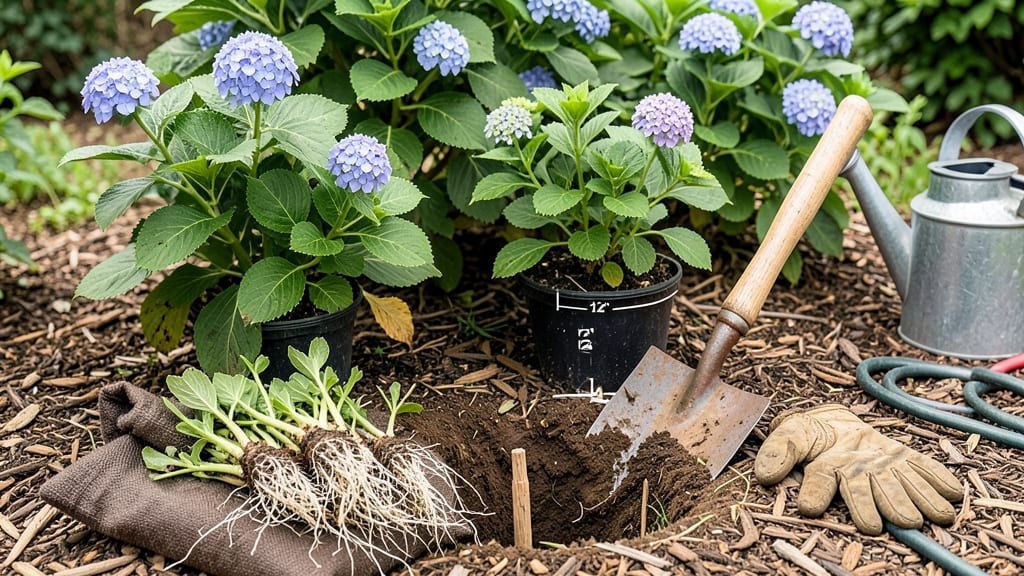
Timing when to plant hydrangeas in Indiana just right isn’t just about avoiding frost—it’s the difference between weak stems and vibrant blooms that last all summer.
With Indiana’s unpredictable spring weather, planting too early risks stunted growth, while waiting too long can leave your shrubs struggling to establish roots before the heat sets in.
Most gardeners in USDA Zone 6a swear by two perfect windows: April to early May (after the last frost) or September to October for fall planting. But here’s the catch—soil temperature matters just as much as calendar dates.
If you plant hydrangeas when the ground is still chilly, their roots won’t take hold, no matter how patient you are.
I’ve tested both spring and fall planting in Indiana’s climate, and the results speak for themselves. The key is giving your hydrangeas 4-6 weeks of frost-free growth to build strong roots before summer’s intensity kicks in.
That means checking local frost dates (usually around April 15) and adjusting your timeline accordingly.
Ready to transform your garden? I’ll walk you through exactly how to time your planting for maximum blooms, plus soil prep tips that work for Indiana’s unique microclimates. Let’s get those hydrangeas thriving!
Indiana’s last frost dates and ideal hydrangea planting windows
Indiana’s USDA Zones 5-6 mean hydrangeas thrive when planted 4-6 weeks before the last frost, giving roots time to establish before summer heat arrives. The average last frost date in most of Indiana falls around April 15, but this can vary by 1-2 weeks depending on your region.
Northern Indiana (e.g., Fort Wayne, Gary) often sees frost lingering until mid-April, while Southern Indiana (e.g., Louisville, Evansville) may warm up by early April. Planting too early risks frost damage, but waiting too long delays root growth, leading to smaller blooms the first year.
Soil temperature is just as critical as air temperature. Hydrangeas need soil to reach at least 50°F (10°C) for optimal root development. Use a soil thermometer to check—planting when soil hits this mark ensures healthy growth.
For spring planting, aim for late April to early May in most of Indiana. This window balances warm soil and stable temperatures, reducing transplant shock. In containers, you can push planting slightly later (up to mid-May) since pots warm faster.
Fall planting is another great option in Indiana. Plant hydrangeas in September or early October, allowing roots to establish before winter dormancy. This method often yields larger blooms the following year because the plant focuses on root growth rather than flowering.
If you’re unsure about frost dates, use the Indiana State Climate Office or local Cooperative Extension Service for hyper-local advice. These resources provide 10-day forecasts and historical data to refine your planting timeline.
| Region | Last Frost Date | Ideal Planting Window | Soil Temp Goal |
|---|---|---|---|
| Northern Indiana (Zones 5) | April 15–22 | Late April–early May | 50°F (10°C) |
| Central Indiana (Zones 5-6) | April 1–15 | Mid-April–late April | 50°F (10°C) |
| Southern Indiana (Zones 6) | March 20–April 5 | Early April–mid-April | 50°F (10°C) |
*Adjust for microclimates near lakes or urban areas—these areas may frost later.
If you’re planting bare-root hydrangeas, soak the roots in water for 2-4 hours before planting to rehydrate them. This step is especially important if you’re planting in dry spring soil, which is common in Indiana’s clay-heavy regions.
For container-grown hydrangeas, remove the plant from its pot and gently loosen the roots if they’re circling. This encourages faster root spread in your garden bed. Water thoroughly after planting to eliminate air pockets and promote root-to-soil contact.
Protect young hydrangeas from late spring frosts with a lightweight frost cloth if temperatures dip below 32°F (0°C). Most Indiana gardeners experience these frosts in May, so keep an eye on the National Weather Service alerts for your area.
Once planted, mulch around the base with 2-3 inches of organic mulch (like shredded bark) to retain moisture and regulate soil temperature. This is especially helpful in Indiana’s hot summers, where mulch keeps roots cool and hydrated.
How to prepare hydrangeas for Indiana’s spring planting: soil, sun, and hardiness tips
Indiana’s clay-heavy soil and humid summers require special prep to ensure hydrangeas thrive. Most varieties, like Bigleaf (Hydrangea macrophylla) and Panicle (Hydrangea paniculata), prefer acidic soil (pH 5.5-6.2). Test your soil with a home pH kit—if it’s alkaline, amend it with sulfur or peat moss before planting.
Hydrangeas need well-draining soil to prevent root rot, especially in Indiana’s wet springs. Mix compost or aged manure into the planting hole to improve drainage and fertility. For container planting, use a lightweight potting mix with perlite or sand to mimic ideal conditions.
✅ DO This for Healthy Hydrangeas
- ✔️ Choose the right spot: Morning sun + afternoon shade prevents leaf scorch in Indiana’s hot summers.
- ✔️ Harden off nursery plants: Acclimate container-grown hydrangeas to outdoor temps over 7-10 days before planting.
- ✔️ Mulch properly: Use 2-3 inches of organic mulch (like pine bark) to retain moisture and regulate soil temp.
- ✔️ Water deeply after planting: Soak the root zone to eliminate air pockets and encourage root spread.
❌ Avoid These Common Mistakes
- ✖️ Planting in full sun: Indiana’s intense afternoon sun can burn leaves and reduce flowering.
- ✖️ Skipping soil amendments: Alkaline soil locks out iron and manganese, causing yellow leaves.
- ✖️ Overwatering: Soggy soil leads to root rot, especially in Indiana’s humid climate.
- ✖️ Planting too deep: Buried stems can strangle the plant and prevent proper growth.
Indiana’s humidity and summer heat can stress hydrangeas if not prepared properly. After planting, water deeply once a week (more in drought conditions) and avoid wetting the foliage to prevent fungal diseases like powdery mildew. A drip irrigation system works best for consistent moisture.
For container-grown hydrangeas, choose pots with drainage holes and use a larger container (at least 15-gallon) for mature plants. Move containers to shadier spots during peak summer heat to protect them from leaf scorch.
If you’re planting hydrangeas in Indiana’s urban areas, be mindful of pollution and compacted soil. Amend the soil with compost and perlite to improve aeration and fertility. Urban gardens also benefit from regular mulching to cool roots during heatwaves.
Finally, protect young hydrangeas from late spring frosts (common in May) with a frost cloth. This simple step ensures your plants focus on root growth rather than stress recovery, leading to bigger blooms next season.