
Light Requirements
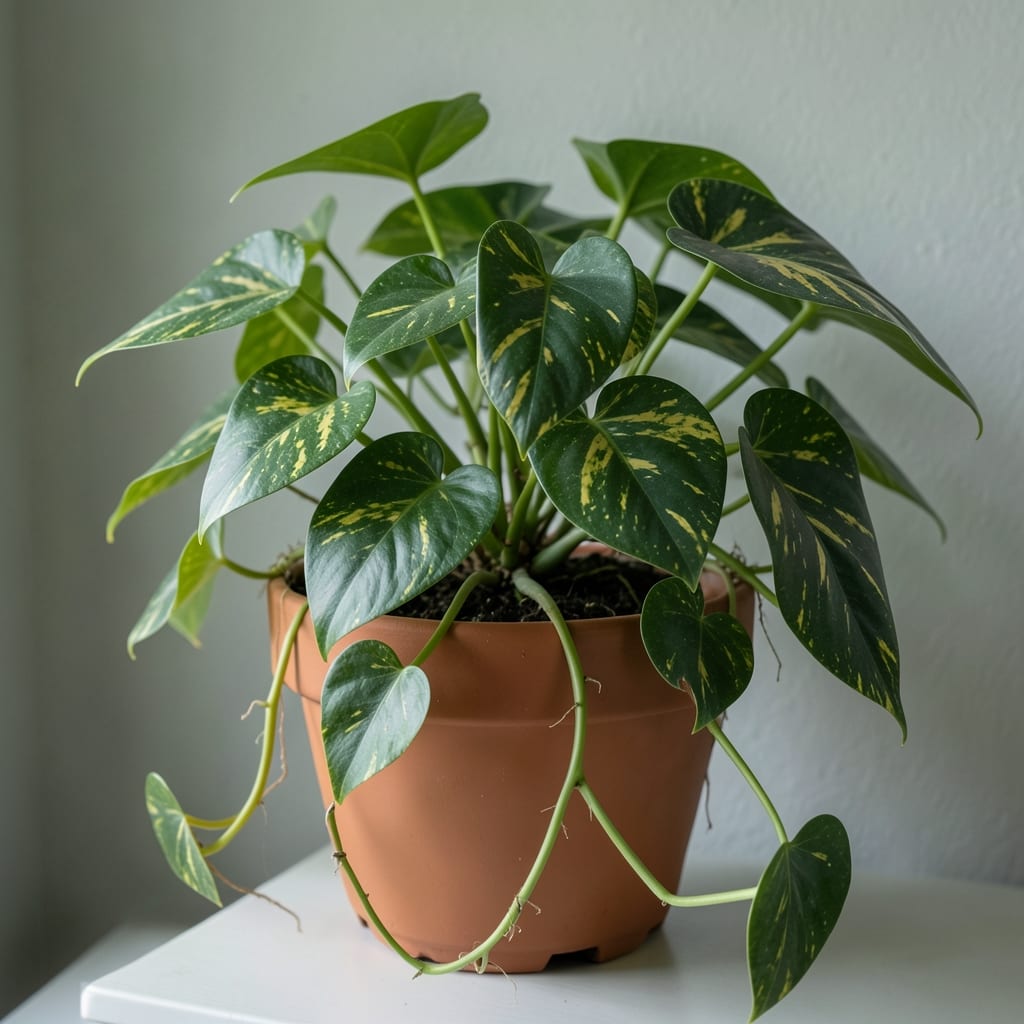
Pothos light requirements: the 3 brightness zones for optimal growth
Pothos plants (Epipremnum aureum) are famous for their adaptability, but even they have limits when it comes to light exposure. Too little light leads to leggy, sparse growth, while too much causes leaf burn. The key is finding the sweet spot—bright, indirect light—that keeps your pothos thriving year-round. Let’s break down the three brightness zones and what each means for your plant’s health.
Most pothos owners assume their plant can survive in any dim corner, but that’s a myth. Even though pothos tolerates low light, it won’t reach its full potential without the right conditions. Think of light like food for your plant—just enough to fuel growth, but not so much it causes stress. Golden Pothos and Marble Queen varieties, for example, show dramatic differences in leaf color and size depending on their light exposure.
Here’s the truth: Pothos plants thrive in bright, indirect light, which translates to 2-4 hours of filtered sunlight daily. This could mean placing them near an east-facing window (gentle morning sun) or a few feet away from a south-facing window (to avoid harsh afternoon rays). The goal is to mimic the dappled light they’d get under a tropical forest canopy.
If you’re unsure about your home’s light conditions, don’t worry—I’ll help you identify them. Start by observing your pothos’ leaves: healthy variegation (white/yellow patterns) means it’s happy, while all-green leaves signal it needs more light. Conversely, brown or crispy edges mean it’s getting too much direct sun. These visual cues are your plant’s way of communicating!
The medium light zone is where your pothos will shine—literally! In this range, you’ll see rich variegation, faster growth, and leaves that stay a healthy size. For example, a Golden Pothos in medium light will have vibrant yellow streaks, while a Marble Queen will maintain its striking white patterns. This zone is ideal for most home settings, especially if you’re using artificial light supplements.
Pro tip: If your pothos starts looking leggy (long stems with sparse leaves), it’s begging for more light. Simply rotating the pot quarter-turns every 2 weeks ensures even exposure and prevents lopsided growth. For variegated varieties, this rotation also helps maintain those beautiful patterns by preventing one side from getting all the light.
On the flip side, if your pothos develops brown patches or crispy edges, it’s a clear sign of too much direct sunlight. This often happens when plants are placed near south-facing windows without any filter. A quick fix? Move it a few feet back or drape a sheer curtain over the window to diffuse the light. Think of it like wearing sunscreen—your pothos needs protection too!
One common misconception is that pothos can thrive in complete darkness. While they’re more tolerant than many plants, they won’t survive long-term in a closet or basement. Even artificial grow lights (like LED bulbs) are better than nothing. If you’re working with limited natural light, aim for 12-14 hours of artificial light daily to keep your pothos content. Just avoid cool white bulbs, as they can stress the plant—opt for full-spectrum LEDs instead.
Remember, every home’s light is unique. Test your space by placing a white piece of paper near your pothos for an hour. If the paper stays bright, you’ve got good indirect light. If it’s dim, your pothos needs a brighter spot or supplemental lighting. This simple trick saves you from guessing—and keeps your plant happy!
Now that you know the three brightness zones, you’re ready to give your pothos the perfect light conditions. Next, we’ll dive into how to adjust your plant’s exposure if it’s already struggling—whether it’s fixing leggy growth or reviving burnt leaves. Stay tuned!
How to adjust your pothos light exposure for maximum health
If your pothos is already struggling with leggy growth or burnt leaves, don’t panic—adjusting its light exposure can bring it back to life. The first step is identifying whether your plant needs more light or less direct sun. Look for yellowing leaves (underwatering or too much light) or brown crispy edges (sunburn). Once you spot the issue, you can take targeted action to revive your pothos.
For leggy pothos (long stems with sparse leaves), the fix is simple: move it closer to a bright, indirect light source. A north-facing window or an east-facing window is ideal, but avoid placing it directly in the path of harsh afternoon sun. If natural light is limited, consider a grow light placed 12-18 inches above the plant. A full-spectrum LED bulb (6,500K color temperature) mimics natural sunlight and encourages compact, bushy growth.
Here’s a quick fix for burnt leaves: immediately move your pothos away from direct sunlight. South-facing windows are often the culprit, so relocate your plant a few feet back or add a sheer curtain to diffuse the light. If the damage is severe, trim the affected leaves with clean pruning shears—your pothos will regrow healthy foliage in no time. Think of it like giving your plant a cool, shady spot to recover.
Placing your pothos in direct midday sun (10 AM–4 PM) will cause irreversible damage. Even a few hours of unfiltered sunlight can lead to leaf scorch. If you’re unsure about your window’s intensity, test it with a white piece of paper—if it stays bright after an hour, the light is too harsh.
If your home lacks natural light, grow lights are a game-changer. Aim for 12-14 hours of artificial light daily to compensate for low-light conditions. Hang the light 12-18 inches above the plant and adjust the height as it grows—closer for seedlings, farther for mature vines. Avoid cool white bulbs, as their blue spectrum can stress pothos. Instead, opt for warm white or full-spectrum LEDs to mimic natural light.
Another pro tip: Rotate your pothos every 2 weeks to ensure even growth. Plants naturally lean toward light sources, so turning the pot quarter-turns keeps stems straight and leaves evenly colored. This is especially important for variegated varieties like Marble Queen, where uneven light exposure can dull their striking patterns. A little rotation goes a long way in maintaining your pothos’ aesthetic appeal!
Finally, if you’re still unsure about your pothos’ light needs, try the shadow test. Place your plant in a spot for a week and observe its leaves. If they stay green and glossy, you’ve found the perfect balance. If they turn dull or yellow, it’s time to adjust. Remember, pothos are resilient—they’ll bounce back with the right care, and soon you’ll have a lush, vibrant vine that’s the envy of every plant lover!
Now that you know how to fix light-related issues, let’s tackle the 5 most common mistakes that silently kill pothos—and how to avoid them. Stay tuned for the next section to keep your plant thriving for years to come! 🌿