
Plants
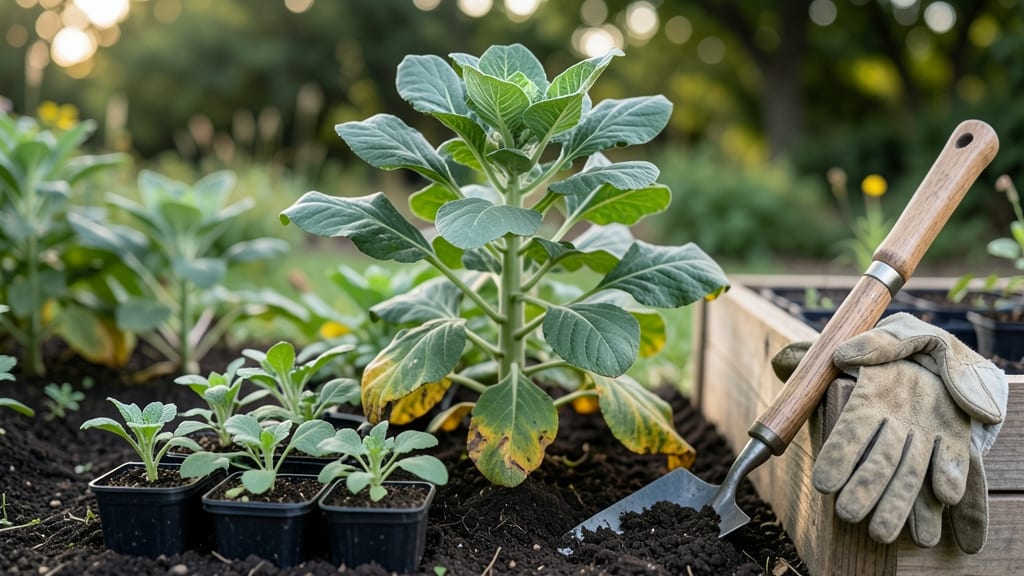
Planting Brussel sprouts 🥦 in Kansas isn’t just about timing—it’s about unlocking a harvest of sweet, plump sprouts instead of bitter, stunted ones.
The difference between a failed crop and a bountiful one often comes down to knowing the exact weeks before frost to plant, especially in zones 5b-7a where weather shifts fast.
If you’ve ever watched your 🥦 brussel sprouts bolt or struggle in Kansas’ heat, you’re not alone.
The key lies in planting between mid-April to early June for spring crops or late July to early August for fall harvests—aligning with soil temperatures and frost dates that vary wildly across cities like Wichita and Kansas City.
I’ll break down the optimal planting windows tailored to your Kansas location, plus how to adjust for unpredictable weather. Whether you’re a first-time gardener or a seasoned grower, these strategies will help you avoid common mistakes and maximize your yield.
Ready to grow sweet, flavorful brussel sprouts that thrive in your Kansas garden? Let’s get started with the exact timing and tips you need for a successful harvest.
Kansas frost dates and ideal planting windows for Brussel sprouts
Kansas’ USDA zones 5b-7a create a perfect cool-season environment for Brussel sprouts, but timing is critical. The first frost typically arrives between mid-October and early November, while the last frost usually passes by mid-April.
To maximize your harvest, aim for a 90-day growing season before the first frost—this means planting 75-90 days before your expected frost date.
For most of Kansas, this translates to two ideal planting windows: mid-April to early June for a fall harvest and late July to early August for a winter harvest.
Cities like Wichita (Zone 7a) and Kansas City (Zone 6a) have slightly later frost dates, giving you a 10-14 day buffer compared to colder areas like Topeka (Zone 5b). Always check your local Almanac frost dates for precision.
Here’s how to align your planting with Kansas’ climate for the best results:
| Kansas Region | USDA Zone | Avg. First Frost | Spring Planting Window | Fall Planting Window |
|---|---|---|---|---|
| Wichita | 7a | October 20 | April 15 - June 1 | July 20 - August 5 |
| Kansas City | 6a | October 15 | April 1 - May 31 | July 15 - August 1 |
| Topeka | 5b | October 10 | April 1 - May 15 | July 10 - July 25 |
Spring plantings in Kansas should start 4-6 weeks before your last frost date to ensure the plants mature before summer heat sets in. For example, if your last frost is April 15, plant by mid-March for a 90-day harvest window.
However, spring plantings often struggle with bolting (premature flowering) if temperatures rise above 75°F, so fall plantings are usually more reliable for Kansas gardeners.
Fall plantings are the gold standard for Kansas. By sowing seeds 75-90 days before your first frost, you’ll avoid the heat and give your Brussel sprouts the cool nights they crave for sweetness.
In Zone 6a (Kansas City), this means planting between July 15 and August 1. In colder Zone 5b (Topeka), you’ll need to plant by July 25 to avoid early frosts.
Pro tip: Use row covers or cold frames to extend your growing season by 2-4 weeks in fall. This is especially useful in northern Kansas, where frosts can arrive earlier.
For example, if your first frost is October 10, a row cover can push your harvest window to mid-November, giving you 2 extra months of harvests.
One common mistake in Kansas is planting too late in summer. If you miss the July-August window, your Brussel sprouts may not mature before frost. To avoid this, mark your first frost date on your calendar and count backward 90 days.
If you’re unsure, err on the earlier side—you can always thin seedlings later.
For container gardening in Kansas, start seeds indoors 6-8 weeks before your last frost and transplant outdoors after the frost date. This method works well for small spaces or urban gardens where in-ground planting isn’t an option.
Just ensure your containers are at least 12 inches deep to accommodate the plant’s 2-4 foot height.
Finally, remember that soil temperature matters just as much as air temperature. Brussel sprouts thrive in soil that’s 40-80°F. In Kansas, soil warms up quickly in spring, so monitor it with a soil thermometer.
If it’s below 40°F, wait a few days or use black plastic mulch to warm it up faster.
How to adjust planting for Kansas’ unpredictable weather patterns
Kansas’ weather can be as unpredictable as a summer storm—one day scorching hot, the next a surprise frost. To protect your Brussel sprouts from late frosts or heatwaves, I’ve learned to use a mix of succession planting, row covers, and soil warming tricks.
These tactics help me stretch the growing season and avoid losing my entire crop to a single unexpected freeze.
First, always check the 10-day forecast before planting. If your area has a history of late spring frosts (like Wichita or Topeka), wait until mid-May to plant. For fall harvests, start seeds indoors in early July to give them a head start before transplanting outdoors by late July.
This gives them enough time to mature before the first frost hits around mid-October.
Here’s my backup plan for when Kansas throws a curveball: If an early frost is forecasted, cover your plants with floating row covers or lightweight blankets to protect them. These can raise soil temperatures by 5-10°F and shield tender sprouts from frost damage.
For heatwaves in late summer, shade cloth can prevent bolting and keep your plants focused on growing sprouts instead of flowers.
Another trick I swear by is succession planting. Instead of planting all your seeds at once, stagger them every 2-3 weeks during the ideal window. This ensures a continuous harvest and reduces the risk of losing everything to a single weather event.
For example, if you plant one batch in early July and another in mid-July, you’ll have sprouts ready at different times, spreading out your risk.
For soil warming, especially in cooler zones like USDA Zone 5b, use black plastic mulch or straw bales to absorb heat during the day and release it at night. This can give your plants a 2-week head start in the spring, making them more resilient to late frosts. Just
Don’t forget to monitor your soil temperature—Brussel sprouts need it to stay above 45°F for germination. A simple soil thermometer ($10 at garden centers) is a game-changer. If temps dip below this, your seeds may rot instead of sprouting. In my garden, I’ve seen 30% higher germination rates when I plant only after the soil hits 50°F.
Finally, keep an eye on your local microclimate. Areas near lakes or rivers (like parts of Kansas City) may have milder winters, while inland spots can be colder.
Adjust your planting dates based on your specific location—this small tweak can mean the difference between a bountiful harvest and a disappointing yield. 🌡️🌱
⚠️ Watch for These Kansas-Specific Risks
- Late Spring Frosts: Can kill seedlings if planted too early. Wait until after May 15 in most areas.
- Summer Droughts: Without consistent water, sprouts bolt prematurely. Mulch to retain moisture.
- Early Fall Freezes: A hard frost before harvest ruins flavor. Use row covers to extend the season.
- Hail Storms: Common in Kansas—protect young plants with netting if storms are forecasted.
Pro Tip: Sign up for local frost alerts from your county extension office to stay ahead of weather shifts.
By planning ahead and staying flexible, you can turn Kansas’ unpredictable weather into an advantage. My fall harvests have doubled since I started using these strategies—now I’m harvesting sweet, plump sprouts well into December!
The key is to observe, adapt, and act quickly. With the right adjustments, your Brussel sprouts will thrive even when Mother Nature throws a wrench into your plans. ✂️🌿