
Plants
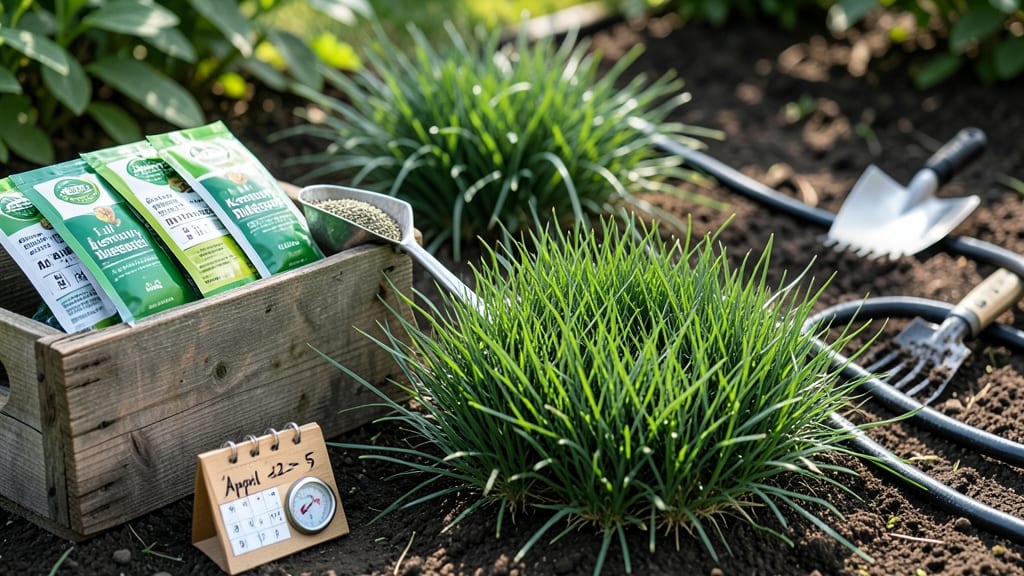
Timing your grass seed planting in Missouri in spring can mean the difference between a lush, green lawn and a patchy, frost-burned mess. Missouri’s unpredictable weather—especially in USDA zones 5b-7a—makes getting it right tricky.
Plant too early, and a late frost could wipe out your efforts. Wait too long, and you might miss the sweet spot for strong root establishment before summer heat sets in.
I’ve spent years tracking Missouri’s frost patterns and soil temperatures, and the ideal window is narrower than most gardeners realize. Whether you’re in St. Louis, Kansas City, or the Ozarks, knowing the exact week-by-week timeline—based on local climate data—can save you from costly mistakes.
Let’s break down the science behind the perfect planting dates so you can avoid frost damage and give your lawn the best possible start.
Here’s the game-changer: most Missouri lawns thrive when seeded 4-6 weeks before the last average frost date—typically between mid-March and early April, depending on your region. But soil temperature matters just as much as the calendar.
Cold soil can delay germination, while warm, damp conditions create the perfect environment for your 🌱 grass seed to take root quickly. I’ll show you how to check soil temps and adjust your schedule for maximum success.
Ready to transform your yard? Stick around—I’ll walk you through preparation steps, post-planting care, and even how to extend your planting window if spring decides to play hard to get. No more guessing games, just a foolproof plan tailored to Missouri’s climate.
Missouri’s exact spring grass-seeding timeline by region (avoid frost damage)
Missouri’s spring weather swings wildly—one day 60°F and sunny, the next 32°F with frost. Timing your grass seed perfectly means avoiding frost damage while catching soil warmth for germination.
The ideal window? 4-6 weeks before your last frost date, but Missouri’s regions vary. Let’s break it down by area so you don’t gamble with your lawn.
First, check your USDA Zone (5b-7a). Northern Missouri (like St. Louis) has later frost dates than southern areas (like Columbia or the Ozarks). Even a 10-day difference can mean success or failure for your seed.
Use this timeline to align your planting with soil temps and frost risk—not guesswork.
Here’s how Missouri’s regions stack up for spring planting:
Pro tip: Use a soil thermometer to confirm temps. Seedlings need consistent warmth—if nights dip below 40°F, cover with row fabric until danger of frost passes. Cool-season grasses (like Kentucky Bluegrass) prefer 50–65°F soil, while warm-season types (like Tall Fescue) wait for 60°F+.
Missouri’s rainfall patterns also play a role. Early spring can be dry, so pre-water your soil 2–3 days before planting to create a moist seedbed. Aim for 1 inch of water weekly after seeding—more if your area faces drought alerts.
A sprinkler timer set to morning watering prevents fungal risks from evening moisture.
Don’t overlook overseeding if you missed the spring window. Late summer (August) is your second chance for cool-season grasses, but warm-season types must wait until late spring or early summer.
For example, Zoysia grass in southern Missouri can handle June planting, but northern areas should stick to May at the latest.
Here’s a quick
5 Critical factors that determine your perfect planting date in Missouri
Timing your grass seed in Missouri isn’t just about calendar dates—it’s a science of balance between soil temperature, frost risk, and grass type. One wrong move, and you’ll either waste seed on frost-killed sprouts or struggle with summer heat stress.
Let’s dive into the 5 non-negotiable factors that separate a thriving lawn from a disaster.
First, soil temperature is your #1 priority. Grass seeds need consistent warmth to germinate—cool-season grasses (like Tall Fescue) sprout best at 50–65°F, while warm-season types (like Bermuda) wait for 60°F+.
Use a soil thermometer ($10 at garden centers) to check 2–3 inches deep—this is where roots will grow. If temps dip below 40°F at night, cover seedlings with frost cloth until stable warmth arrives.
Here’s how these factors break down for Missouri gardeners:
- 1 Soil Temperature: 50–65°F for cool-season, 60°F+ for warm-season. Test with a thermometer!
- 2 Last Frost Date: 4–6 weeks before (e.g., March 15 for southern MO, April 15 for northern). Check Almanac or local ag extension for updates.
- 3 Grass Type: Cool-season (Kentucky Bluegrass) = early spring; warm-season (Zoysia) = late spring. Mixing types? Overseed in fall instead.
- 4 Rainfall Patterns: Missouri’s April showers help, but drought risk spikes in May. Pre-water soil 2–3 days before planting to lock in moisture.
- 5 Sunlight Exposure: 6+ hours of sun daily. Shady spots? Choose Fine Fescue—it tolerates partial shade better than Kentucky Bluegrass.
Missouri’s rainfall unpredictability is a wildcard. Early spring often brings consistent moisture, but by late May, drought warnings can appear. If your area faces water restrictions, shift to drought-tolerant grasses like Buffalo Grass or schedule deep watering (1 inch weekly) with a sprinkler timer.
Pro tip: Water early morning to reduce fungal diseases—evening moisture traps dampness, inviting lawn mold.
Your grass type dictates your deadline. Cool-season grasses (Kentucky Bluegrass, Ryegrass) are spring specialists—plant them too late, and they’ll struggle in summer heat. Warm-season types (Bermuda, Zoysia) can wait until late spring, but they’ll brown in frost, so avoid fall planting unless you’re overseeding. Mixing types? Stick to one season’s window—don’t try to force both into the same lawn.
Finally, don’t ignore microclimates. A south-facing slope warms faster than a north-facing yard, and urban areas (like St. Louis) stay 5–10°F warmer than rural zones. Test your spot: Place a thermometer in full sun and shade for 24 hours.
If temps vary by 10°F+, adjust your planting date 1–2 weeks earlier for sunniest areas.
Missed the spring window? Don’t panic. Late summer (August) is your second chance for cool-season grasses, while warm-season types can handle June planting in southern Missouri. Just double watering and use mulch to retain moisture—your lawn can still thrive with the right adjustments. 🌱