
Plants
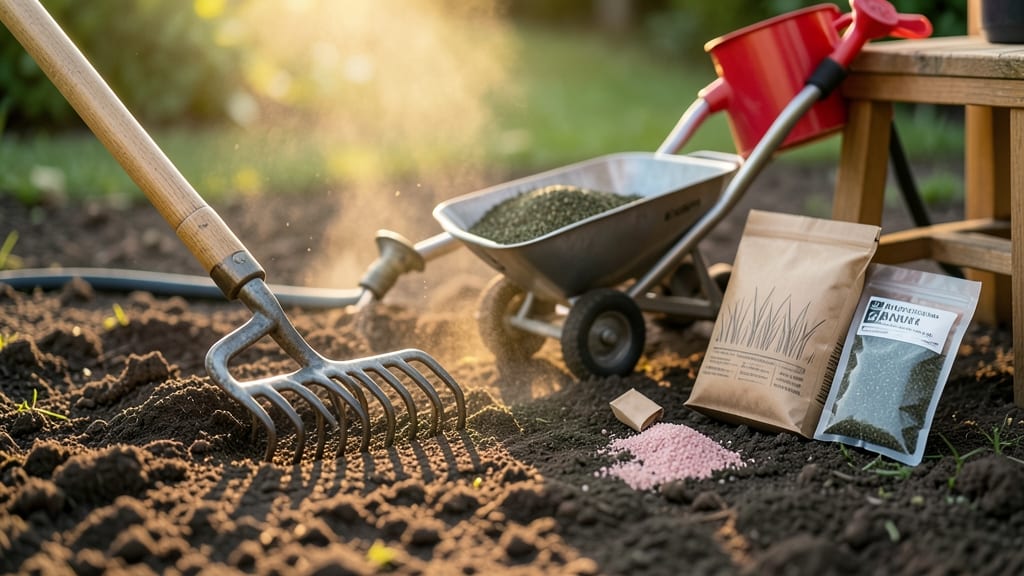
When to plant new grass seed in spring can make or break your lawn—getting it wrong leads to thin patches, weed invasions, or wasted seed, while perfect timing guarantees a lush, fast-growing yard that outshines your neighbors' by summer. With USDA Zone 6a as our baseline, the ideal window opens 4-6 weeks before your last frost date, typically around mid-April for most regions.
Why does this timing matter so much? Grass seed needs consistent soil temperatures between 50-65°F to germinate properly, and planting too early risks frost damage while waiting too long lets weeds steal the show.
I’ll break down exactly how to calculate your perfect planting window based on local frost dates and soil conditions.
Beyond timing, choosing the right grass seed variety makes all the difference—cool-season grasses like Kentucky bluegrass thrive in spring, while warm-season types need summer planting. Let’s dive into the science behind soil temps, regional adjustments, and the 3-step prep that ensures your new lawn takes off without a hitch.
Whether you’re seeding a small patch or overhauling your entire yard, these strategies will help you avoid common mistakes and get that thick, vibrant green coverage you’ve been dreaming of. Ready to transform your lawn? Let’s get started.
The exact soil temperature & frost-free formula for planting grass seed in spring
Planting grass seed in spring requires more than just picking a date—it’s about soil temperature, frost-free windows, and regional adjustments. The best time to plant is when soil temps hit 50-65°F, ensuring seeds germinate quickly without risking frost damage.
This science-backed approach guarantees thick, fast-growing grass that outcompetes weeds.
Most gardeners make the mistake of planting too early when soil is still cold or too late when summer heat arrives. Cool-season grasses like Kentucky bluegrass and fescue thrive in 50-60°F soil, while warm-season types like Bermuda need 65-75°F.
Ignoring these temps often leads to slow germination or seed rot.
To test soil temperature, use a soil thermometer (insert 2-4 inches deep). If temps fluctuate below 50°F at night, wait. In USDA Zones 3-5, aim for late April to early May, while Zones 6-8 can start as early as March.
Always calculate your last frost date—planting 4-6 weeks before ensures seedlings survive unexpected cold snaps.
Here’s the frost-free formula I follow: Subtract 30 days from your last frost date, then add 10 days for soil to warm. For example, if frost ends April 15, plant by March 25. This buffer accounts for late frosts and cool soils.
Regional tweaks matter. In the Northeast, early spring planting risks frost, so I opt for late April. In the South, March is ideal, but I avoid June planting—summer heat stresses seedlings. Always check your local cooperative extension service for hyper-local advice.
| Factor | Ideal Range | Action |
|---|---|---|
| Soil Temperature | 50-65°F | Use thermometer; wait if below 50°F |
| Frost-Free Window | 4-6 weeks before last frost | Check almanac; add 10-day buffer |
| Cool-Season Grasses | 50-60°F soil | Plant early spring (March-April) |
| Warm-Season Grasses | 65-75°F soil | Plant late spring (May-June) |
| Regional Adjustments | Northeast: Late April; South: March | Avoid summer planting; prioritize soil warmth |
Preparing your soil is just as critical as timing. Start by removing debris and leveling the area—uneven ground leads to thin patches. Loosen the top 2-3 inches of soil with a rake or aerator to improve seed-to-soil contact.
A quick pH test ensures your soil is 6.0-7.0; amend with lime or sulfur if needed.
After planting, cover seeds with ¼ inch of soil and apply a thin layer of starter fertilizer (high in phosphorus). This boosts root growth and helps seedlings outcompete weeds. Water lightly but frequently—keep the soil consistently moist (not soggy) for the first 2-3 weeks.
One of my biggest lessons? Don’t rush. Waiting for ideal conditions—even if it means delaying by a week—saves time and money in the long run. A well-timed spring planting leads to thick, weed-free grass by summer, while poor timing often means replanting or patchy lawns.
Pro tip: Mark your calendar with the soil temperature and frost-free date from your local weather service. Set reminders to test soil temps weekly in spring. This data-driven approach eliminates guesswork and sets you up for a lush lawn in just 6-8 weeks. 🌱
The exact soil temperature & frost-free formula for planting grass seed in spring
Spring grass seeding success starts with understanding your soil temperature—not the air temperature. Grass seeds need consistently warm soil (50-65°F) to germinate properly. If you plant too early when soil is still cold, seeds will rot instead of sprout, leading to wasted money and patchy lawns.
Most gardeners make the mistake of relying on last frost dates alone, but soil warms up slower than air. For example, in USDA Zone 6, your last frost might be April 15, but soil may not reach 50°F until mid-to-late May.
Always test your soil with a soil thermometer—it’s the only way to know for sure.
🌱 Did You Know?
Soil Temperature Rules for Spring Grass Seed
| Condition | Specification |
|---|---|
| Ideal Soil Temp | 50-65°F (10-18°C) |
| Minimum for Germination | 45°F (7°C) for cool-season grasses |
| Danger Zone | Below 40°F (4°C) or above 80°F (27°C) |
| Best Time to Plant | 4-6 weeks before last frost (adjust for soil temp) |
To calculate your frost-free window, subtract 6 weeks from your average last frost date. For example, if your last frost is May 10, aim to plant by mid-to-late March—but only if your soil is already at 50°F or warmer.
If not, wait until soil warms up, even if it means seeding in early April.
Regional adjustments matter! In warmer southern zones (7-10), soil warms faster, so you can plant as early as February. In cooler northern zones (3-5), wait until late April or May—planting too early risks frost damage. Always check local agricultural extension service guidelines for your specific zone.
Once your soil hits the sweet spot (55-60°F), act fast! Grass seeds germinate in 7-21 days, but weeds will sprout just as quickly. Keep your soil moist but not soggy and protect new seedlings from birds and pests with a lightweight straw mulch layer.
Pro tip: If you’re unsure about soil temperature, try the "back of the hand test". Press your hand against the soil for 5 seconds—if it feels warm but not hot, it’s likely in the ideal range for seeding.
Combine this with your soil thermometer for the most accurate results.