
Lawn
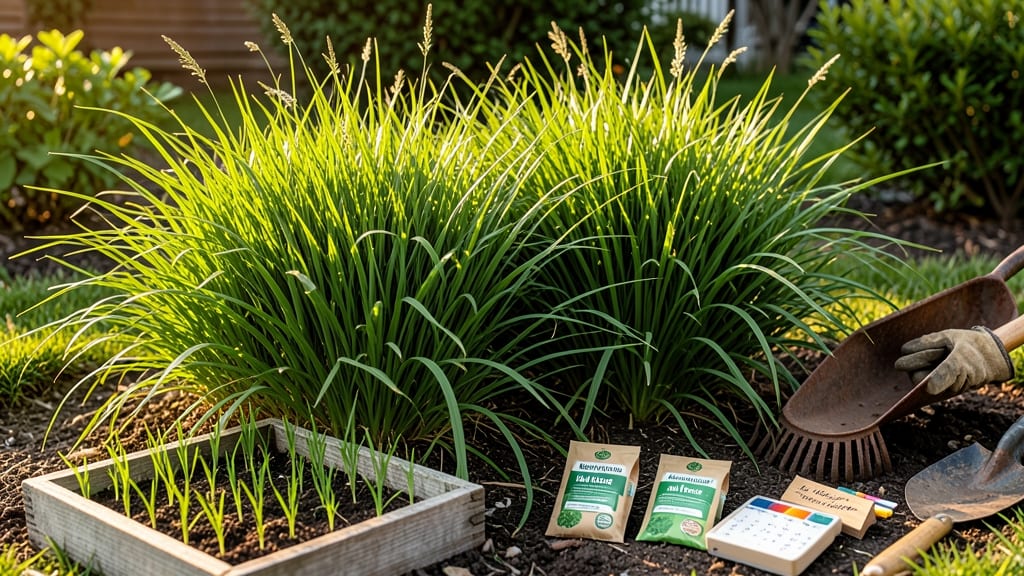
Timing your grass seed planting in Kentucky right can make or break your lawn's success—especially in zones 6a-7a where weather shifts quickly. Skip the guesswork and plant when soil temps hit 60-75°F, and you'll see faster germination and fewer weeds.
Most Kentucky gardeners swear by early fall (late August to early September) as the best window—cooler air and consistent rain help seeds take root before winter.
But spring (after your last frost, around mid-April) is a solid backup. The key? Avoid summer heat, which dries out seeds before they sprout.
We’ve learned the hard way that planting too early or late leads to patchy lawns—or worse, wasted seed. Whether you’re seeding a new yard or repairing bare spots, this guide gives you the exact deadlines for your region’s climate. Let’s get that 🌱 growing strong.
Ready to skip the trial-and-error? I’ll walk you through soil prep, seed choices, and even how to adjust for Kentucky’s humidity. Your dream lawn starts with the right timing—let’s make it happen.
Best months to plant grass seed in Kentucky by climate zone
Kentucky’s diverse climate—spanning USDA Zones 6a-7a—means planting times vary slightly between Northern and Southern regions. But don’t stress: early fall and late spring are the gold-standard windows for 90% of Kentucky lawns.
These periods offer ideal soil temperatures (60-75°F), consistent moisture, and fewer weeds than summer. Let’s break it down by zone and season.
For Northern Kentucky (Zone 6a), where frosts linger later, aim to plant between late April and early May in spring, or mid-September to early October in fall.
Southern Kentucky (Zone 7a) can push planting slightly later—early May to late May in spring and late September to early November in fall—thanks to milder winters. Summer planting is possible but risky due to heat stress and drought, unless you’re using shade-tolerant varieties like Fine Fescue.
Here’s the critical rule: Never plant when soil temps exceed 85°F or drop below 50°F. Use a soil thermometer (just $15 at garden centers) to check—shoot for 60-75°F at a 4-inch depth.
Pro tip: Morning is the best time to test; soil cools overnight and gives you the most accurate reading.
Why does timing matter so much? Grass seed needs consistent moisture to germinate, and Kentucky’s hot, dry summers and freezing winters can sabotage your efforts. Planting in fall gives seedlings a head start before winter, while spring planting avoids competing with summer weeds.
Even a 2-week delay can reduce germination rates by 30%.
Let’s compare the two best seasons side by side—so you can pick what works for your schedule and lawn goals.
Now, let’s talk microclimates. Kentucky’s geography creates pockets where conditions differ dramatically—even within a 20-mile radius. For example, Bluegrass Region (Northern KY) has cooler, wetter springs, while Pennyroyal Plateau (Southern KY) bakes faster in summer.
If you’re in a valley, frost arrives 2-3 weeks earlier than on hilltops. Use your local Cooperative Extension Service (like UK Extension) to check last frost dates for your exact ZIP code.
One mistake I see often? Planting too early in spring when soil is still cold. Test your soil with a moisture meter—if it’s below 50°F, wait.
Conversely, late summer planting (August) can work if you’re using cool-season grasses like Tall Fescue, but you’ll need to water daily until germination. For warm-season grasses like Bermuda, wait until mid-May to avoid heat shock.
Remember: Kentucky’s humidity is your friend in fall but your enemy in summer. Fall-planted seed benefits from
Key factors that determine Kentucky grass seed planting success
Timing your grass seed planting in Kentucky isn't just about picking a month—it's about understanding how soil temperatures, rainfall patterns, and local microclimates interact.
For example, Northern Kentucky's cooler climate differs from Southern Kentucky's warmer zones, and even microclimates like Bluegrass vs. Pennyroyal regions can shift ideal planting windows by weeks.
One of the biggest mistakes I see is ignoring soil temperature thresholds. Grass seed germinates best when soil is between 60-75°F. In Kentucky, this typically means waiting until late April for spring plantings or aiming for early October for fall.
Using a soil thermometer (just $10 at garden centers) can save you from planting too early and watching seeds rot.
Another critical factor is rainfall forecasts. Kentucky's unpredictable weather means droughts or downpours can derail germination. Check the National Weather Service for your county's 10-day outlook before planting.
If heavy rain is forecasted within 48 hours, delay seeding to avoid washing seeds away or creating muddy conditions that smother them.
Don't overlook sunlight exposure either. Most Kentucky lawns thrive with 6+ hours of direct sun daily, but shade from trees or buildings can create microclimates where cool-season grasses like Kentucky Bluegrass struggle.
If your yard has partial shade, consider shade-tolerant varieties like Fine Fescue instead of forcing a full-sun grass to grow.
🌱 Critical Success Factors for Kentucky Grass Seed
| Factor | Kentucky Ideal Range | Pro Tip |
|---|---|---|
| Soil Temperature | 60-75°F | Test with a soil thermometer before planting |
| Rainfall Timing | Consistent moisture for 2 weeks | Water lightly daily if natural rain is scarce |
| Sunlight Exposure | 6+ hours direct sun | Adjust seed mix for shaded areas |
| Microclimate | Bluegrass vs. Pennyroyal regions | Local nurseries know best varieties for your area |
Even in Kentucky's humid climate, air circulation matters. Compacted soil or thick thatch can smother new seedlings. Before planting, loosen the top 2-3 inches of soil with a garden rake or aerator.
This improves root penetration and helps water reach the seeds. In my experience, skipping this step can reduce germination rates by up to 30%.
Finally, consider your grass seed variety. Cool-season grasses like Tall Fescue and Kentucky Bluegrass dominate Kentucky lawns, but each has different ideal planting times. Tall Fescue handles heat better and can be planted slightly later in spring, while Bluegrass prefers cooler temperatures.
Mixing varieties can extend your planting window and improve lawn resilience.
By paying attention to these key factors—especially soil temperature and microclimate conditions—you'll give your Kentucky lawn the best possible start. The right timing isn't just about when you plant; it's about setting up your grass for long-term success in our unique climate. 🌿