
Flowers
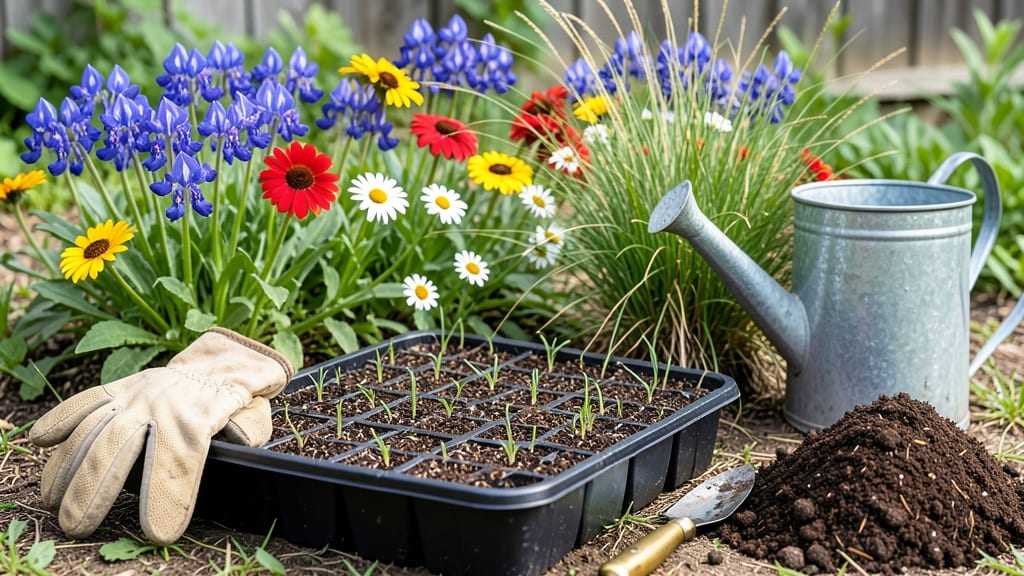
Timing your flower planting in San Antonio isn't just about throwing seeds in the ground—it's about beating the heat, avoiding frost surprises, and picking the perfect moment for vibrant blooms all year.
With USDA Zone 8b's mild winters and scorching summers, getting the schedule right means the difference between a thriving garden and a wilting disappointment.
Most gardeners here know fall is the golden window—September through November—when temperatures cool just enough for seeds and transplants to take root without heat stress. But did you know spring also offers a zero-frost risk period starting in February?
The key is understanding how to work with San Antonio's unique climate, where last frost dates can shift and summer heat arrives early.
I'll walk you through the exact months to plant everything from drought-resistant perennials to heat-loving annuals, plus how to extend your blooming season with smart fall strategies. Whether you're a first-time gardener or a seasoned pro, these localized tips will help you grow flowers that thrive despite San Antonio's challenges.
Ready to transform your yard into a year-round floral paradise? Let's dive into the best planting calendar for your region—no guesswork, just proven results. Your garden's next masterpiece starts with the right timing.
San Antonio’s frost-free planting windows: exact months for zero risk
San Antonio’s USDA Zone 8b climate means we enjoy 240 frost-free days annually, but timing is everything to avoid late frosts or summer heat stress. The last average frost date occurs around January 15, while the first frost typically arrives by December 15.
This gives us two prime planting windows: fall (September–November) and spring (February–March). Fall planting is my top recommendation—it lets flowers establish roots before winter while avoiding summer’s brutal heat.
For annual flowers, aim to plant 6–8 weeks before the first frost (late October for most varieties). This timing ensures blooms before winter sets in. Perennials, however, thrive when planted in early fall (September) or late winter (February), giving them time to adapt before extreme temperatures hit.
Bulbs like daffodils or tulips should go in the ground by November to naturalize and bloom early next spring.
Here’s the golden rule: Never plant tender annuals after May 1. By then, San Antonio’s 90°F+ temperatures can shock young seedlings. Instead, opt for heat-loving varieties like lantana or blackfoot daisy, which thrive in summer’s intensity.
If you’re impatient for color, late summer (August) is a great time to sow fast-growing cosmos or zinnia seeds—they’ll bloom by fall.
🌱 Pro Tip: Check the National Weather Service’s San Antonio forecasts for real-time updates on frost risks. Even in Zone 8b, unpredictable cold snaps can occur, especially in elevated areas like the Hill Country outskirts.
| Planting Window | Best For | Key Months | Avoid Planting After |
|---|---|---|---|
| Early Fall | Perennials, Bulbs, Fall-Blooming Annuals | September–October | November 15 (risk of early frost) |
| Late Winter | Spring Annuals, Tender Perennials | February–March | April 15 (heat stress risk) |
| Late Summer | Fast-Blooming Annuals (Cosmos, Zinnias) | August | September 1 (limited bloom time) |
| Year-Round | Drought-Tolerant Perennials (Lantana, Yucca) | Anytime (established plants) | N/A (native adaptability) |
If you’re planting seeds instead of transplants, start indoors in late winter (January) for spring blooms or direct-sow in August for fall color. Seed packets often list days to germination—use this to calculate your timeline.
For example, marigolds sprout in 5–10 days, while snapdragons take 10–15 days. Adjust your schedule if you’re using slow-release fertilizers or organic compost, which can speed up growth.
For container gardening, the rules shift slightly. Pots heat up faster, so plant shade-tolerant varieties like impatiens or begonias in partial shade during summer.
Move containers to morning sun only in peak heat (June–August) to prevent wilting. Self-watering pots are a game-changer in San Antonio’s dry climate—they reduce the risk of root rot from inconsistent watering.
🌡️ Watch the Weather: A 3-day forecast of consistent temps above 75°F is your green light for planting heat-lovers like portulaca or sunflowers. Conversely, wait until soil temps drop below 80°F (check with a soil thermometer) before planting cool-season flowers like pansies or sweet alyssum.
Mulching is non-negotiable in San Antonio. Apply 2–3 inches of mulch (straw or shredded bark) around plants to lock in moisture and regulate soil temperature.
This is especially critical for newly planted perennials, which need consistent moisture to establish roots. Organic mulches also improve soil over time by adding nutrients—just avoid piling mulch against plant stems to prevent rot.
Finally, don’t overlook microclimates. Areas near buildings or stone walls stay warmer and are ideal for heat-sensitive plants like petunias in summer. Conversely, low-lying spots may frost earlier—plant tender annuals here only after the March 15 cutoff.
Use a frost cloth if you’re pushing the envelope with tropical flowers like hibiscus.
With these f
Top 10 heat-tolerant flowers for San Antonio’s climate
San Antonio’s 100°F+ summers can turn a garden into a sauna—but the right flowers thrive here. I’ve planted these heat-loving varieties for years, and they’ve never let me down. The secret? Choosing drought-resistant, high-temperature performers that bloom reliably despite the heat.
These top 10 flowers not only survive but flourish in our USDA Zone 8b climate, giving you vibrant color from spring through fall.
For example, Lantana and Blackfoot Daisy are my go-to annuals—they handle full sun exposure and minimal watering while attracting pollinators. Even during August’s scorching heat, these plants keep blooming.
Let’s dive into the specifics of each variety, including their blooming seasons, care requirements, and why they’re perfect for your San Antonio garden.
🌡️ Heat Tolerance Ratings
Let’s start with Lantana, my all-time favorite. This shrub-like annual produces clusters of tiny flowers in yellow, pink, orange, or purple, and it blooms continuously from spring through frost. I plant mine in full sun and water just once a week—it’s that tough.
For perennial options, Mexican Sunflower (Tithonia) grows 6-8 feet tall and handles our heat with ease, while Blackfoot Daisy (Melampodium) stays compact at 1-2 feet and thrives in rocky, dry soil.
Don’t overlook Salvia varieties like Autumn Sage or Mexican Bush Sage. These drought-tolerant perennials produce vibrant red, pink, or purple blooms that hummingbirds adore. I’ve seen them rebloom after pruning even in September’s heat.
For a low-maintenance ground cover, Portulaca (Moss Rose) spreads quickly and handles poor soil and minimal water—perfect for container gardens or rock beds.
If you love cut flowers, Zinnias are a must. They bloom nonstop from spring to frost and come in every color imaginable. I deadhead mine weekly to encourage more blooms, and they last 7-10 days in a vase.
For a native Texas option, Bluebonnet (Lupinus texensis) is a spring bloomer that self-seeds readily—just plant it in fall for spring color. These heat-tolerant flowers prove that beating San Antonio’s summer is totally doable with the right choices.
Pro tip: Always mulch heavily (2-3 inches) to retain moisture and regulate soil temperature. I use shredded bark mulch in light colors to reflect heat. Pair these flowers with drought-tolerant ground covers like Horseherb (Calyptocarpus vialis) to create a low-water garden that thrives year-round.
With these varieties, your San Antonio garden will stay lush and colorful even during the hottest months.