
Flowers
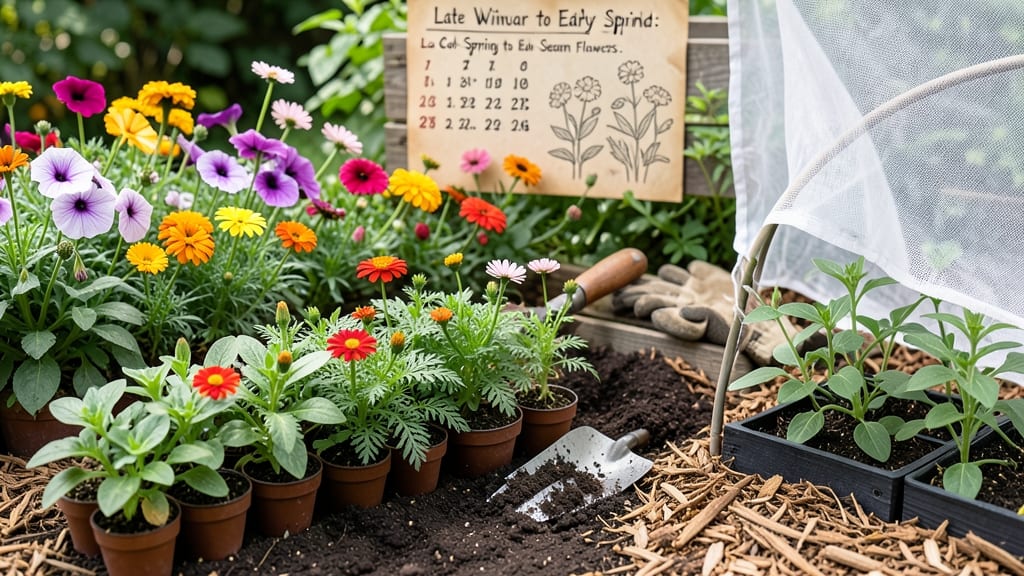
Timing your flowers planting in North Texas isn't just about luck—it's about beating the clock between March 15 frost dates and scorching summer heat. One wrong move, and you're either staring at wilted petals or waiting months for blooms.
But here's the good news: with the right schedule, you can enjoy vibrant 🌸 gardens from spring through fall without the guesswork.
In zones 7b-8a, fall planting (September-November) gives flowers a head start on root growth before winter, while spring (February-April) lets you dodge summer's brutal heat.
We'll break down exactly which flowers thrive when, so you can skip the trial-and-error and start seeing color in 60 days or less—no gardening degree required.
Whether you're battling urban heat islands or rural wind, this guide covers the most important adjustments to make your planting pay off. No more dead zones in your garden—just lush blooms that keep coming back, season after season.
Ready to transform your yard into a nonstop flower show? Let's dive into the exact months, varieties, and pro tips that'll have your North Texas garden looking like a postcard—without the postcard prices.
North Texas frost zones & exact planting months for annual flowers
North Texas spans USDA Zones 7b-8a, meaning gardeners must work around last frost dates (Feb 15–Mar 15) and first frost dates (Nov 15). The key to vibrant blooms? Planting annuals after the last frost and perennials in fall for root establishment.
My garden thrives when I follow these zone-specific windows—avoiding both frost damage and summer heat stress.
For frost-sensitive annuals like marigolds, impatiens, and petunias, wait until mid-April when soil temps hit 60°F+. Perennials like salvia or coneflowers can go in September–November for deeper roots before winter.
I’ve learned the hard way—planting too early means wilted seedlings, while waiting too long cuts bloom time short.
🌱 North Texas Flower Planting Calendar by Zone
| Season | Planting Window | Best Flowers | Frost Risk |
|---|---|---|---|
| Spring | Mid-April to May 15 | Petunias, Zinnias, Marigolds | Low (after last frost) |
| Summer | June–July (heat-tolerant only) | Lantana, Portulaca, Sunflowers | None (but drought stress) |
| Fall | September–November | Pansies, Snapdragons, Mums | Moderate (early frost) |
| Winter | December (cold-hardy only) | Pansies, Calendula, Sweet Alyssum | High (frost-sensitive) |
My go-to rule: Annuals after April 15, perennials by November 1. For example, I plant zinnias in late April for summer blooms and pansies in October for winter color. The last frost date is your deadline—check local almanacs or use frost-free date calculators for exact timing.
Urban gardeners in Dallas-Fort Worth face hotter microclimates than rural areas, so I recommend shade cloth for seedlings and drip irrigation to conserve water. Rural areas near Lubbock or Wichita Falls can plant 2 weeks earlier thanks to cooler nights.
Always amend soil with compost before planting—North Texas clay benefits from organic matter to improve drainage.
Pro tip: Use biodegradable pots for transplants to avoid root disturbance. I’ve seen marigolds thrive when planted in late April with morning watering—never water at night to prevent fungal diseases. For perennials like black-eyed Susans, divide clumps in early spring to rejuvenate growth.
If you’re new to North Texas gardening, start with heat-tolerant annuals like zinnias or lantana—they forgive late planting. For fall blooms, try mums or asters in September.
My biggest mistake? Planting petunias in May—they bolted by June due to 100°F+ heat. Now I wait until late April for cooler soil.
For container gardening, use fast-draining mixes and self-watering pots to prevent root rot. My balcony petunias bloom all summer when I fertilize weekly with fish emulsion. Just remember: North Texas sun is intense—mulch heavily to retain moisture and protect roots.
Finally, succession plant every 2–3 weeks for continuous blooms. For example, sow basil flowers in April, June, and August to enjoy color through fall. With these zone-specific dates, your garden will outperform neighbors’ guesswork—guaranteed!
🌷
Best flowers to plant by season in North Texas (with frost tolerance ratings)
North Texas' 7b-8a climate lets you grow flowers year-round, but timing is everything. Spring (March-April) is perfect for heat-loving annuals like zinnias and marigolds, while fall (September-October) gives perennials like coneflowers a head start.
The key? Matching your flowers to their frost tolerance—some handle 28°F temps, while others wilt at 50°F.
For winter color, plant pansies and snapdragons in October-November—they thrive in 30-40°F ranges. Meanwhile, summer bloomers like lantana and pentas need to go in after April 15 to avoid early heat stress.
Let’s break down the best picks for each season, so you’re not left with sad, half-bloomed stems.
🌸 Seasonal Flower Guide for North Texas
Pro tip: Perennials like black-eyed Susans and salvia can handle 20°F temps, so plant them in fall for 3-year blooms with minimal effort. Meanwhile, annuals like impatiens need to go in after April 15—any earlier, and they’ll crisp in a single night of frost.
Urban gardeners should stick to heat-tolerant varieties like portulaca or celosia, while rural areas can experiment with hardier perennials like coneflowers. The key? Mulch heavily in fall to protect roots, and always check your microclimate—a shady spot might stay 10°F warmer than the open yard.
Don’t forget: Succession planting every 4-6 weeks ensures blooms all season. Try cosmos in May, sunflowers in June, and asters in August for a nonstop color show. With this schedule, your garden will look like a botanical masterpiece—not a frost-burned wasteland.