Size
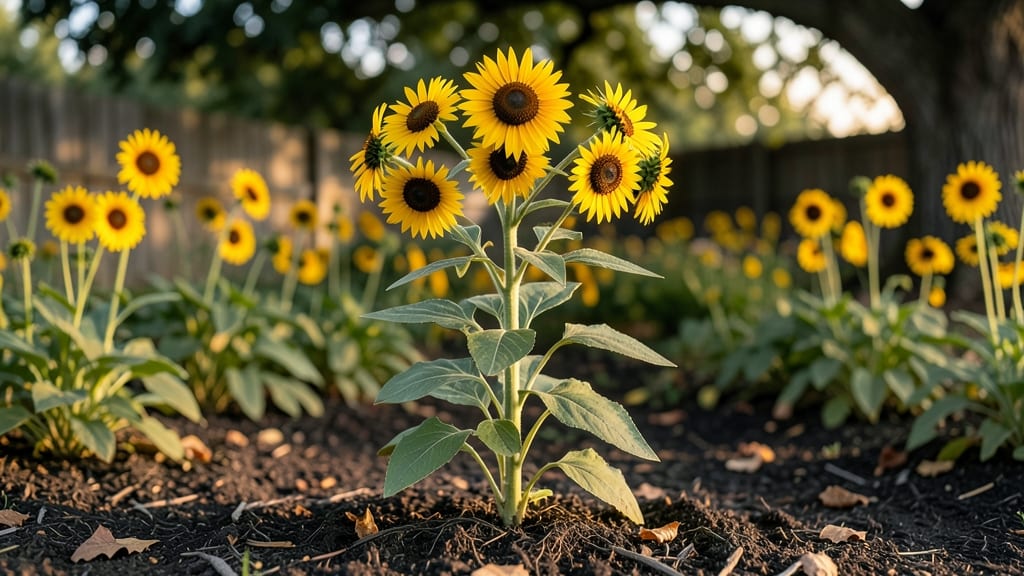
If you're dreaming of a vibrant garden but wondering how tall Black-Eyed Susans grow, the answer might surprise you—these cheerful 🌼 blooms can range from petite 1-foot dwarfs to towering 4-foot giants, depending on the variety.
Whether you're planning a cozy container display or a bold backyard border, knowing these height differences is key to creating the perfect look.
Some varieties, like the popular 'Becky Mix,' stay compact at just 1-2 feet, making them ideal for small spaces or window boxes. Meanwhile, cultivars like 'Giant Glow' can reach 3-4 feet, adding drama to the back of flower beds or cut-flower arrangements.
The right choice depends on your garden's layout and your vision for height and impact.
But here's the catch: sunlight, soil quality, and even pruning habits can tweak their growth. A sun-drenched spot with rich soil might push your Black-Eyed Susans to their fullest potential, while shade or poor drainage could stunt them.
I’ll show you how to nurture them for the perfect height—whether you want them to stay small or stretch tall.
Ready to pick the perfect variety and care routine? Let’s break down the height ranges, care tips, and the best spots to plant these low-maintenance stars so your garden gets the bold (or subtle) look you’re after.


Black Eyed Susan height ranges by variety: from dwarf to giant
Black Eyed Susans (Rudbeckia hirta) are beloved for their cheerful daisy-like blooms and low-maintenance nature. But did you know their height can vary from just 1 foot to over 4 feet, depending on the variety?
Understanding these differences helps you choose the perfect fit for your garden design—whether you want a compact border plant or a tall back-of-the-bed statement.
The average mature height for most Black Eyed Susan varieties falls between 2 to 3 feet. However, some dwarf cultivars stay under 18 inches, while giant varieties can reach 4 feet or taller.
This range makes them versatile for containers, borders, or cut-flower gardens. Let’s explore the most popular varieties and their height profiles to help you plan your garden layout.
| Variety | Mature Height | Best For | Notes |
|---|---|---|---|
| 'Becky Mix' | 12–18 inches | Containers, borders, pollinator gardens | Dwarf variety; great for small spaces |
| 'Indian Summer' | 2–3 feet | Mid-border, cut flowers | Classic height; long bloom season |
| 'Cherokee Sunset' | 2–3 feet | Pollinator gardens, meadows | Drought-tolerant; vibrant colors |
| 'Giant Globe' | 3–4 feet | Back of borders, cut flowers | Tallest variety; bold presence |
| 'Goldsturm' | 2–3 feet | Wildflower gardens, meadows | Heat-tolerant; long-lasting blooms |
If you’re designing a small-space garden, dwarf varieties like 'Becky Mix' (12–18 inches) are ideal for containers or window boxes. These compact plants thrive in 5-gallon pots and add color to patios or balconies without overwhelming the space.
For larger gardens, taller varieties like 'Giant Globe' (3–4 feet) create a dramatic backdrop for shorter perennials like coneflowers or black-eyed Susans.
Height isn’t the only factor to consider—bushiness and spread also play a role in garden planning. For example, 'Goldsturm' grows 2–3 feet tall but spreads 2 feet wide, making it perfect for mass planting in meadow-style gardens.
Meanwhile, 'Indian Summer' stays slightly more compact, with a 1.5–2 foot spread, which works well for mixed borders.
Another key consideration is how light and soil conditions affect height. Black Eyed Susans grown in full sun (6+ hours daily) tend to reach their maximum potential height, while those in partial shade may stay shorter and less bushy.
Well-draining, sandy or loamy soil also encourages healthier growth, whereas clay-heavy or waterlogged soil can stunt their development. If your garden has poor drainage, consider amending the soil with compost or perlite to promote optimal growth.
For cut-flower arrangements, taller varieties like 'Giant Globe' or 'Goldsturm' are excellent choices. Their sturdy stems hold up well in bouquets, and their long vase life (7–10 days) makes them a favorite for florists.
If you’re growing Black Eyed Susans for pollinators, any variety will attract bees and butterflies, but taller plants provide better landing platforms for larger insects.
Pro tip: If you’re unsure which variety to choose, start with a mix of heights to create visual interest. For example, pair 'Becky Mix' (12–18 inches) in the front with 'Giant Globe' (3–4 feet) in the back. This layered approach adds depth and texture to your garden while keeping maintenance manageable. Just
Finally, keep in mind that Black Eyed Susans are perennials in most U.S. climates (USDA Zones 3–11), meaning they’ll return year after year—and their height may increase slightly each season. With proper care, a 2-foot-tall plant in its first year could reach 3 feet by its third year. This gradual growth makes them a low-maintenance, long-term
Black Eyed Susan height ranges by variety: from dwarf to giant
Black Eyed Susans (Rudbeckia hirta) are famous for their bold daisy-like blooms, but their height can vary wildly depending on the variety. Some stay petite enough for window boxes, while others reach tall enough to anchor the back of a border.
Choosing the right type ensures your garden stays balanced—and stunning.
The average height for most Black Eyed Susans falls between 2-3 feet, but dwarf varieties can stay as short as 1 foot, while giant cultivars can stretch to 4 feet or more.
This range makes them incredibly versatile, whether you're filling a small container or creating a dramatic backdrop in your flowerbed.
Here’s how popular varieties stack up in height—and how to use them in your garden:
| Variety | Mature Height | Best For |
|---|---|---|
| 'Becky Mix' | 1–2 ft | Containers, window boxes, small borders |
| 'Indian Summer' | 2–3 ft | Mid-border, cut flowers, pollinator gardens |
| 'Cherokee Sunset' | 2–3 ft | Mass plantings, pollinator-friendly borders |
| 'Giant Globe' | 3–4 ft | Back of borders, cut-flower arrangements |
| 'Autumn Sun' | 2–3 ft | Drought-tolerant landscapes, wildflower gardens |
If you’re working with limited space, dwarf varieties like 'Becky Mix' are perfect for containers or window boxes. They also bloom prolifically, offering nonstop color from summer through fall. For a dramatic focal point, taller varieties like 'Giant Globe' add height and structure to your garden design.
Sunlight and soil play a huge role in their growth. Planting Black Eyed Susans in full sun (6+ hours daily) encourages taller, sturdier stems, while partial shade can result in leggier plants. Amending your soil with compost also helps them reach their full potential height without flopping over.
Pro tip: If you love the look of tall Black Eyed Susans but worry about them toppling, try staking or planting them near supportive perennials like coneflowers or grasses. This keeps them upright while adding texture to your garden.
Ready to pick the perfect variety? Next, I’ll show you how to control their height with pruning and care tips—so you can shape them exactly how you want.