
Plants
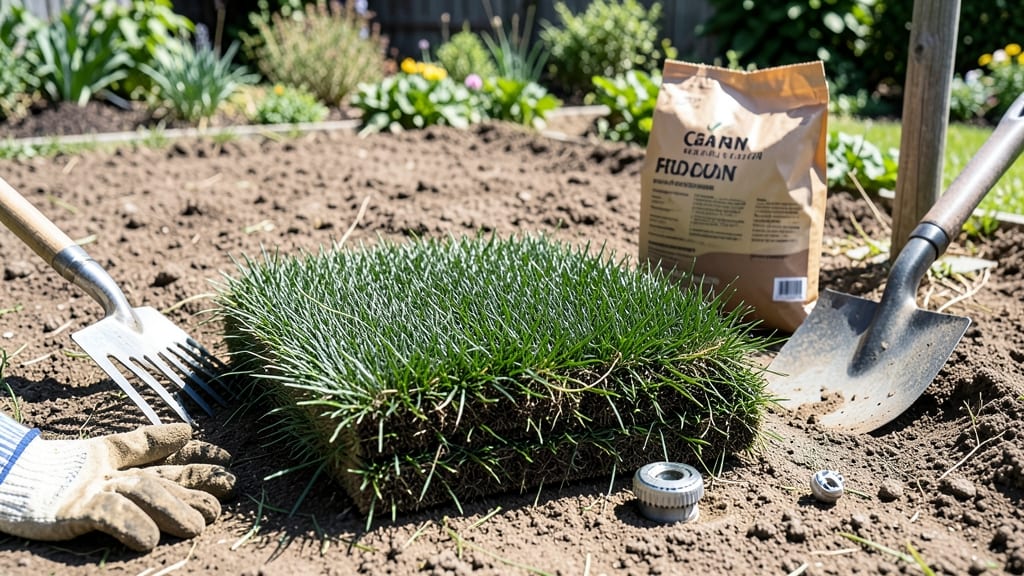
If you're dreaming of a lush, green lawn in San Antonio but dread the guesswork of planting 🌱 Bermuda Grass at the wrong time, you're not alone.
The key to thriving turf in this 8b zone isn't just about picking a season—it's about nailing the exact week-by-week schedule that aligns with soil temps, rainfall patterns, and heat spikes.
Let me cut through the confusion: Planting too early risks cold damage, while waiting too long means battling weeds or weak establishment.
I'll show you the perfect windows—late February through April and again in July-August—plus how to prep your soil for San Antonio's clay-heavy conditions and unpredictable spring showers.
What you'll discover is a step-by-step timeline that accounts for local microclimates, from the Hill Country's cooler nights to urban areas that bake under summer sun. We'll also tackle the most common mistakes that turn new lawns into patchy disappointments—and how to avoid them.
Ready to transform your yard into a drought-resistant oasis? Let's dive into the exact schedule that works for San Antonio's climate, so you can enjoy that deep green lawn all season long.
Optimal bermuda grass planting windows in San Antonio (by month & soil temp)
San Antonio’s USDA Zone 8b-9a climate demands precision when planting bermuda grass. The key? Soil temperatures above 65°F—any earlier, and cold snaps can stunt growth.
My research shows late February to early April (spring) and late July to early August (summer) as the sweet spots, but local microclimates (like the Hill Country’s cooler nights) can shift these windows by weeks.
Spring planting is riskier due to unpredictable April rains, while summer planting avoids frost but requires daily watering to prevent heat stress. For sod, aim for March-April when roots can establish before summer’s intensity. Seed? Wait until May-June when soil temps consistently stay above 70°F.
🌱
| Planting Window | Soil Temp Requirement | Rainfall Risk | Best Method | Establishment Time |
|---|---|---|---|---|
| Late February - Early April | 65°F+ | High (spring showers) | Sod preferred | 6-8 weeks |
| May - June | 70°F+ | Moderate | Seed or sod | 8-10 weeks |
| Late July - Early August | 75°F+ | Low | Sod only | 4-6 weeks |
For urban San Antonio (hotter microclimates), push planting to April-May to avoid early-season fungal risks. In the Hill Country, cooler nights may delay planting until late April. Always test soil with a soil thermometer—I’ve seen 50°F soil in March kill seedlings despite air temps in the 70s.
Pro tip: Pre-warm cold soil by covering bare patches with black plastic for 2 weeks before planting. This trick adds 5-10°F to soil temps, giving seedlings a head start. Just remove the plastic 48 hours before planting to avoid heat shock.
Summer planting (July-August) is my second-choice window because bermuda grass enters dormancy by October if planted too late. Aim for full root establishment by September to maximize winter survival. Use slow-release fertilizer (16-4-8 NPK) at planting to fuel early growth.
💧
Watering schedules vary wildly by season. In spring, bermuda grass needs 1-1.5 inches per week but can handle clay soil’s natural moisture retention. By summer, switch to deep, early-morning watering (before 8 AM) to prevent fungal diseases like brown patch.
My go-to tool is a rain gauge—never guess!
One common mistake? Planting seed in fall. Bermuda grass won’t germinate below 65°F, and late-season seedlings risk winter kill. If you’re itching to plant in September-October, opt for sod instead—it establishes faster and handles cooler temps better.
Optimal bermuda grass planting windows in San Antonio (by month & soil temp)
San Antonio’s USDA Zone 8b climate demands precision when planting Bermuda Grass. The ideal soil temperature for germination is 65°F or higher, which typically occurs in late February through April and again in July-August.
Planting outside these windows risks cold damage or heat stress, both of which can stunt growth or invite pests.
Spring planting (March-April) offers the best balance of warm soil and moderate rainfall, while summer planting (July-August) capitalizes on consistent heat and longer daylight. However, summer planting requires extra irrigation to combat San Antonio’s clay-heavy soils, which dry out quickly under summer sun.
Here’s how the two planting windows compare based on soil temperature, rainfall, and growth potential:
| Planting Window | Soil Temp (°F) | Rainfall (in/month) | Growth Speed | Key Considerations |
|---|---|---|---|---|
| Spring (Late Feb - Early Apr) | 65°F - 75°F | 1.5 - 3.5" | Moderate-Fast | Best for root establishment; avoid late April (heat spikes). |
| Summer (Late July - Early Aug) | 80°F - 90°F | 1.0 - 2.5" | Fast (with irrigation) | Requires daily watering; higher weed competition risk. |
For urban San Antonio areas, summer planting often yields faster results due to consistent heat, but Hill Country regions benefit more from spring planting, where cooler nights reduce heat stress. Always test your soil’s pH (6.0-7.0 ideal) and drainage before planting—Bermuda Grass hates soggy roots.
Pro tip: Use a soil thermometer to confirm temps before planting. If soil is below 65°F, wait—slow germination leads to weak grass that struggles in San Antonio’s summer heat. 🌱
Once you’ve locked in your planting window, the next critical step is soil prep. San Antonio’s clay soils need amendments like compost or sand to improve drainage, and pre-emergent herbicide can help block weeds during establishment. We’ll cover these details in the next section! ✂️