
Plants
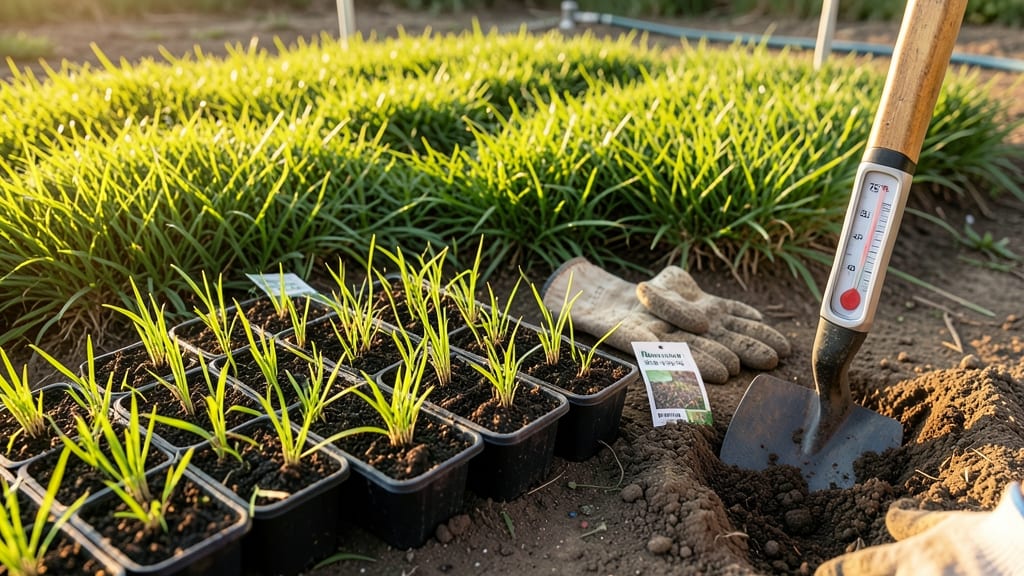
Planting Bermuda grass at the wrong time in California can mean weak roots, poor drought resistance, and a lawn that struggles to survive the summer heat—so knowing the exact planting windows by zone is critical.
Whether you're in coastal zone 10 or inland zone 9, timing matters more than you might think.
This 🌱 hardy grass thrives when planted in early spring or fall, but California's microclimates create unique challenges. Too early, and frost (yes, even in parts of the state) can damage young shoots. Too late, and summer drought stress sets in before roots establish.
In this guide, I’ll break down the best weeks to plant by region, plus pro tips for soil prep and watering that make all the difference. Skip the guesswork—let’s get your lawn off to the strongest start.
You’ll discover how to adjust for coastal humidity, inland heat, and even the rare frost risk in higher valleys. Ready to transform your patchy yard into a lush, low-maintenance carpet? Let’s dive in.
California Bermuda grass planting windows by USDA Zone (with exact weeks)
California’s diverse climate—from coastal fog to inland heat—means Bermuda grass planting windows vary dramatically by USDA zone. In Zone 9 (inland valleys), you’ll have a 6-week window in spring, while Zone 10 (coastal areas) can plant almost year-round due to mild winters.
Timing isn’t just about months; it’s about soil temperatures and frost-free dates.
For most of California, March–May is the primary planting window, but coastal gardeners can extend this to February–June. The key is planting when soil temps hit 65–70°F—too early, and seeds rot; too late, and summer drought stress kicks in.
Inland areas should also consider early fall (August–September) for a second chance at establishment.
Here’s the breakdown by zone, including exact weeks and microclimate adjustments:
| Zone | Primary Planting Window | Soil Temp Requirement | Microclimate Adjustments |
|---|---|---|---|
| Zone 9 (Inland Valleys) | March 15–April 30 | 65–70°F | Plant 2 weeks earlier in low deserts (e.g., Palm Springs). |
| Zone 9 (Central Coast) | February 20–May 15 | 60–65°F | Extend window 1 month later in foggy areas (e.g., Monterey). |
| Zone 10 (Coastal) | February 1–June 15 | 55–60°F | Plant sod instead of seed for faster establishment in humid coastal zones. |
| Zone 11 (Desert Oases) | Year-round (best: Sept–Nov) | 70–75°F | Avoid summer planting—heat stress kills seeds. |
Inland areas like the Central Valley (Zone 9) should prioritize spring planting because summer drought is brutal. Coastal areas (Zone 10) can plant earlier and later thanks to milder winters, but watch for fungal diseases in damp conditions.
For Zone 11 deserts, fall is ideal—summer’s extreme heat can fry seeds before germination.
Pro tip: Use a soil thermometer to confirm temps. If your soil is below 60°F, wait—even if the calendar says it’s spring. Bermuda grass seeds need warmth to activate, and rushing it leads to poor germination rates and weak starter roots.
Another critical factor is frost risk. While most of California avoids frost, inland valleys (Zone 9) can see light frosts in winter. Planting in late spring (May) ensures your grass establishes before summer heat hits.
Coastal gardeners? You’re safe planting as late as June, but be prepared for slower growth in cooler months.
For sod vs. seed, coastal areas benefit from sod because it establishes 3x faster in humid conditions. Inland areas? Seeds are cheaper and work well if planted at the right soil temp. Never plant Bermuda grass in summer—it’ll bolt or die from heat stress before roots form.
One mistake I see often is planting too early in Zone 9 inland areas. Gardeners in Fresno or Bakersfield might start in February, but the soil is still cool. Wait until mid-March when daytime temps consistently hit 70°F.
Finally, remember that California’s microclimates can shift planting windows by weeks. A yard in Santa Barbara (Zone 10) might thrive with a June planting, while a similar elevation in Los Angeles (Zone 10 but hotter inland) should plant by May 15 to avoid summer stress.
🌱
How to time Bermuda grass planting for strong root growth in California’s climate
Timing your Bermuda grass planting is everything in California—where spring rains can drown young seedlings and summer droughts can bake them before roots establish. The key is planting when soil temperatures hit 65°F+ and staying ahead of the May gray skies that bring unpredictable downpours.
For most of California, this means late April to early June for seeds or August to early September for sod, but coastal areas (like San Diego) can push planting into October thanks to milder winters.
Why? Bermuda grass thrives on consistent warmth, and planting too early risks seed rot from cool soils. Too late, and your lawn won’t have time to deepen roots before summer’s heat sets in.
Think of it like scheduling a marathon: you wouldn’t train the day before the race, and you shouldn’t expect Bermuda grass to handle California’s 100°F+ days without proper prep.
⚠️ Critical Warning: Avoid Planting During California’s "False Spring"
California’s March–April can trick you with 70°F days and cool nights. Planting too early in these unpredictable conditions leads to weak germination or fungal diseases like brown patch. Wait until soil stays above 65°F for 7+ days—use a soil thermometer to check!
Start with soil preparation 4–6 weeks before planting. Bermuda grass loves well-draining soil with a pH of 6.0–7.5, so test your soil and amend with compost or sand if needed. Inland valleys (like the Central Valley) often have clay-heavy soil, so mix in gypsum to improve drainage.
Coastal areas may need less amendment—their sandy soils drain naturally but can dry out fast.
Once planted, watering is non-negotiable. Bermuda grass needs 1–1.5 inches of water per week for the first 30 days, but deep watering (1–2 times per week) beats shallow, frequent watering.
Use a rain gauge or tuna can to measure—California’s Mediterranean climate means water evaporates fast, and underwatering stresses young roots. Water early morning (5–9 AM) to prevent fungal growth from evening moisture.
After the initial 30-day establishment phase, shift to drought-tolerant care. Bermuda grass goes dormant in winter (even in coastal areas), so reduce watering to bi-weekly in November–February. This trains roots to seek deep moisture, making your lawn resilient to summer dry spells.
Pro tip: Mow high (1–1.5 inches) to shade roots and retain moisture during heatwaves.
For sod installation, timing shifts slightly: August–early September is ideal because sod establishes faster than seeds. The early fall gives roots 6–8 weeks to grow before winter slows things down.
If you’re in Southern California (Zone 10–11), you can even plant through October—just avoid planting in November, when cooler temps stall growth.