
Size
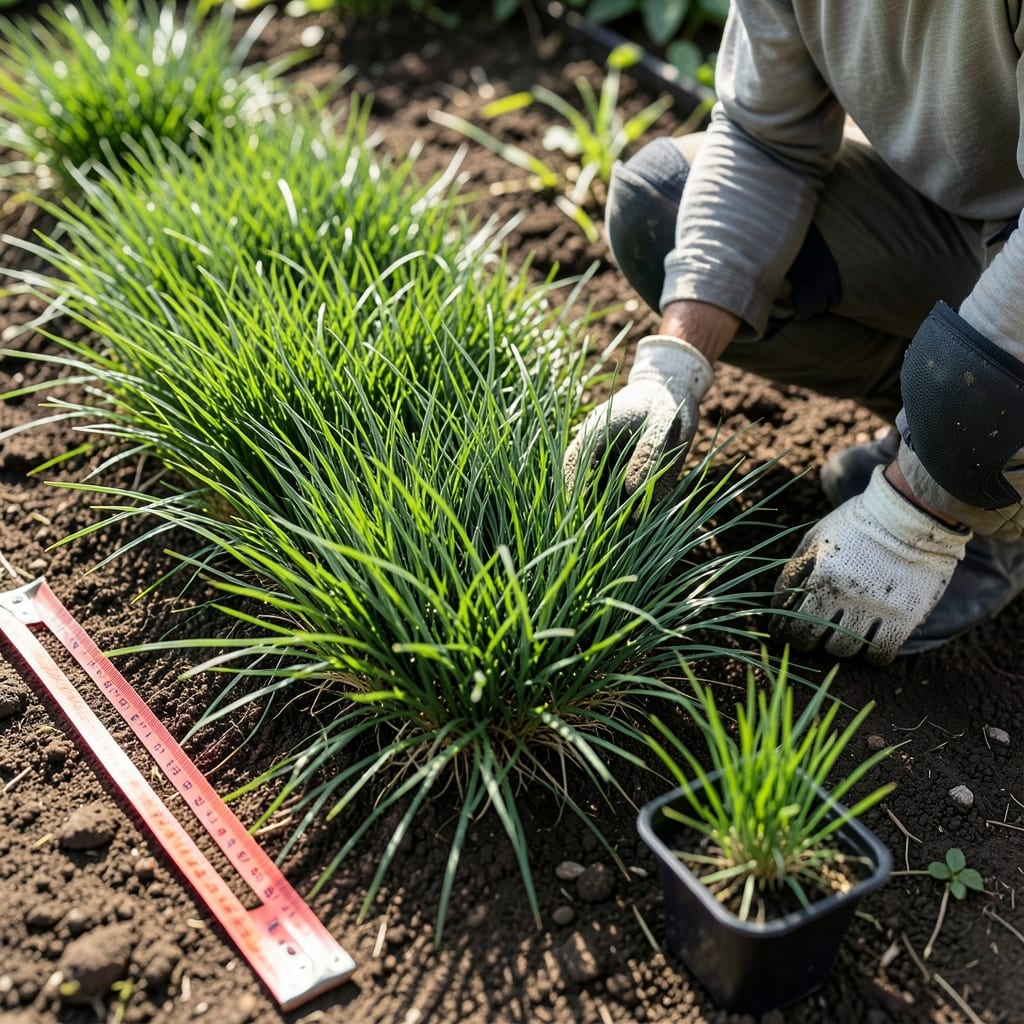
If you’ve ever wondered just how tall your Bermuda grass 🌱 can grow—or how to keep it from taking over—you’re not alone. This fast-spreading grass isn’t just hardy; it’s aggressive, and its height can swing wildly depending on where you live and how you maintain it.
In ideal conditions, Bermuda grass can shoot up to 2 feet or more if left unchecked, but most homeowners keep it trimmed between 1 and 2 inches for a neat, manageable lawn. The key? Understanding your climate zone and mowing habits makes all the difference.
From scorching Southern summers to cooler Northern regions, Bermuda grass adapts—but its growth habits change dramatically. Whether you’re dealing with a fast-growing variety or trying to curb its spread, the right approach keeps it lush without turning your yard into a jungle.
Let’s break down exactly how tall Bermuda grass can get, what influences its height, and how to manage it year-round—so you can enjoy a perfect lawn without the guesswork.

Bermuda grass height limits by climate zone: Southern vs. Northern growing conditions
Bermuda grass thrives in USDA zones 7 through 11, but its height potential shifts dramatically depending on where you live. In the Deep South (zones 9-11), this grass can grow wildly aggressive, reaching heights of 2 feet or more if left unchecked. Meanwhile, in transitional zones (7-8), growth slows during cooler months, capping height at 12-18 inches unless you live in a microclimate with extended warmth.
The key difference lies in dormancy periods. Southern varieties like Tifway 419 stay green year-round, while Northern types like Celebration may go dormant in winter, affecting their height recovery in spring. Cold snaps can stunt growth entirely in zone 7, where temperatures dip below 20°F.
Let’s compare how Bermuda grass height varies across these zones—and which varieties perform best in each climate.
| Climate Zone | Max Height (Uncut) | Ideal Mowing Height | Dormancy? | Best Variety |
|---|---|---|---|---|
| Zones 9-11 (Tropical) | 24+ inches | 1–2 inches | No | Tifway 419 |
| Zones 7-8 (Transitional) | 18–24 inches | 1.5–2.5 inches | Partial (winter) | Riviera |
| Zone 6 (Northern Limit) | 12–18 inches | 2–3 inches | Yes (full) | Celebration |
In tropical zones (9-11), Bermuda grass grows rapidly year-round, often requiring weekly mowing to maintain a tidy lawn. The Tifway 419 variety, for example, can reach 2 feet or taller if not controlled, making it a favorite for sports fields but a challenge for homeowners. Its deep root system also helps it recover quickly after mowing, ensuring it stays lush.
Conversely, in transitional zones (7-8), varieties like Riviera grow aggressively in summer but may turn brown in winter. Here, height peaks at 18–24 inches before dormancy kicks in. The Celebration variety, bred for zone 6, handles colder snaps better but caps growth at 12–18 inches due to shorter growing seasons.
Microclimates play a huge role too. Even in zone 6, a south-facing yard might support taller growth than a shaded area. If you’re in a cooler zone, choose a Northern variety and avoid cutting grass shorter than 2 inches in late summer—this helps it store energy for winter survival.
Soil type also impacts height. Sandy soils drain quickly, encouraging faster growth, while clay soils can stunt Bermuda grass unless amended with compost. For maximum height control, test your soil’s pH (6.0–7.0 is ideal) and adjust with lime or sulfur as needed.
One common mistake? Assuming all Bermuda grass behaves the same. Southern types grow taller and faster, while Northern types prioritize cold tolerance over height. Match your variety to your zone, and you’ll avoid frustration—and overgrown lawns.
Next, we’ll dive into the fastest-growing Bermuda grass varieties and how to maximize their height without sacrificing health. Which one will dominate your yard?
Bermuda grass height limits by climate zone: Southern vs. Northern growing conditions
Bermuda grass thrives in warm climates but its height potential shifts dramatically between USDA zones 7-11. In the deep South (zones 9-11), it can reach 2 feet or taller if unchecked, while in cooler transitional zones (7-8), growth slows significantly during winter months. The key difference? Winter dormancy in Northern regions vs. year-round growth in tropical areas.
For example, in Florida or Texas, varieties like Tifway 419 grow aggressively year-round, often hitting 18-24 inches without mowing. Meanwhile, in Georgia or Alabama, the same grass may only reach 12-16 inches before entering dormancy in winter. Northern varieties like Riviera or Celebration handle cooler temps better but still max out at 12-18 inches.
Climate isn't the only factor—soil temperature and mowing frequency play huge roles. Bermuda grass needs soil temps above 65°F to grow actively. In cooler zones, growth halts until spring, while Southern lawns stay green year-round. This means your mowing schedule must adapt: Southern lawns need weekly mowing in peak season, while Northern lawns can go bi-weekly in summer.
| Climate Zone | Max Height (Unmowed) | Mowing Height Range | Winter Behavior |
|---|---|---|---|
| Zones 9-11 (Tropical) | 18-24 inches | 1-2 inches | Year-round growth |
| Zones 7-8 (Transitional) | 12-18 inches | 1.5-2.5 inches | Dormant in winter |
| Zone 6 (Northern Limit) | 8-12 inches | 2-3 inches | Minimal growth |
Cold snaps can drastically reduce Bermuda grass height in Northern zones. A single 28°F night can kill off tender varieties, leaving brown patches that take weeks to recover. That's why Northern-adapted varieties like Celebration are your best bet—they tolerate 15°F better than Southern types. Even so, expect 50% height reduction during dormancy compared to peak summer growth.
To maximize height in cooler zones, focus on early spring fertilization (as soon as soil warms) and consistent watering to kickstart growth before summer heat arrives. In Southern zones, the real challenge is controlling spread—Bermuda grass can grow 1 inch per week in ideal conditions, turning a small patch into a lawn takeover in months. Regular mowing and edge trimming are essential to keep it in check.
Pro tip: If you're in a transitional zone, scalping (mowing to ½ inch) in late summer can thicken roots and improve winter survival—just don't do it in peak heat or you'll stress the grass. The goal? Balance height control with climate resilience for a lawn that stays lush year-round.