
Vegetables
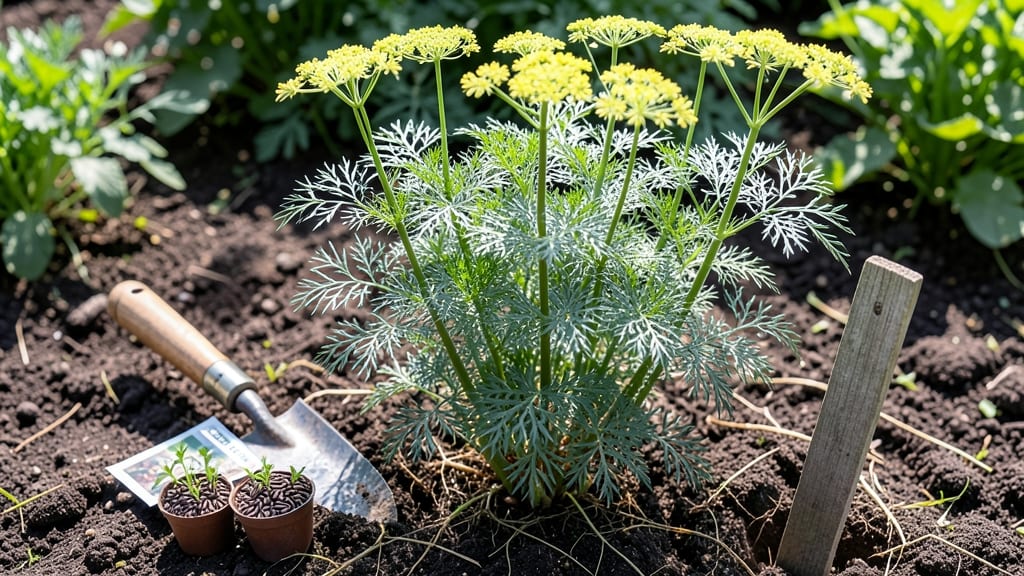
If you’ve ever tried when to plant dill in Southern California only to watch it bolt into bitter-tasting flowers before harvest, you're not alone.
The key to tender, flavorful leaves lies in planting at the precise moment—when soil temps hit that sweet spot between 60°F and 70°F—and knowing your microclimate matters more than the calendar.
Unlike frost-prone regions, SoCal's year-round growing season means you can plant 🌿 dill almost anytime, but timing still makes all the difference. Coastal areas like Santa Barbara can start as early as February, while inland valleys like Riverside should wait until March or April to avoid heat stress.
Desert regions? Even later, in late spring, to prevent premature flowering.
What you'll discover here are the exact planting windows tailored to your local conditions—whether you're in the mild coastal fog belt or the intense desert sun.
We'll also cover how to stretch your harvest season using simple tricks like staggered sowing and shade protection, so you're never left without fresh dill for your favorite dishes.
Ready to grow dill that stays tender and productive all season long? Let's dive into the microclimate-specific strategies that will transform your garden from hit-or-miss to consistently delicious.
Southern California dill planting zones: exact dates by microclimate for zero-frost success
Southern California’s frost-free growing season makes dill one of the easiest herbs to cultivate—but not all regions thrive on the same schedule.
Coastal areas like Santa Barbara and San Diego enjoy year-round planting, while inland valleys (e.g., Los Angeles and Riverside) and desert outskirts (e.g., Palm Springs) demand precise timing to avoid heat stress or bolting. Let’s break down the optimal planting windows for each microclimate.
Dill seeds germinate best in soil temperatures between 60–75°F.
Coastal Zone 10b/11 regions hit these temps as early as February, while inland Zone 9b areas wait until March, and desert Zone 8b zones prefer late August–September to escape summer’s peak heat. Frost risk is negligible in most of SoCal, but high-elevation areas (e.g., Big Bear) may experience rare cold snaps.
Here’s how to align your planting with Southern California’s three key microclimates for maximum harvest success:
| Microclimate | USDA Zone | Best Planting Window | Soil Temp for Germination | Harvest Window |
|---|---|---|---|---|
| Coastal (Santa Barbara, San Diego) | 10b–11 | Feb–March, Sept–Oct | 60–75°F | April–May, Nov–Dec |
| Inland Valleys (LA, Riverside, San Bernardino) | 9b–10a | March–April, Aug–Sept | 65–75°F | May–June, Oct–Nov |
| Desert Outskirts (Palm Springs, Coachella) | 8b–9a | Late Aug–Sept | 70–80°F | Oct–Nov |
For coastal gardeners, I recommend two planting cycles: one in early spring (February–March) for a summer harvest and another in late summer (September–October) to enjoy fresh dill through the holidays. The cooler coastal breezes help prevent premature bolting, ensuring tender leaves for 60–75 days after sowing.
Inland valleys experience hotter summers, so I plant dill in early spring (March) to harvest before June’s heat triggers bolting.
For a fall harvest, I opt for late August sowing, giving plants time to establish before September’s cooling trend. Mulch heavily with straw to retain moisture and protect roots from 100°F+ soil temps.
Desert regions like Palm Springs are trickier: summer planting is a gamble due to extreme heat. Instead, I focus on one late-summer planting (August–September) using heat-tolerant varieties like ‘Fernleaf’ or ‘Bouquet’.
These varieties handle 90°F+ temps better than standard dill, but I still provide afternoon shade with row covers or shade cloth.
Regardless of your zone, direct sowing is key—dill hates transplanting and bolts quickly if stressed. Scatter seeds ½ inch deep, 12 inches apart, in well-draining soil with full sun exposure.
Thin seedlings to 18 inches apart once they’re 2 inches tall to prevent overcrowding and fungal diseases.
Pro tip: Test soil moisture before watering—dill prefers consistently moist (not soggy) soil.
In Zone 10+, I water every 3–4 days; in Zone 9–8, I increase frequency to daily during peak summer. Morning watering prevents fungal issues like powdery mildew, which thrives in SoCal’s humid coastal nights.
By aligning your planting with these microclimate-specific windows, you’ll avoid bitter-tasting leaves and failed harvests, ensuring a steady supply of fresh dill year-round. Next, we’ll explore how to extend your harvest season using succession planting and container gardening—perfect for SoCal’s unpredictable weather patterns!
How to extend your dill harvest season in Southern California’s climate
Southern California’s year-round growing potential means you can harvest fresh dill leaves almost any month—but only if you time your plantings right. The key is avoiding heat stress in summer and bolting from sudden cold snaps, even in mild winters.
With the right strategies, you can enjoy continuous dill harvests from early spring through late fall.
I’ve found that staggered planting every 4–6 weeks keeps my garden producing tender leaves while older plants bolt. For example, sow a batch in February, another in May, and a final one in August—this ensures a steady supply without gaps.
The trick is choosing heat-tolerant varieties like ‘Bouquet’ or ‘Fernleaf’ for inland desert regions where temperatures can spike.
- Succession Sowing: Plant new seeds every 3–4 weeks for continuous harvests.
- Container Gardening: Move pots to shade during peak summer heat (100°F+).
- Shade Cloth: Use 30–50% shade in inland valleys to prevent bolting.
For coastal areas like San Diego or Santa Barbara, where humidity lingers, focus on well-draining soil and avoid overwatering. I’ve had success with raised beds filled with a mix of compost and perlite to prevent root rot.
In contrast, desert regions (e.g., Palm Springs) need drip irrigation to keep roots cool—mulching with straw helps retain moisture while protecting seedlings from sudden temperature swings.
If you’re growing dill for seeds (not just leaves), let a few plants flower and go to seed in late summer. The seeds dry best in the warm, dry air of September and October.
Store them in a cool, dark place for next year’s planting. Pro tip: Harvest seeds before they shatter—I use a paper bag over the umbel to catch them as they ripen.
Don’t forget about winter harvests! While dill grows slowly in December–February, a light frost won’t kill it—just slow it down. I’ve harvested tender winter leaves from plants sown in October, though yields are smaller.
For maximum production, prioritize spring and fall plantings when temperatures are mild and consistent.
With these techniques, you can enjoy homegrown dill year-round—whether for pickling, soups, or garnishes. The secret is adapting to your microclimate and staying ahead of the heat. Start with small batches to test what works best in your garden!