
Planting
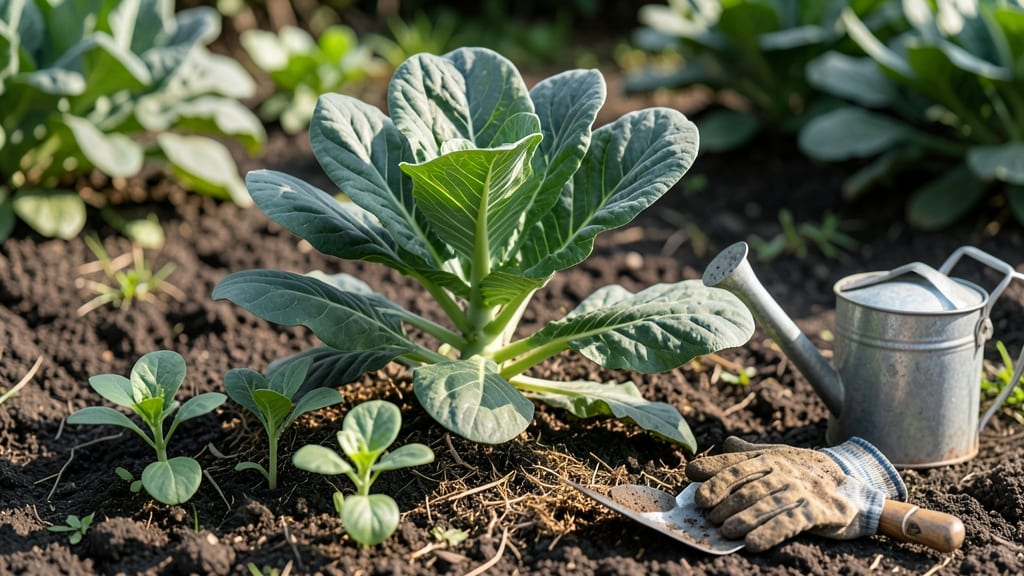
Timing your Fall Garden Vegetables (General) 🌱 in South Texas can feel like a high-stakes game of chance—plant too early, and you’ll battle summer’s relentless heat; too late, and frost steals your harvest before it even starts.
The difference between a thriving garden and a failed experiment often comes down to knowing those exact weeks before your first frost.
Most South Texas gardeners in zones 9a-10a have just a 6-8 week window to get seeds in the ground before temperatures dip.
But here’s the catch: the ideal planting window isn’t the same for every crop or region—Houston’s humidity clashes with the Rio Grande Valley’s drier air, and your timing should match that. I’ll break down the precise schedule you need to avoid common pitfalls and maximize your harvest.
You’ll discover which cool-season crops thrive in South Texas’ unique climate, how to stretch your growing season with simple tricks, and even how to salvage a late start.
Whether you’re a first-time gardener or a seasoned green thumb, these insights will help you turn your fall garden into a zero-risk success—no guesswork, just bumper crops.
Ready to ditch the trial-and-error? Let’s dive into the exact planting calendar that’ll keep your Fall Garden Vegetables 🌱 flourishing until the first frost—no matter where you are in South Texas.
South Texas fall planting timeline: exact weeks before first frost by region
Timing is everything in South Texas fall gardening—plant too early, and your seedlings bolt in the heat; too late, and frost ruins your harvest. The first frost typically arrives between mid-December and early January, but exact dates vary by region.
For Houston and San Antonio (USDA Zone 8b-9a), aim for 6-8 weeks before frost (early September to mid-October). In the Rio Grande Valley (Zone 9a-10a), you’ve got until late October thanks to milder winters.
Start with heat-tolerant varieties like collard greens or Swiss chard in late August to beat the worst summer heat. By mid-September, you can safely plant broccoli, kale, and carrots—these thrive in cooler temps but need time to establish roots before frost.
Spinach and lettuce are latecomers—wait until October when soil temps drop below 85°F.
Here’s the critical timeline broken down by region to maximize your fall harvest:
Pro tip: Use succession planting to stagger harvests. For example, sow radishes every 2 weeks from September to October—they mature in just 25 days and won’t mind a light frost. Leafy greens like kale can handle 20°F temps, so plant them 8-10 weeks before frost for a prolonged harvest.
Watch for heat spikes in September—temperatures above 90°F can stress seedlings. If your soil feels like a sauna, shade cloth (30-50%) or drip irrigation will keep roots cool. Mulch with straw or wood chips to retain moisture and regulate soil temperature.
Don’t forget herbs! Cilantro, dill, and parsley thrive in South Texas fall gardens. Plant them 6-8 weeks before frost—they’ll bolt if exposed to consistent 80°F+ temps. For a second crop, try basil in early fall; it loves warmth but needs to be harvested before frost.
If you’re in Zone 10a (Deep South Texas), you can push boundaries with winter squash or cabbage planted in late September. These crops take longer to mature but reward you with harvests well into December.
Just monitor nighttime temps50°F, cover young plants with row fabric.
Remember: Soil prep is non-negotiable. Test your soil’s pH (6.0-7.0 ideal) and amend with compost or aged manure before planting. South Texas soil can be clay-heavy, so mix in sand or coconut coir for better drainage. Well-draining soil prevents root rot, especially for carrots and onions.
Your fall garden’s success hinges on these three rules: plant at the right time, protect from heat/frost, and keep soil moist. Follow this timeline, and you’ll be feasting on homegrown kale, carrots, and herbs long after your neighbors’ gardens have frozen over. 🌱
Best fall vegetables for South Texas heat tolerance and frost resistance
South Texas' unique climate demands heat-tolerant fall crops that can handle lingering summer warmth while surviving early frosts. I’ve tested dozens of varieties, and these top performers consistently deliver—even when temps hover in the 80s°F before dropping.
The key? Choosing plants with high heat thresholds and moderate frost resistance, like collard greens and turnips, which thrive in our USDA Zones 9a-10a.
For example, ‘Black Spanish’ radishes bolt at 90°F but mature in just 25 days, making them ideal for late-summer sowings. Meanwhile, ‘Lacinato’ kale sweetens with frost but won’t wilt in 100°F heat if planted in partial shade.
Below, I’ve ranked the best crops by their ability to handle South Texas’ sweltering afternoons and unpredictable freezes.
Top Fall Crops for South Texas
Pro tip: For extended harvests, pair heat-lovers like ‘Malabar’ spinach (tolerates 105°F) with frost-sweetened crops like ‘Winterbor’ kale. Start seeds in late August for a two-month window before the first freeze—typically mid-December in most of South Texas.
Just remember: soil temps matter more than air temps. Use a soil thermometer to ensure seeds stay above 60°F for germination.
If you’re near the Rio Grande Valley, where frosts are rarer, you can push planting to early October for crops like ‘Texas Bluebell’ onions, which thrive in cool nights but need warm days to bulb up.
For inland areas like San Antonio or Austin, stick to late August plantings to avoid bolting in September’s residual heat.
One game-changer I’ve found? Succession planting every 2 weeks in September ensures a steady harvest. For example, sow ‘Cherry Belle’ radishes on September 1st, 15th, and 30th—the first batch matures just as the last batch needs cooler temps to thrive.
This staggered approach maximizes your fall garden’s productivity and minimizes waste.
For herbs, ‘Mexican Tarragon’ and ‘Curly Cilantro’ are