
Flowers
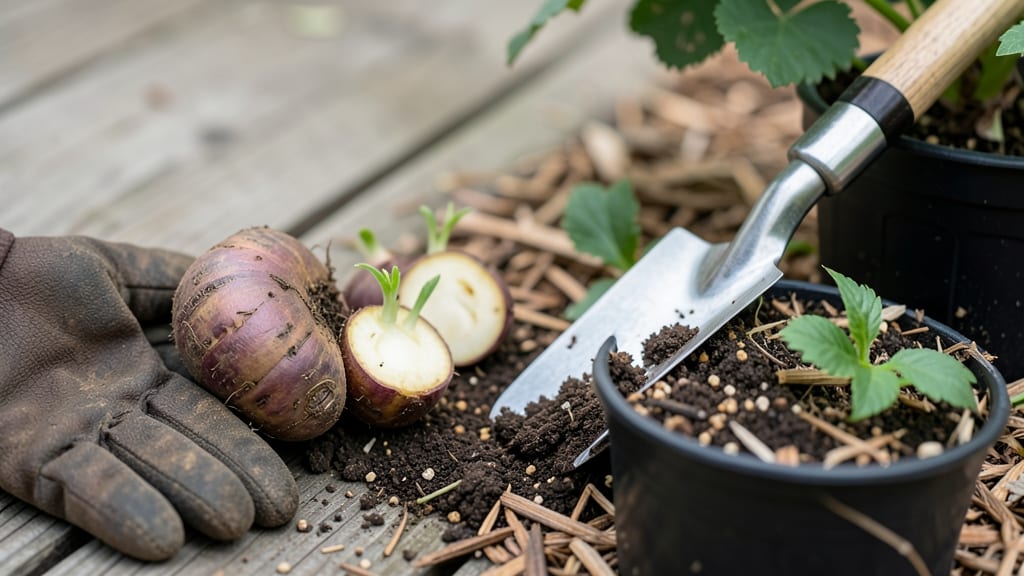
If you’ve ever dreamed of a Vermont garden bursting with 🌸 dahlias but feared late frosts would ruin your plans, when to plant dahlias in Vermont is your secret weapon. Planting these showstopper blooms at the right moment—after the last frost—transforms a risky gamble into a guaranteed summer spectacle.
Vermont’s USDA Zones 5-6 offer a narrow window for success, but with the right strategy, you can extend your dahlias’ glory from July through October. The key? Understanding your microclimate, preparing soil early, and knowing when to shield tender shoots from Vermont’s infamous late frosts.
I’ll walk you through the exact planting timeline, from tuber prep to frost-proofing, so you can enjoy vibrant blooms—no matter where in Vermont you garden. Let’s turn your dahlia dreams into reality, one frost-free day at a time.
Ready to dive in? You’ll learn how to time your planting for zero frost risk, plus pro tips to beat Vermont’s climate curve and keep those flowers thriving all season long.
Vermont’s frost-free planting zones: when to plant dahlias by region
Vermont’s diverse microclimates mean your dahlia planting dates could vary by 2-3 weeks depending on where you live. The Chittenden County region (Burlington) typically sees its last frost around May 15, while Windham County (Brattleboro) often waits until May 25.
These differences matter because dahlias hate frost—even a light freeze can kill emerging shoots.
For zero-frost-risk planting, aim to wait 4-6 weeks after your area’s average last frost date. This gives your tubers time to sprout indoors (starting in April) and ensures they’re ready to thrive once planted.
In Zone 4 areas like northern Vermont, this might mean planting as late as June 1—but don’t panic! With the right cold protection, you can still get blooms.
Here’s how Vermont’s regions break down for dahlia planting windows, based on UVM Extension data and 2023-2024 frost records. Use this as your planting compass to avoid frost-related heartbreak.
If you’re in a Zone 4 area like St. Johnsbury or Barre, don’t rush to plant! Dahlias need soil temperatures above 60°F to thrive. Use a soil thermometer to check—if it’s cooler, wait.
For early blooms, start tubers indoors in late March under grow lights, then transplant after your safe window opens.
Pro tip: Late varieties (like 'Café au Lait' or 'Karma Choc') are more frost-tolerant and better suited for northern Vermont. These can handle cooler soils and still produce stunning blooms by mid-July.
Pair them with black plastic mulch to warm the soil faster—this can shave 1-2 weeks off your planting timeline!
For container gardening in Vermont, plant dahlias in large pots (18"+ diameter) and move them to protected spots (like a sunroom) if frost threatens. Containers warm up faster than ground soil, giving you a 2-week head start in Zone 4 areas.
Just remember: drainage is critical—dahlias rot in soggy soil!
Track your local frost dates using the National Weather Service or UVM Extension’s frost calendar. In 2023, Burlington saw a late frost on May 28, while Brattleboro had no frost after May 25.
These anomalies prove why flexibility is key—always have row covers ready for late surprises.
Once you’ve nailed your planting window, focus on soil prep. Dahlias love rich, well-draining soil with compost worked in to a depth of 12 inches. Add a slow-release fertilizer (like 10-10-10) at planting to give your tubers a nutrient boost as they establish roots.
🌸
Step-by-step timeline: from tubers to blooms in Vermont’s climate
Vermont’s short growing season demands precision when planting dahlias. My step-by-step timeline ensures your tubers transition smoothly from dormancy to vibrant blooms by September. Start by chitting tubers indoors 6-8 weeks before your last frost date—typically mid-March for most of Vermont.
Once soil warms to 60°F+ (usually late May to early June), it’s time to plant. Use a soil thermometer to verify—cold soil stunts root growth.
In Zone 4 areas like St. Johnsbury, wait until June 1 for safety, while Zone 5 regions like Burlington can plant by May 20.
📅 Step-by-Step Planting Timeline
- Week 1-2 (Mid-March): Chit tubers in bright, 60°F indoor space. Place cut-side up in moist peat moss.
- Week 3-4 (Early April): Harden off tubers by moving them outdoors during the day (50°F+ only).
- Week 6 (Late April): Prepare garden beds: amend soil with compost and bone meal (1 tbsp per plant).
- Week 8 (Early May): Plant tubers 4-6 inches deep in well-draining soil. Space dwarf varieties 12 inches apart; standard types 24-36 inches apart.
- Week 10 (Mid-May): Mulch with 2-3 inches of straw to retain moisture and protect roots.
- Week 12 (Early June): Fertilize with 5-10-10 balanced fertilizer when shoots reach 6 inches tall.
- Week 16+ (July-August): Deadhead spent blooms and stake tall varieties to prevent flopping.
For Zone 4 gardeners, extend your season with cold frames or row covers. Place a clear plastic dome over newly planted tubers to trap heat—this can push your planting window 2-3 weeks earlier. Remove covers once shoots emerge to avoid overheating.
Monitor soil moisture closely after planting. Dahlias need 1-2 gallons of water per plant every 3-5 days, but Vermont’s dry spells in July may require daily watering. Use drip irrigation to keep foliage dry and prevent powdery mildew, a common issue in humid Vermont summers.
By mid-July, your dahlias should be 2 feet tall with visible buds. Pinch back the top set of leaves to encourage bushier growth and more blooms.
In late August, reduce watering slightly to harden tubers for winter storage—this prepares them for Vermont’s first frost, which typically hits by October 1.
With this timeline, you’ll enjoy 8-10 weeks of blooms—from early August to frost. Save your favorite tubers for next year by digging them up after the first frost and storing them in cool, dry conditions (40-50°F) until spring.