
Plants
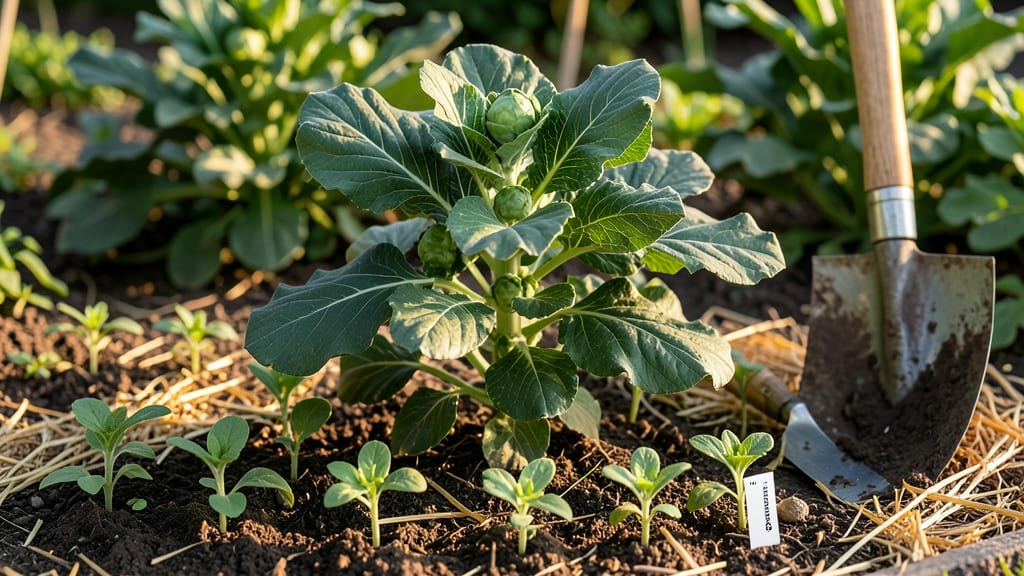
Planting Brussel sprouts 🥦 in Southern California might seem tricky—after all, most gardeners associate them with cold climates. But with the right timing, you can grow these flavorful veggies year-round in zones 9b-11, avoiding frost entirely while maximizing harvests.
The key to success lies in planting between September and October, when temperatures start cooling but before winter chill sets in. This timing ensures your plants mature just as the weather turns crisp, delivering sweeter sprouts from December through February.
Whether you're in coastal areas with milder winters or inland valleys with hotter summers, understanding your microclimate makes all the difference. I’ll break down the best planting windows, soil prep tips, and how to extend your growing season—so you can enjoy homegrown Brussels sprouts without the frost risk.
Ready to learn how to time your planting for zero-frost harvests? Let’s dive into the perfect schedule for your Southern California garden.
Southern California Brussels sprout planting zones: frost-free timing by region
Southern California’s diverse microclimates—from coastal Zone 10a to inland Zone 9b and desert Zone 9a—create unique planting opportunities for Brussels sprouts. Unlike northern climates, most of SoCal rarely sees frost, but heat stress and summer bolting are bigger threats.
The key is planting when daytime temps stay below 80°F and nights dip into the 50s°F for optimal growth.
For coastal areas like San Diego and Santa Barbara, the ideal window is late August through September, giving plants time to mature before winter rains.
Inland valleys (e.g., Los Angeles Basin) can extend planting slightly later—early to mid-October—while desert regions (e.g., Palm Springs) should focus on fall or spring to avoid extreme summer heat.
Here’s how to align your planting with Southern California’s three distinct zones, including heat-tolerant varieties that thrive outside the traditional fall window:
If you’re in Zone 10a or 11 (e.g., Malibu or Orange County), you can even try spring planting in March for a summer harvest, but use shade cloth to protect seedlings from intense sun.
The goal is to avoid bolting (premature flowering), which happens when temps exceed 85°F for prolonged periods.
For direct sowing (planting seeds outdoors), aim for 6–8 weeks before your first cool spell. In most of SoCal, this means late August for coastal areas and early September inland.
If you prefer transplanting seedlings, buy 6-week-old plants and set them out 4–6 weeks before frost risk—though frost is rare, coastal areas can see light frosts in December.
Pro tip: Use a soil thermometer to ensure soil temps are 55–65°F at planting time. Cooler soils slow germination, while warmer soils can cause leggy seedlings. In desert areas, plant in partial shade during summer months to prevent heat stress.
Remember, Brussels sprouts are cool-season crops, so their flavor peaks when exposed to cool nights (50–60°F). In Southern California, this typically aligns with fall and winter, but with the right variety and timing, you can enjoy harvests year-round—even in the desert!
🌱
Southern California Brussels sprout planting zones: frost-free timing by region
Southern California’s diverse microclimates—from coastal chill to inland heat—create unique windows for planting Brussels sprouts. Unlike northern climates, you can grow them year-round here, but fall planting yields the sweetest results.
The key is avoiding summer heat stress while capitalizing on winter’s cooler temps. Let’s break down the best planting times for your specific region.
Coastal areas (like San Diego and Santa Barbara) thrive with September-October plantings, while inland valleys (such as Los Angeles and Riverside) can start as early as August. Desert regions (like Palm Springs) benefit from late summer plantings to escape extreme heat.
Each zone has its own frost-free advantages, but timing ensures zero risk of bolting or frost damage.
| Region | USDA Zone | Best Planting Window | Harvest Window | Key Consideration |
|---|---|---|---|---|
| Coastal (San Diego, Santa Barbara) | 10a | September 15 – October 15 | December – February | Cooler nights, minimal frost risk |
| Inland Valleys (LA, Riverside) | 9b | August 1 – September 30 | October – December | Heat-tolerant varieties needed |
| Desert (Palm Springs, Coachella) | 9a | Late August – Early September | November – January | Shade cloth essential for summer |
For coastal gardeners, September-October plantings align perfectly with cooling ocean breezes, ensuring frost-free harvests by December. Inland areas can push planting to early August if using heat-resistant varieties, but avoid summer sowing—Brussels sprouts bolt when temps exceed 85°F.
Desert regions must plant late to escape peak heat, often relying on shade cloth for protection.
Pro tip: Use succession planting every 3-4 weeks in fall to stagger harvests. This works especially well in Zone 9b, where mild winters allow multiple planting rounds. For example, a September 1 planting yields harvests by December, while a October 15 planting extends into February.
If you’re in a transition zone (like Orange County), blend strategies: plant early September for winter harvests and late August for heat-tolerant varieties. Always check your local frost dates—even SoCal’s rare frost can damage young plants. Use a frost watch app to stay ahead.
Remember, soil temperature matters just as much as air temperature. Aim for 50-65°F soil temps at planting depth. Use a soil thermometer to verify—cool soil speeds germination and prevents leggy seedlings. Pair this with well-draining soil and organic matter to set your plants up for success.