
Plants
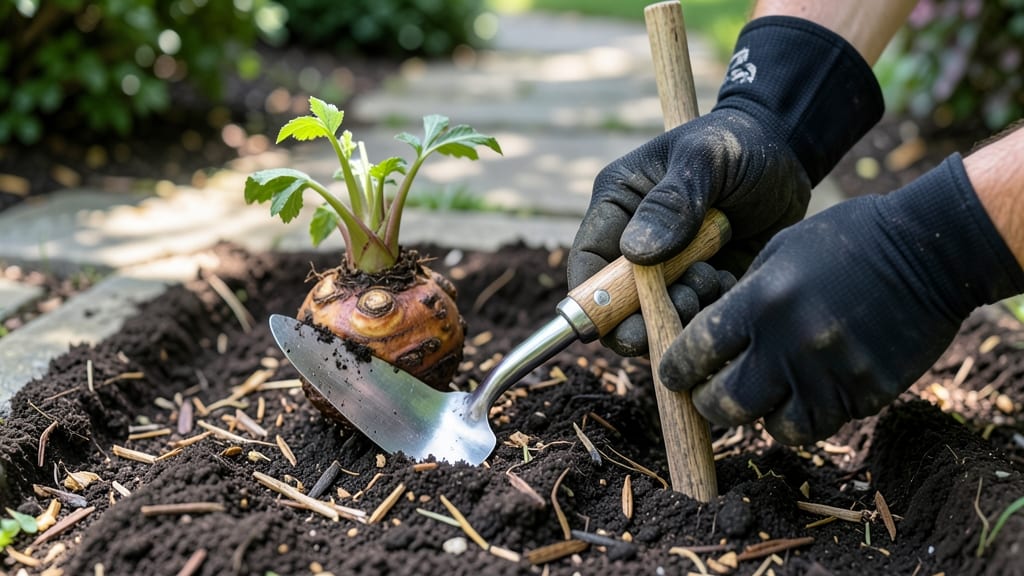
Timing your dahlias planting in Tennessee can mean the difference between a garden bursting with vibrant 🌸 blooms and a sad, frost-nipped disappointment.
The ideal window—after last frost, typically between April 15 and May 31—aligns perfectly with Tennessee’s USDA zones 6a-7b, but getting it wrong risks losing tender tubers to late chills or missing summer’s peak flowering season.
What makes this even trickier? Tennessee’s microclimates vary wildly—mountainous regions like the Smokies can stay colder longer, while flat areas near Nashville warm up faster. That’s why knowing your local frost-free date is the key to success, not just following a generic calendar.
Soil temperature matters too: dahlias won’t thrive until it hits a steady 60°F or warmer.
Here’s the good news: with the right preparation, you can beat the odds. Whether you’re planting tubers directly or starting seeds indoors, I’ll walk you through Tennessee-specific strategies to ensure your dahlias get off to a strong start.
Let’s dive into the exact timing, soil prep, and variety choices that’ll give you long-lasting, show-stopping blooms from July through October.
Ready to transform your garden? Skip the guesswork and discover how to plant dahlias at the perfect moment for your Tennessee zone—so you’re not left scrambling when the first frost warning hits. Your future bouquets will thank you.
Tennessee’s frost-free Zones and ideal dahlias planting dates by month
Tennessee spans USDA Zones 6a-7b, meaning frost dates vary dramatically—from late March in the western valleys to mid-April in the eastern highlands. For dahlias, this translates to a narrow 4-6 week window between last frost and peak summer heat.
Missing this window risks stunted growth or frost damage to tender tubers.
Most Tennessee gardeners aim to plant dahlias after April 15th, but your exact timing depends on elevation and microclimates. Mountain regions (like the Smokies) may wait until May 1st, while warmer valleys (like Nashville) can start as early as April 1st if soil temps hit 60°F consistently.
🌱
| Zone | Avg Last Frost | Ideal Planting Window | Soil Temp Requirement | Key Tip |
|---|---|---|---|---|
| 6a (East TN Mountains) | April 15-May 1 | May 1-15 | 60°F+ | Use row covers for late frosts |
| 6b (Middle TN) | April 1-May 1 | April 20-May 10 | 60°F+ | Hardening off tubers is critical |
| 7a (West TN Valleys) | March 20-April 5 | April 10-April 30 | 55°F+ | Early bloomers thrive here |
| 7b (Shelbyville) | March 15-April 1 | April 1-May 1 | 55°F+ | Longest growing season |
If you're unsure about your last frost date, use the National Weather Service's frost calculator or check with your local Cooperative Extension Service. For example, Chattanooga’s Zone 7a typically sees its last frost around April 5th, while Knoxville’s Zone 6b holds off until April 15th.
For container growers, extend your window by planting 4-6 weeks earlier in pots—containers warm up faster than garden beds. Just ensure pots have drainage holes to prevent root rot from Tennessee’s humid summers.
🌿
Pro tip: Mark your calendar for June 1st—this is when most Tennessee dahlias will need staking or caging to support their 3-6 foot stems. Early planting gives roots time to establish before the heat of July arrives.
Remember, dahlias are tender perennials—they won’t survive Tennessee winters outdoors. Plan to dig and store tubers after first frost (typically October 15-November 1) to replant next spring.
☀️
How to prepare dahlias for Tennessee’s climate: soil, sun, and frost protection tips
Tennessee’s humid summers and cool nights demand special prep for dahlias. Unlike hardy perennials, these tender tubers need well-draining soil and 6+ hours of sunlight daily to thrive.
Start by amending your garden beds with compost or aged manure—this improves drainage and prevents the root rot common in Tennessee’s clay-heavy soils.
Before planting, harden off your tubers by placing them in a cool, shaded spot for 3-5 days. This mimics Tennessee’s spring temperature swings, reducing shock when you transplant them after last frost.
For extra protection, soak tubers in a 1:10 water-to-fungicide mix to prevent dahlia rot, a fungal threat in Tennessee’s damp climate.
🌱
Late frosts in Zone 6a (like East Tennessee) can kill dahlias overnight. Use these 3 quick fixes:
- Row covers (remove by day to avoid overheating)
- Cloches (clear plastic domes over individual plants)
- Straw mulch (3-4 inches thick around the base)
🌡️ Pro Tip: Monitor temps via weather apps—dahlias die at 28°F or below.
Choose a sunny, sheltered spot—dahlias need full sun but appreciate afternoon shade in West Tennessee’s heat (Zones 7a-7b). Avoid low-lying areas where cold air pools at night.
If your garden lacks ideal sunlight, opt for dwarf varieties like ‘Mignon’ (1-2 ft tall) that tolerate partial shade better than towering types.
After planting, mulch heavily with straw or shredded leaves to retain moisture and regulate soil temps. Tennessee’s summers can swing from 90°F days to 60°F nights, stressing dahlias. Mulch also suppresses weeds, reducing competition for nutrients during their 90-day growth cycle.
💧 For the first 2 weeks, water deeply every other day to encourage root growth. Once established, aim for 1-1.5 gallons per plant in the morning to prevent fungal diseases like powdery mildew, which thrives in Tennessee’s humidity.
Drip irrigation is ideal—it delivers water at the soil level, avoiding wet foliage.
Finally, stake or cage your dahlias by June 1st to support their 3-6 foot stems. Use bamboo stakes or tomato cages—both work well in Tennessee’s loamy soil. Tie stems loosely with soft garden twine to prevent damage during summer storms.