
Flowers
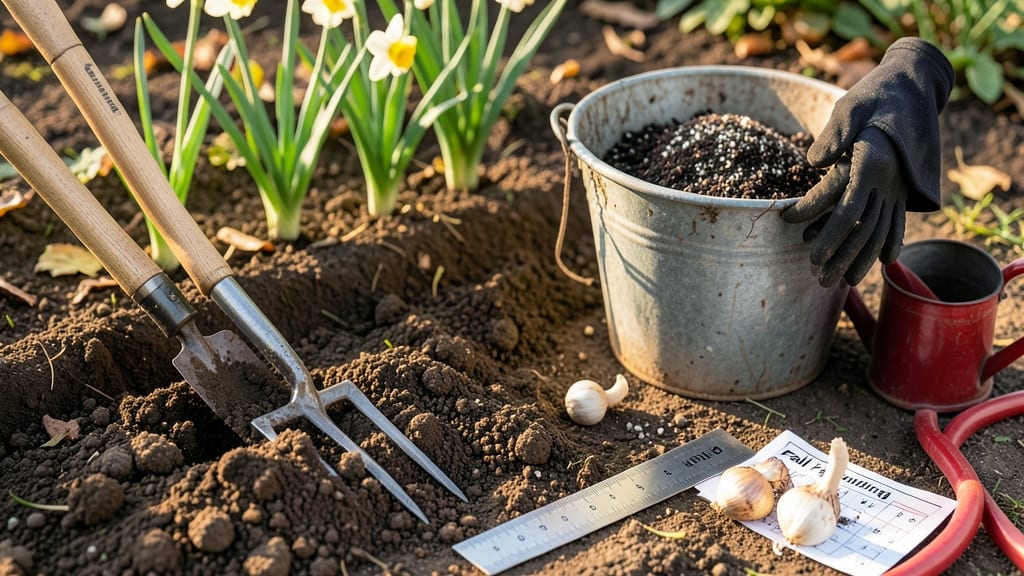
When to plant daffodil bulbs in Northern California isn’t just about picking a month—it’s about catching that sweet spot between soil warmth and winter chill. Miss the window, and your 🌼 daffodils might rot before they bloom, or worse, never show up at all. The key? Planting in October when temperatures dip below 60°F, ensuring bulbs establish roots before the first frost hits.
Why does timing matter so much in 7b-9a zones? Northern California’s microclimates—from foggy coastal areas to hot inland valleys—create wildly different conditions.
A bulb planted too early in Sacramento might sprout prematurely, only to get fried by summer heat, while coastal plantings need that extra week to avoid soggy soil. The solution? A 6-8 week buffer before frost, which for most of us means mid-October to late November.
But here’s the game-changer: soil prep. Daffodils hate soggy feet, so amend heavy clay with compost and plant on a slight slope to drain excess winter rain. And don’t forget—cooler inland areas (like the Central Valley) can plant later than coastal spots, where milder temps extend the window.
Let’s break down exactly how to nail this for your specific corner of the state.
Ready to transform your yard into a springtime explosion of color? I’ll walk you through the perfect planting schedule, soil tricks, and even how to outsmart squirrels—because even the best-laid plans need a backup. Let’s get those bulbs in the ground the right way.
Optimal Northern California planting dates by microclimate (2024 guide)
Northern California’s diverse climate—from foggy coastal areas to hot inland valleys—means daffodil planting dates can vary by 3-4 weeks. The key is planting 6-8 weeks before your region’s first hard frost, typically between mid-October and late November.
Coastal zones like San Francisco have later frost dates, while Sacramento’s inland heat demands earlier prep.
For USDA zones 7b-9a, aim to plant when soil temps drop below 60°F—a signal that bulbs won’t rot before winter. Use your local frost date as your deadline: subtract 6 weeks to lock in your planting window.
For example, if frost hits January 15 in your area, plant by December 1.
Here’s how to align your planting with Northern California’s microclimates—each with its own frost timeline and soil conditions:
| Region | USDA Zone | Ideal Planting Window | Soil Temp Goal | Key Notes |
|---|---|---|---|---|
| San Francisco Bay Area | 9a | October 15–30 | 55–60°F | Cooler soils; wait for fog lift |
| Sacramento Valley | 9b | October 1–15 | 60–65°F | Warmer soils; plant earlier |
| North Coast (Mendocino) | 8a | November 1–15 | 50–55°F | Later frost; extend window |
| Central Coast (Santa Barbara) | 10a | November 15–December 1 | 58–62°F | Mild winters; plant later |
Adjust your planting date if unusually warm or cold fall weather hits. Check your local weather forecasts for soil temperature trends—bulbs need cooler soils to establish roots before winter. Use a soil thermometer ($10 at garden centers) to confirm readiness.
For container gardening in Northern California, plant 2-3 weeks earlier than in-ground dates. Pots heat up faster and dry out quicker, so bulbs need extra time to root. Choose terracotta or fabric pots with drainage holes to mimic ground conditions.
Pro tip: Plant taller varieties (e.g., 'Ice Follies') in cooler, coastal areas where they won’t flop in summer heat. Shorter types like 'Tête-à-Tête' thrive in inland zones with their compact growth.
Miss the window? You can still plant in early December, but expect smaller blooms next spring. Bulbs planted after January 1 may not flower at all due to insufficient root growth.
🌼
How to prepare daffodil bulbs for Northern California’s unique climate challenges
Northern California’s microclimates—from coastal fog belts to inland heat valleys—create unique challenges for daffodil bulbs. Without proper prep, your bulbs risk rot, stunted growth, or even failure to bloom. The key is soil prep, drainage, and frost protection tailored to your specific zone.
Start by testing your soil pH—daffodils thrive in neutral to slightly acidic soil (6.0-7.0). If your soil is too alkaline (common in Sacramento’s clay-heavy areas), amend it with compost or peat moss to improve drainage and nutrient absorption.
A simple DIY pH test kit costs under $10 and saves hours of guesswork.
Next, focus on bulb quality and placement. Choose firm, plump bulbs with no soft spots—these are less likely to rot in cooler, wetter coastal areas.
For inland zones (e.g., Sacramento Valley), opt for drought-tolerant varieties like ‘Tête-à-Tête’ or ‘Ice Follies,’ which handle hotter, drier winters better than traditional types.
Plant bulbs 6-8 inches deep and 4-6 inches apart, with the pointy end up. In USDA Zone 7b (e.g., Napa Valley), add a 2-inch layer of mulch (straw or shredded leaves) to insulate bulbs from early frosts.
For Zone 9a (coastal areas)protect from wind, which can dry out soil and stress new roots.
Finally, avoid planting in low-lying areas where cold air pools. Even in mild coastal zones, a frost pocket can delay blooming by weeks. Elevate beds slightly or plant on south-facing slopes to capture warmth. With these prep steps, your daffodils will thrive through Northern California’s unpredictable winters.
Pro tip: If squirrels are a problem (common in urban gardens like Berkeley), plant bulbs in wire mesh cages or use daffodil-specific repellents like hot pepper spray. A little extra effort now means zero-frost blooms next spring! 🌼