
Plants
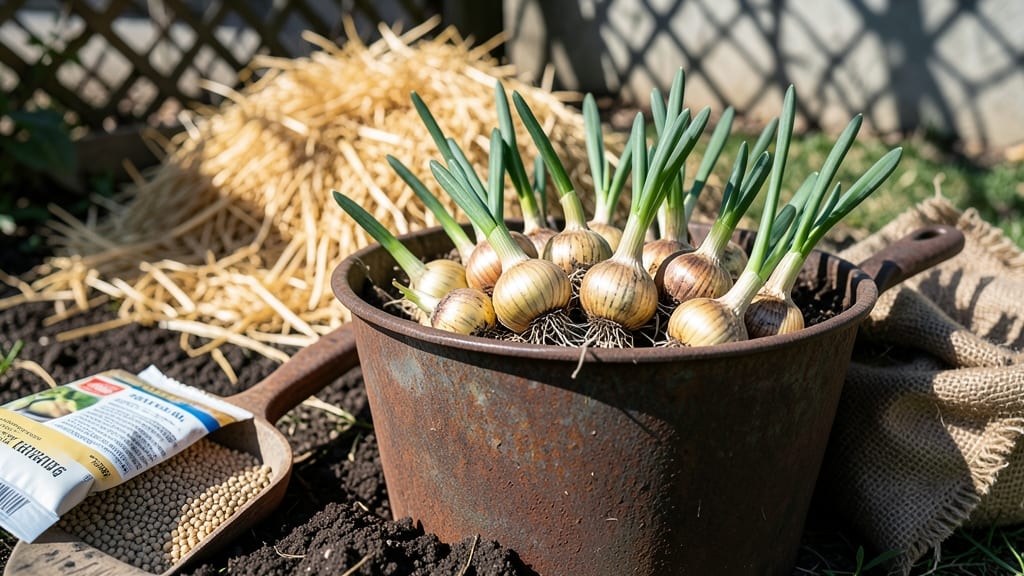
Planting your daffodil bulbs at the wrong time in California could mean waiting years for those cheerful 🌼 blooms—or never seeing them at all. The Golden State’s wild mix of coastal chill and inland heat makes timing everything, and getting it right unlocks a spring garden bursting with color.
Whether you’re in foggy Zone 9b or sunbaked Zone 7b, the best months to plant shift dramatically. Skip the guesswork and learn the exact windows—like October through December for most regions—that set your bulbs up for success, even when winter rains or early frosts complicate things.
I’ll break down the key differences between planting in Northern California’s wetter climate versus Southern California’s dry stretches, so you can match your schedule to your microclimate. With the right timing, you’ll enjoy vibrant blooms from March to May—no more missed opportunities!
Ready to transform your yard into a springtime showstopper? Let’s dive into the perfect planting strategy tailored just for California gardeners.
California’s microclimate zones: when to plant daffodil bulbs by region
California’s diverse climate—from coastal fog belts to inland deserts—means daffodil planting windows vary dramatically. In Northern California, cooler temperatures and winter rains create ideal conditions for fall planting, while Southern California’s mild winters allow for extended planting through early winter.
Even the Central Coast has its own rhythm, balancing Mediterranean influences with coastal moderation.
To succeed, align your planting with your USDA hardiness zone and local frost patterns. For example, Zone 7b (common in inland areas like Sacramento) has earlier frosts than Zone 9b (coastal regions like San Francisco).
Missing the window can leave bulbs vulnerable to rot or failed blooms—so let’s break it down by region to ensure your daffodils thrive.
Here’s a region-specific planting guide tailored to California’s microclimates, including optimal months, soil prep tips, and frost risk factors to help you plant with confidence.
| Region | USDA Zone | Best Planting Window | Key Considerations |
|---|---|---|---|
| Northern California (e.g., Sacramento, Redding) | 7a-7b | October 15 – November 15 | Cooler temps; plant 6-8 weeks before first frost (avg. Nov 15). Use well-draining soil to prevent rot from winter rains. |
| Central Coast (e.g., Monterey, Santa Barbara) | 9a-9b | November 1 – January 15 | Mild winters; extend planting into early winter. Watch for light frosts (rare but possible). Ideal for dwarf varieties. |
| Southern California (e.g., Los Angeles, San Diego) | 10a-10b | December 1 – February 15 | Warm winters; plant anytime in mild conditions. Prioritize shade in summer to protect bulbs from heat stress. |
| Coastal Fog Zones (e.g., San Francisco, Santa Cruz) | 9b-10a | November 1 – January 31 | Foggy, damp winters; plant in raised beds if soil is heavy clay. Avoid overwatering—fog provides moisture. |
🌼 Pro Tip: Use a soil thermometer to ensure bulbs are planted when soil temps are below 60°F.
In Northern California’s Zone 7b, where frosts arrive earlier, aim to plant by mid-November to give bulbs time to establish roots before winter. The cooler, wetter climate here is ideal for traditional daffodil varieties like ‘Ice Follies’ or ‘Tête-à-Tête’, which thrive with winter rains.
Just ensure your soil drains well—waterlogged bulbs rot.
Meanwhile, Southern California’s Zone 10b offers a 6-month planting window, from December through May. This extended period lets you experiment with late-blooming varieties like ‘Papillon’ or ‘Minnow’, which flourish in the mild winters.
However, summer heat can stress bulbs, so plant in shadier spots or use mulch to retain moisture.
The Central Coast’s Mediterranean climate (Zones 9a-9b) strikes a balance, allowing planting from November to January. Here, light frosts are rare, but coastal winds can dry out soil. Amend clay soils with compost or sand to improve drainage, and consider windbreaks to protect emerging shoots.
For coastal fog zones like San Francisco, where humidity is high year-round, focus on well-draining soil and raised beds if your native soil is heavy. The foggy conditions reduce evaporation, so you’ll need to water less frequently than inland areas—but still monitor for fungal diseases like bulb rot.
Regardless of your region, avoid planting in summer—daffodil bulbs need cool soil temps to root properly. If you miss the fall window, wait until early winter (January-February) in milder zones. And remember: bulb depth matters—plant them twice as deep as their height for stability and frost protection.
🌱
California’s microclimate zones: when to plant daffodil bulbs by region
California’s diverse climates mean your daffodil bulbs need region-specific timing. Coastal areas like San Francisco (Zone 9b) enjoy mild winters, while inland Sacramento (Zone 7b) faces frost risks. Planting too early or late can leave your bulbs vulnerable to rot or dormancy—so let’s match your location to the perfect window.
The ideal planting months for most of California fall between October and December, but milder zones like Los Angeles (Zone 10a) can plant as late as January or February.
The key is to plant 6-8 weeks before your first frost—or anytime in frost-free zones. Let’s break down the best times for your area.
🌼 Best Planting Times for Daffodils by California Region
| Region | USDA Zone | Best Planting Window | Key Considerations |
|---|---|---|---|
| Northern California (Sacramento, Redding) | 7b-8a | October 15 – November 15 | Cooler winters; plant before first frost (Nov 15). |
| Central Coast (Santa Barbara, Monterey) | 9a-10a | November 1 – December 15 | Mild winters; avoid winter rains that cause rot. |
| Southern California (Los Angeles, San Diego) | 10a-11 | December 1 – February 15 | Frost-free; plant anytime soil temps stay above 50°F. |
| Desert Regions (Palm Springs, Joshua Tree) | 8b-10a | November 1 – December 31 | Dry soil; water deeply after planting to encourage root growth. |
If you’re in Zone 7b or colder, prioritize planting by November 15 to avoid frost damage. In coastal Zone 9b-10a, you’ve got flexibility until January, but aim for December to give roots time to establish before spring rains arrive.
Pro tip: Test your soil—clay-heavy areas need amended soil to prevent bulb rot.
For container gardening, the rules relax slightly. You can plant daffodils in pots from October through March in milder zones, but ensure pots have drainage holes and use a lightweight potting mix. Containers warm up faster, so monitor moisture closely in Southern California’s sun.
One common mistake? Planting too shallow or too deep. Aim for 6-8 inches deep—twice the bulb’s height—and space them 4-6 inches apart. This ensures roots have room to spread while keeping the foliage upright for spring blooms.
Mulch with 2-3 inches of straw after planting to regulate soil temperature and retain moisture.
Remember, daffodils thrive in full sun, so choose a spot with 6+ hours of sunlight daily. In shady areas, blooms may be smaller or delayed.
With the right timing and care, your 🌼 daffodils will reward you with vibrant color from March to May—just in time for California’s spring beauty parade!