
Plants
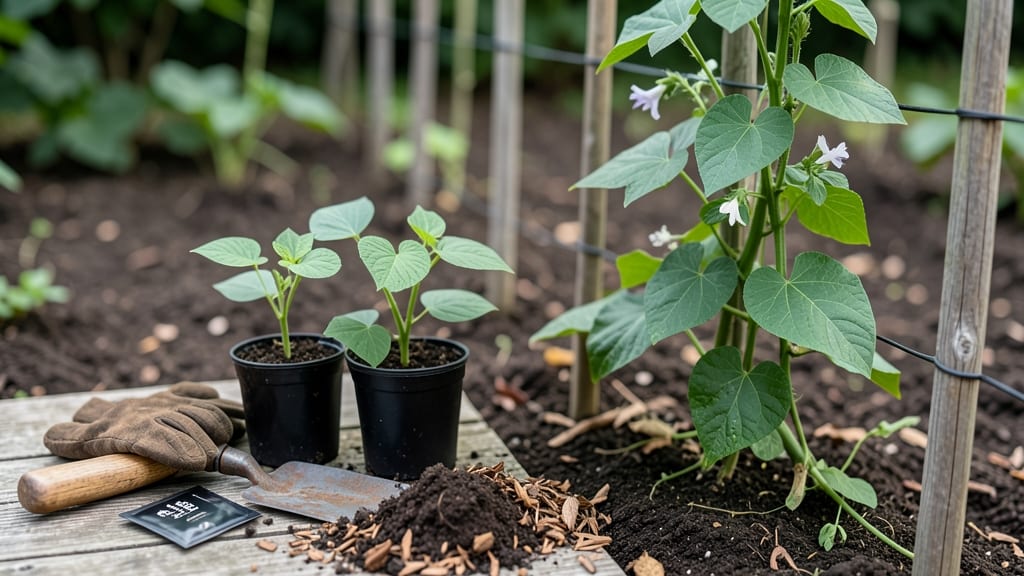
Timing your green bean 🌱 planting in Southern California isn’t just about the calendar—it’s about dodging the desert’s heat spikes and coastal fog delays that can turn your harvest into a gamble.
With USDA zones 9b-11 offering year-round growing potential, most gardeners miss the two sweet spots where beans thrive: early spring’s mild soil and late summer’s cooling breezes.
Plant too early, and your seeds may rot in chilly coastal soils; too late, and summer’s 100°F+ afternoons will stunt germination before it starts. The key? Knowing your microclimate—whether you’re in frost-free San Diego or the inland valleys where even December can bring a surprise freeze.
I’ve grown green beans 🌱 in SoCal for years, and the difference between a bumper crop and a sad harvest comes down to these two windows: February-March for spring beans and August-September for fall. But here’s the twist: soil temperature matters more than the date on your calendar.
Let me walk you through the exact weeks to plant—plus how to tweak your approach for coastal fog, desert heat, or valley chill. By the end, you’ll know when to pop those seeds in the ground for a harvest that’s crisp, abundant, and stress-free.
Southern California green bean planting zones: coastal vs desert vs valley timelines
Southern California’s microclimates create dramatic differences in green bean success. Coastal areas like Santa Barbara stay mild year-round, while Coachella Valley can hit 110°F+ in summer. Even Los Angeles varies between USDA Zone 9b (coastal) and Zone 11 (inland).
For zero-frost risk, focus on two planting windows: late winter (February–March) for spring harvests and late summer (August–September) for fall crops. The key is matching your local last frost date (even though SoCal rarely sees frost, heat stress is the real enemy).
Here’s how to pinpoint your exact planting weeks based on your region’s climate patterns:
| Region | Best Planting Window | Soil Temp for Germination | Heat Tolerance Threshold | Harvest Window |
|---|---|---|---|---|
| Coastal (Santa Barbara, LA Coastal) | Feb 15–Mar 15 (spring) Aug 15–Sep 15 (fall) |
60–75°F | Up to 95°F (with shade) | May–June (spring) Oct–Nov (fall) |
| Inland Valleys (San Fernando, Antelope) | Feb 1–Mar 10 (spring) Aug 1–Aug 15 (fall) |
65–80°F | Up to 100°F (with mulch) | Apr–May (spring) Sep–Oct (fall) |
| Desert (Coachella Valley, Palm Springs) | Jan 15–Feb 10 (spring) Aug 1–Sep 5 (fall) |
70–85°F | Up to 105°F (shade + drip irrigation) | Mar–Apr (spring) Sep–Oct (fall) |
| San Diego (Coastal) | Feb 10–Mar 20 (spring) Aug 10–Sep 10 (fall) |
60–75°F | Up to 90°F (afternoon shade) | May–June (spring) Oct–Nov (fall) |
For coastal areas, aim for February 15–March 15 to avoid the June Gloom humidity that encourages fungal diseases. Inland valleys should plant 1–2 weeks earlier to escape summer’s brutal heat, while desert regions benefit from January–February starts when nights stay cool.
Pole beans handle heat slightly better than bush varieties, thanks to their vertical growth escaping ground-level heat. If your area hits 100°F+, opt for ‘Blue Lake’ or ‘Contender’ pole beans and use shade cloth (30–50%) during peak afternoon sun.
Soil temperature is critical—green beans won’t germinate below 60°F or above 90°F. Test your soil with a thermometer at 2-inch depth before planting. Coastal gardeners may need to mulch heavily to warm soil in early spring, while desert gardeners should plant deeper (1.5 inches) to escape surface heat.
Remember: Succession planting every 2 weeks after your initial date ensures a continuous harvest. In SoCal’s climate, this means 4–5 planting batches per season—spring and fall both.
🌿
How to extend your green bean harvest season in Southern California’s climate
Southern California’s 100°F+ summers and marine layer fog create unique challenges for green bean growers. But with the right strategies, you can enjoy fresh beans from spring through fall. The key? Succession planting, shade solutions, and soil prep tailored to your microclimate.
Unlike cooler climates, SoCal’s year-round growing potential means you can plant green beans twice a year—once in early spring and again in late summer. The trick is timing these plantings to avoid heat stress (which stunts growth) and soil-borne diseases that thrive in summer’s humidity.
Let’s break down how to maximize your harvest.
Here’s what you need to know to keep your green beans thriving through Southern California’s extreme temperature swings. Start with soil preparation—amend your beds with compost and aged manure to improve drainage and fertility.
Aim for a pH of 6.0–7.0, as green beans prefer slightly acidic to neutral soil.
🌱 Proven Strategies for Year-Round Green Beans
- 1. Plant in Stages: Sow seeds every 2 weeks from February to March for a spring harvest. Repeat in August–September for a fall crop before summer heat peaks.
- 2. Use Shade Cloth: Deploy 30–50% shade cloth during June–August to protect plants from 100°F+ temperatures. Remove it by September to restore full sun for fall growth.
- 3. Mulch Heavily: Apply 3–4 inches of mulch (straw or wood chips) to retain moisture and keep roots 10–15°F cooler during summer heatwaves.
- 4. Choose Heat-Tolerant Varieties: Opt for ‘Contender’ or ‘Blue Lake’ varieties, which handle 90°F+ temps better than traditional types.
- 5. Water Deeply in AM: Soak soil 6–8 inches deep every 2–3 days in spring/fall, and 3–4 days in summer. Avoid wetting foliage to prevent fungal diseases.
For coastal areas (like San Diego or Santa Barbara), the marine layer can delay summer heat, giving you a 3–4 week extension for spring plantings. Monitor local high-temperature forecasts—if your region hits 95°F+ consistently, shift your fall planting to early August instead of late August.
Inland valleys (e.g., Coachella Valley or San Fernando Valley) experience hotter, drier conditions, so focus on shade cloth and drip irrigation to prevent moisture stress.
Test your soil’s moisture retention—if it dries out in 24 hours, amend with organic matter or use hydrogel crystals to lock in water.
Pro tip: Harvest every 2–3 days to encourage continuous production. Green beans are self-pollinating, so frequent picking prevents pods from toughening and ensures a steady supply. Pair your harvest with compost tea every 4 weeks to boost nutrient uptake during peak growth.
With these techniques, you’ll turn Southern California’s climate challenges into a year-round green bean bonanza. Start small—try one 2-week succession planting this season—and watch your harvest stretch from spring to fall. 🌿