
Planting
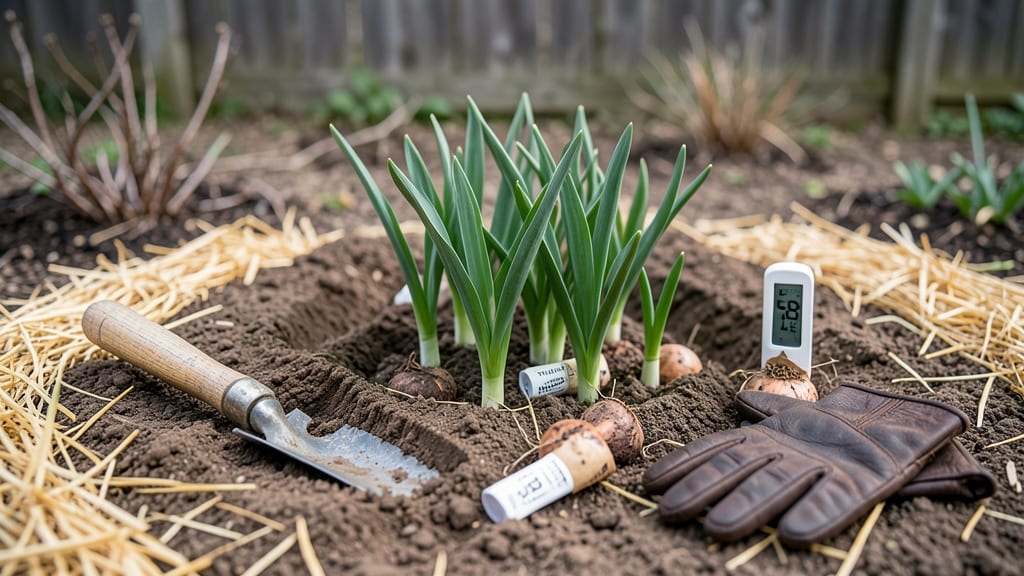
Timing your spring bulb planting just right can mean the difference between vibrant blooms and weak, underdeveloped roots—here’s how to get it perfect every time. Most gardeners assume spring planting means waiting until the last frost, but the truth is more nuanced.
In USDA Zone 6, where I garden, the ideal window opens 6-8 weeks before the average April 15 frost date, giving bulbs time to establish roots before summer heat arrives.
Why does this matter? Because bulbs like tulips and daffodils need consistent moisture and cool soil to grow strong roots—something they struggle with if planted too late. The key is understanding your local frost patterns and soil temperature trends.
For example, southern regions can plant earlier than northern areas, while high-altitude gardens may need to wait longer.
In this guide, I’ll break down exactly when to plant spring bulbs based on your region, plus soil prep tips and common mistakes to avoid. Whether you’re a beginner or a seasoned gardener, these insights will help you maximize your blooms next spring. Let’s get those 🌱 planted right!
You’ll also discover how to tell if your bulbs are ready for planting, how deep to bury them, and when to fertilize for the best results. No more guessing—just science-backed timing for a garden that pops with color. Ready to dig in?
Exact weeks before last frost for spring bulb planting by region
Spring bulb planting isn’t just about waiting for warm weather—it’s about giving bulbs enough time to establish roots before the ground freezes. Most gardeners assume spring is the only window, but the truth is, fall planting yields stronger blooms.
However, if you missed that boat, spring planting can still work with precise timing tied to your last frost date. Let’s break down the exact weeks before frost when bulbs like tulips and daffodils should hit the soil for optimal success.
Your USDA hardiness zone dictates the ideal planting window. For example, in Zone 5 (average last frost: April 15), you’d aim to plant bulbs 6-8 weeks before frost, landing you in early March.
Meanwhile, in Zone 8 (average last frost: February 15), you have a longer window—planting in late January or early February works perfectly. The key is ensuring bulbs have 4-6 weeks of root growth before the ground freezes.
Here’s the science behind the timing: Bulbs need 40-50°F soil temperatures to sprout roots. If planted too late, roots won’t establish before frost, leaving bulbs vulnerable to rot.
Conversely, planting too early in cold climates can cause premature sprouting, which weakens the bulb. Balance is everything—and your region’s frost date is your guide.
🌱
| USDA Zone | Average Last Frost | Planting Window (Weeks Before Frost) | Ideal Planting Month |
|---|---|---|---|
| Zone 3 | May 15 | 8-10 weeks | Early March |
| Zone 4 | May 1 | 7-9 weeks | Late February |
| Zone 5 | April 15 | 6-8 weeks | Early March |
| Zone 6 | April 1 | 5-7 weeks | Mid-February |
| Zone 7 | March 15 | 4-6 weeks | Late January |
| Zone 8 | February 15 | 3-5 weeks | Early January |
🌡️ Pro Tip: Check your local almanac or weather service for precise frost dates—every region varies!
If you’re in a warmer climate (Zones 9-11), spring planting is trickier because bulbs may sprout too early. In these areas, opt for late-winter planting (January-February) and use shade cloth to delay sprouting until soil warms.
For cooler zones, March is your sweet spot, but don’t wait until April—bulbs planted after the last frost risk poor root development.
Soil temperature is just as critical as frost dates. Use a soil thermometer to confirm temps are above 50°F before planting. Cold soil can stunt root growth, even if the air is warm.
If your soil is still chilly, hold off until conditions improve—your bulbs will thank you with stronger stems and bigger blooms.
One common mistake? Assuming all bulbs follow the same timeline. Daffodils and alliums are more forgiving than tulips, which need precise timing. Tulips, in particular, benefit from chilling in fall, so spring-planted tulips may bloom later or produce fewer flowers.
If you’re planting tulips in spring, choose spring-blooming varieties like ‘Darwin Hybrid’ tulips, which adapt better to off-season planting.
Finally, don’t overlook container planting for late bloomers. Potted bulbs give you flexibility—plant them in early spring and move containers to a protected spot if frost threatens. Just ensure pots have drainage holes to prevent rot, and use a lightweight potting mix to avoid soggy soil.
With the right timing, even spring-planted bulbs can deliver stunning displays. The secret? Plan ahead, monitor soil temps, and give those bulbs the root establishment time
Best spring bulbs to plant and their ideal planting windows
Spring bulbs like tulips, daffodils, and hyacinths thrive when planted at the right time, but their ideal windows vary. Most gardeners assume spring planting is a one-size-fits-all approach, but climate zones and bulb types change everything.
For example, daffodils (hardy and resilient) can handle early spring planting, while tulips prefer slightly warmer soil to avoid rot. Let’s break down the best planting windows for popular spring bulbs and how your region affects timing.
First, know that fall planting is ideal for most bulbs—it gives roots time to establish before winter. However, spring planting works for bulbs like crocus and alliums, which tolerate cooler soil.
If you missed fall, don’t worry: early spring (as soon as the ground is workable) is your next best shot. The key is planting 6-8 weeks before your last frost date to ensure roots have time to grow before summer heat sets in.
🌱 Did You Know? Daffodils and hyacinths are the most forgiving spring-planted bulbs—they’ll often bloom the same year if planted early enough. Tulips, however, may need an extra year to establish before flowering. Always check your USDA zone for precise timing!
| Bulb Type | Ideal Spring Planting Window | Notes |
|---|---|---|
| Daffodils (Narcissus) | Early spring (as soon as soil thaws) | Hardy; blooms same year if planted early |
| Tulips (Tulipa) | Late spring (after last frost, soil at 50°F) | Needs warmer soil; may take 2 years to bloom |
| Hyacinths (Hyacinthus) | Early to mid-spring (soil 50-55°F) | Fragrant; prefers well-drained soil |
| Alliums (Ornamental Onions) | Late spring (after frost risk passes) | Drought-tolerant; great for pollinators |
| Crocus (Crocus vernus) | Early spring (soil 40-45°F) | One of the first bulbs to bloom |
For northern climates (USDA Zones 3-5), aim to plant by mid-April to give bulbs enough time to root before summer. In southern zones (6-10), you can plant as early as February, but avoid planting too soon—cool soil can cause rot.
Always test your soil temperature with a thermometer (ideal range: 50-60°F for most bulbs).
Pro tip: Pre-soak bulbs for 1-2 hours before planting if your soil is dry. This jumpstarts root growth and reduces transplant shock. After planting, water deeply and mulch with 2-3 inches of compost to retain moisture. Avoid overwatering—soggy soil is the #1 killer of spring-planted bulbs.
If you’re in a warmer microclimate (like a low-lying area), opt for shade-tolerant bulbs like grape hyacinths or woodland phlox. These handle heat better and still deliver stunning blooms.
For containers, choose smaller bulbs like miniature daffodils or tulip species—they thrive in pots and can be moved to extend their lifespan.
Remember, patience is key with spring-planted bulbs. While some may bloom the first year, others need time to build energy reserves. Next spring, you’ll be rewarded with bold, vibrant blooms that brighten up your garden—no waiting required! 🌷