
Plants
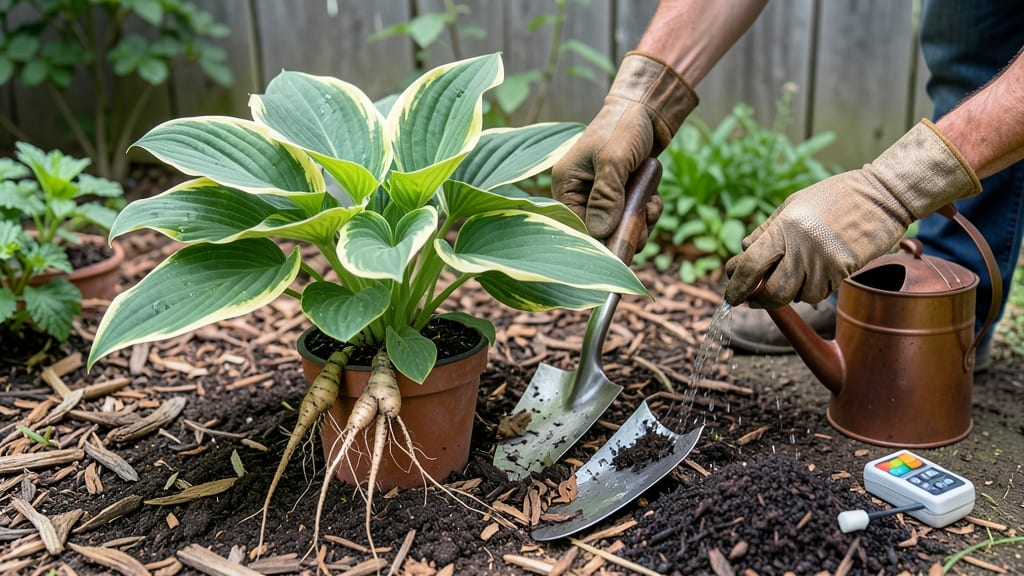
If you've ever wondered when to plant hosta bulbs in Zone 9, timing is everything—especially when frost isn't a factor but heat and humidity can be. Unlike true bulbs, hostas grow from rhizomes, and planting them at the wrong time can lead to stress or poor establishment.
The key lies in balancing soil warmth and moisture, which is why late summer to early fall is your best bet.
Zone 9's warm climate means you don’t have to worry about freezing temperatures, but that doesn’t mean you can plant anytime. The ideal window—August through October—gives hosta rhizomes time to root before summer’s peak heat.
This is when soil stays warm enough to encourage growth while still retaining moisture, setting your hostas up for lush, vibrant foliage come spring.
But here’s the catch: planting too early in summer can stress young rhizomes, while waiting until late fall might leave them vulnerable to sudden temperature swings. I’ll break down the exact steps to prep your soil, choose the right location, and ensure your hostas thrive without the guesswork.
Let’s get those 🌿 hostas growing strong in your garden.
Whether you’re a first-time gardener or a seasoned pro, mastering this timing will make all the difference. You’ll learn how to adjust for containers, ground planting, and even microclimates in your area. Ready to transform your shade garden? Let’s dive in.
Best months to plant hosta bulbs in Zone 9 for maximum growth
First, let’s clear up a common misconception: hostas don’t grow from bulbs—they spread via rhizomes (thick, horizontal roots). If you’re planting hostas in Zone 9, you’re likely working with bare-root divisions or potted plants, not traditional bulbs.
This distinction matters because rhizomes thrive in warm soil but need time to establish roots before summer’s peak heat arrives.
Zone 9’s frost-free climate means you have flexibility, but timing still matters. The ideal window is late summer to early fall (August through October), when soil stays warm but temperatures begin cooling slightly. This gives rhizomes 6–8 weeks to root before winter’s mild dormancy period.
Planting too early (June) risks heat stress, while waiting until November may leave them vulnerable to winter rains or fungal issues.
For coastal Zone 9 gardens, where humidity is higher, aim for early August to avoid summer’s oppressive heat. Inland areas with hotter, drier summers can extend planting until mid-October, as long as soil temps stay above 60°F.
Use a soil thermometer to confirm—hosta rhizomes need warm soil (65–75°F) to root successfully.
Here’s the golden rule: Plant when your local average highs drop below 90°F but before first rains of fall (usually October in most of Zone 9).
This balances root establishment with disease prevention. Pro tip: If your area has unpredictable rains, prioritize well-draining soil to avoid rhizome rot.
| Planting Window | Soil Temp | Zone 9 Microclimate | Risk if Planted |
|---|---|---|---|
| June–July | 70–90°F | Inland (hot/dry) | Heat stress, shallow roots |
| August–September | 65–75°F | Coastal (humid) | Optimal growth, minimal risk |
| October–November | 60–68°F | All Zone 9 | Slow establishment, fungal risk |
🌱 Best Months for Zone 9: August–September
If you’re planting bare-root hosta divisions, soak the rhizomes in lukewarm water for 1–2 hours before planting to rehydrate them. Plant with the eyes (growth points) facing upward and 2–3 inches deep, covering the crown with 1 inch of soil.
This depth prevents heat damage while allowing roots to spread freely. In containers, use a fast-draining mix (50% potting soil, 30% perlite, 20% compost) to mimic Zone 9’s well-aerated native soils.
After planting, water deeply to settle soil around the rhizomes, then maintain 1 inch of mulch (straw or shredded bark) to retain moisture and regulate soil temps. Avoid organic mulches like wood chips—they can mat and trap too much moisture in Zone 9’s humid pockets.
Instead, opt for inorganic mulches (gravel or rubberized bark) for better airflow.
Zone 9’s variable microclimates mean your neighbors might have different success stories. For example, Los Angeles’ coastal areas can plant hostas as late as October, while Phoenix’s inland heat demands August planting.
Check your local USDA Zone 9a/9b designation—9a (20–25°F min temps) has slightly more flexibility than 9b (25–30°F min temps) for late-season planting.
One critical mistake gardeners make in Zone 9 is overwatering after planting. Hostas are drought-tolerant once established, but fresh rhizomes need consistent moisture without being waterlogged.
Aim for deep watering 2–3 times per week until new growth appears (usually 4–6 weeks), then taper to weekly deep watering. Use a moisture meter to avoid guesswork—hosta rhizomes rot at soil moisture above 60%.
For container-grown hostas, adjust your timeline slightly earlier (late July) to account for faster soil drying in pots. Containers also heat up quicker, so pre-cool the soil by shading pots with burlap or shade cloth during the hottest part of the day.
If you’re planting in full sun, choose blue or variegated hosta varieties—they tolerate more light than solid-green types, which can scorch in Zone 9’s intense summer rays.
Finally, fertilize lightly 4–6 weeks after planting with a balanced 10-10-10 formula to encourage root growth. Skip high-nitrogen fertilizers—they promote leafy growth at the expense of root development, which is critical for Zone 9’s long, hot growing season.
Instead, focus on phosphorus and potassium to strengthen rhizomes for summer’s heat.
Best months to plant hosta bulbs in Zone 9 for maximum growth
First, let’s clear up a common misconception: hostas don’t grow from bulbs—they’re grown from rhizomes, which are thick underground stems. In Zone 9’s frost-free climate, timing your hosta rhizome planting is all about avoiding extreme heat stress and ensuring consistent moisture during root establishment.
For optimal growth, aim to plant hosta rhizomes between mid-August and early October. This window allows roots to establish before summer’s peak heat arrives, while still giving new plants time to settle before winter’s mild temperatures.
Coastal areas may extend this slightly into November, thanks to cooler ocean breezes.
Here’s why late summer to early fall works best: soil temperatures stay warm but not scorching, and afternoon humidity helps reduce transplant shock. If you miss this window, spring planting (March-April) is your second-best option, though growth may be slower in Zone 9’s intense summer heat.
Zone 9 Hosta Planting Timeline
| Season | Ideal Planting Window | Soil Temp Range | Key Consideration |
|---|---|---|---|
| Late Summer | Mid-August to September | 65°F–75°F | Best root establishment |
| Early Fall | October | 60°F–70°F | Cooler temps reduce stress |
| Spring | March–April | 60°F–70°F | Slower growth in summer heat |
Inland Zone 9 areas with hotter microclimates should prioritize shade protection during planting. Use mulch (3–4 inches of shredded bark) to keep rhizomes cool and retain moisture. For container-grown hostas, plant in late August to avoid summer wilting—containers dry out faster in Zone 9’s heat.
Pro tip: If you’re dividing hosta clumps, do it in early fall (September). This gives divided rhizomes time to root before winter’s mild temperatures set in. Avoid dividing in summer’s peak heat, as it stresses the plants.
Remember, hostas thrive on consistency. Whether you plant in August or March, focus on well-draining soil and partial shade to set your hostas up for lush, pest-resistant foliage in Zone 9’s challenging climate. 🌿