
Vegetables
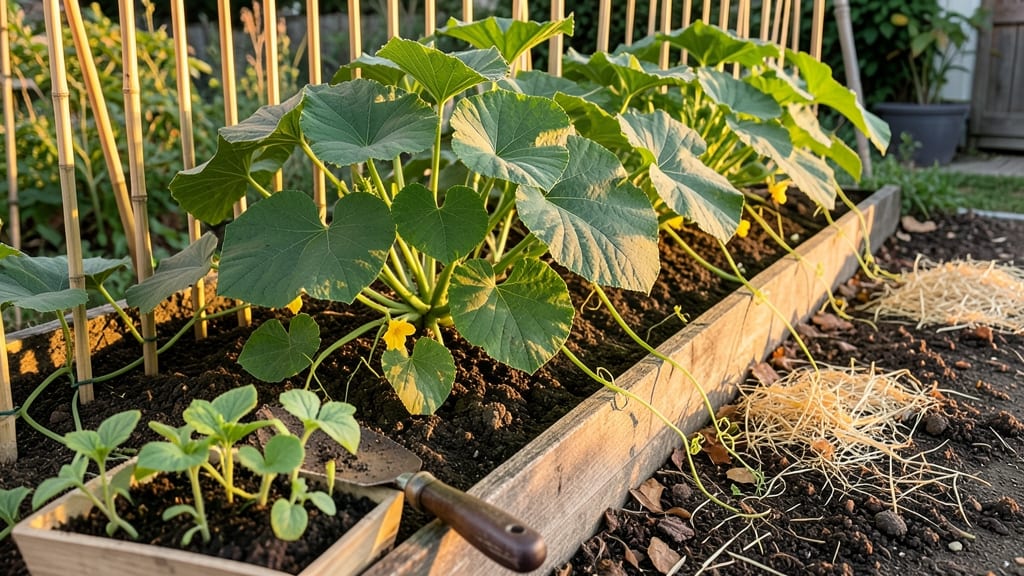
Figuring out when to plant cucumber seeds in NC can make or break your harvest—get it wrong, and you’ll either lose seedlings to frost or watch your plants wilt before they bear fruit.
With North Carolina’s varied climate zones (7a-8b) and unpredictable spring weather, timing matters more than you’d think.
Most gardeners in NC wait until mid-April to mid-June after the last frost (usually mid-March to early April), but there’s a trickier second window in late July for a fall harvest.
I’ve learned the hard way that rushing cucumbers into cold soil or planting too late means missing out on that first crisp, homegrown 🥒.
In this guide, I’ll break down the best planting windows by county, share heat-tolerant varieties that thrive in NC’s summers, and show you how to stretch your harvest with simple tricks.
Whether you’re a first-time gardener or a seasoned pro, these tips will help you avoid common pitfalls and enjoy cucumbers straight from your garden all season.
Ready to grow cucumbers that actually produce? Let’s dive into the exact timing, soil prep, and variety choices that work best in North Carolina’s climate—so you can enjoy that first harvest before summer’s heat peaks.
North Carolina’s last-frost dates by county: best planting windows for cucumbers
North Carolina’s diverse climate means last-frost dates vary dramatically from the mountains to the coast. In the Piedmont region, like Raleigh and Greensboro, cucumber seeds can safely go into the ground by mid-April.
Meanwhile, in the mountains (Asheville, Boone), wait until late April to early May—frost lingers longer at higher elevations. Coastal areas like Wilmington and Morehead City can plant as early as early April due to milder winters.
For direct-sown seeds, aim to plant 1-2 weeks after your county’s average last frost. If you’re transplanting seedlings, give them a head start indoors 3-4 weeks before the last frost date. This extra time helps them establish strong roots before facing NC’s humid heat.
Always check your local USDA zone (7a-8b) for precision—even a few miles can shift planting windows by a week or more.
🌱
| Region | Last Frost Date | Best Planting Window | Soil Temp Goal | Notes |
|---|---|---|---|---|
| Mountains (Asheville, Boone) | April 20–May 5 | May 1–15 (direct sow) or April 15 (start indoors) | 60°F (15°C) | Cooler nights; use black plastic mulch |
| Piedmont (Raleigh, Greensboro) | April 1–15 | April 15–May 1 (direct sow) or March 20 (start indoors) | 60°F (15°C) | Moderate humidity; watch for powdery mildew |
| Coastal (Wilmington, Morehead City) | March 15–April 1 | April 1–15 (direct sow) or March 1 (start indoors) | 60°F (15°C) | Warmer soil; ideal for early varieties |
| Sandhills (Fayetteville, Sanford) | March 25–April 10 | April 10–25 (direct sow) or March 25 (start indoors) | 60°F (15°C) | Well-draining soil; mulch heavily |
🌡️ Pro Tip: Use a soil thermometer—cucumbers won’t germinate well below 60°F (15°C).
If you’re aiming for a fall harvest, plant cucumber seeds again in late July. This second planting takes advantage of NC’s long growing season and can produce cucumbers until first frost in October.
For both spring and fall plantings, succession planting every 2 weeks ensures a steady supply. Just be mindful of disease pressure in late summer—rotating crops and using resistant varieties helps.
For container growing, start seeds indoors 4-6 weeks before your last frost date. Containers warm up faster, so you can plant them out 1-2 weeks earlier than in-ground cucumbers. Just ensure pots are at least 12 inches deep—cucumbers have long taproots and need room to stretch.
One common mistake? Planting too early in cooler microclimates. For example, in the Blue Ridge Mountains, even if your county’s average last frost is April 15, a frost pocket might delay planting until May. Observe your garden’s microclimate—low spots and shaded areas stay colder longer.
To maximize success, test your soil pH (ideal: 6.0–6.8) and amend with compost or aged manure before planting. Cucumbers are heavy feeders, so enriching the soil prevents blossom-end rot and ensures sweet, crisp fruits.
Add a 5-10-10 fertilizer at planting, then side-dress with compost tea every 3-4 weeks.
💧
Once planted, consistent moisture is key—cucumbers need 1-2 inches of water weekly. In NC’s humid summers, water in the early morning to prevent fungal diseases like powdery mildew. Use drip irrigation or soaker hoses to keep foliage dry.
If you notice yellowing leaves, it’s often a sign of overwatering or poor drainage—amend soil with perlite or sand if needed.
Finally, don’t forget trellising! Cucumbers thrive when their vines are supported, improving airflow and reducing disease. In NC’s tropical humidity, trellised plants stay drier and healthier than bush varieties. Use strong stakes or cages—some varieties, like ‘Straight Eight’, can grow 10+ feet tall!
North Carolina’s last-frost dates by county: best planting windows for cucumbers
North Carolina’s diverse climate means last-frost dates vary dramatically from the mountains to the coast. In the Piedmont region, like Raleigh, frost typically ends by April 15th, while coastal areas such as Wilmington may see frost-free conditions by March 15th.
Mountain counties like Asheville often wait until May 1st before planting cucumbers.
For most NC gardeners, the ideal planting window for cucumber seeds is mid-April to mid-June, but this shifts based on your county’s microclimate. For example, Western NC should wait until after May 10th, while Eastern NC can start as early as March 20th in sheltered areas.
| Region | Last Frost Date | Best Planting Window | Soil Temp Goal |
|---|---|---|---|
| Eastern NC (Coastal) | March 15 - April 1 | March 20 - April 15 | 60°F+ |
| Piedmont (Raleigh/Charlotte) | April 1 - April 15 | April 15 - May 1 | 60°F+ |
| Western NC (Asheville) | May 1 - May 10 | May 10 - May 20 | 65°F+ |
| Mountains (Boone) | May 15 - June 1 | June 1 - June 10 | 68°F+ |
If you’re growing heat-tolerant varieties, you can also plant a second crop in late July for a fall harvest. This works best in coastal and Piedmont regions where summer heat peaks later. For mountain areas, a fall crop may not mature before first frost in October.
Always check your local USDA zone (NC ranges from 7a to 8b) and monitor soil temperatures with a thermometer. Cucumber seeds need soil temps above 60°F to germinate properly. Black plastic mulch can help warm cool mountain soils faster.
For gardeners in transition zones, like the Triangle region, consider staggered planting. Start with hardy varieties in early April, then add heat-loving types in late May to extend your harvest window through summer.
Pro tip: Use a frost calendar from your local Cooperative Extension office for hyper-localized advice. They track frost data year-to-year, which is invaluable for NC’s unpredictable spring weather.