
Companion Plants
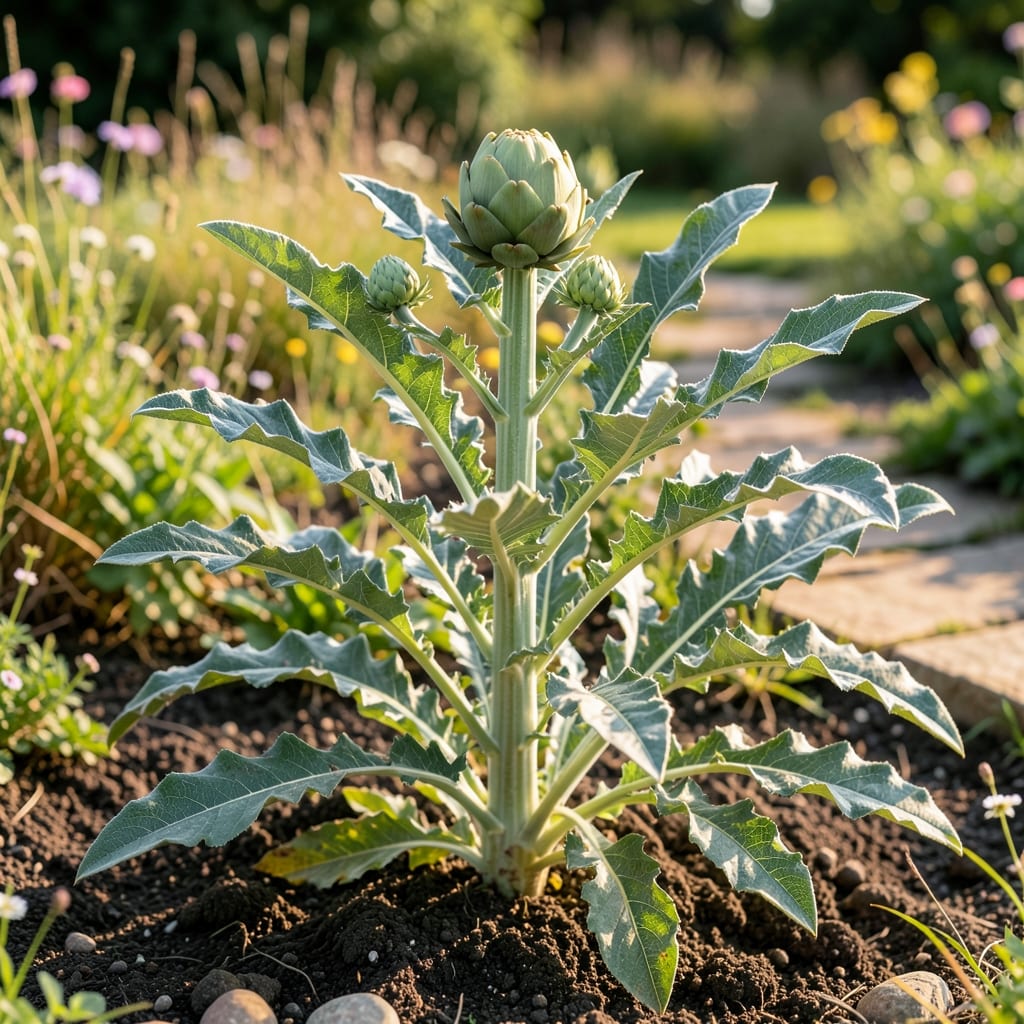
If you’ve ever wondered how tall an artichoke plant can grow, you’re in for a surprise—these thistle-like giants can reach heights that put most gardeners on their toes, sometimes towering up to 6 feet or more in ideal conditions. Whether you're growing globe artichokes like 'Green Globe' or the striking 'Romanesco,' their stature isn’t just impressive—it’s a key part of their care and harvest strategy.
Not all artichokes are created equal when it comes to height. Some varieties, like the classic 'Green Globe,' typically clock in at 4-5 feet, while others, especially cardoon types, can stretch toward that 6-foot mark. The difference isn’t just about aesthetics—it affects how you prune, stake, and even harvest your plants. For home gardeners in USDA Zone 6a, understanding these variations is the first step to managing a thriving patch of 🌱 artichokes.
But here’s the thing: height isn’t just about variety—soil quality, sunlight, and even your pruning habits play a huge role. A well-fed plant in full sun will grow taller, but that doesn’t always mean better yields. In fact, managing height through pruning can actually boost production by directing energy where it counts. Let’s break down what you need to know to keep your artichokes happy—and at the perfect height for your garden.
Ready to turn your garden into a lush artichoke haven? I’ll show you how to choose the right variety for your space, control their growth naturally, and even troubleshoot common height-related issues. By the end, you’ll know exactly how to coax those towering stems into a bountiful harvest—without sacrificing your sanity (or your garden’s layout).


Artichoke plant height by variety: from compact to towering giants
Artichoke plants are architectural marvels in the garden, with some varieties stretching toward the sky like living sculptures. The globe artichoke (Cynara cardunculus var. scolymus) typically grows between 4 to 6 feet tall, while its wild cousin, the cardoon, can reach even greater heights. Understanding these differences helps you choose the right variety for your space and growing goals.
If you’re working with limited garden space, dwarf varieties like 'Baby Blue' or 'Romanesco' are excellent choices, maturing around 3 to 4 feet tall. These compact plants are perfect for containers or small gardens while still producing delicious buds. On the other hand, if you’re aiming for a dramatic focal point, standard varieties like 'Green Globe' or 'Imperial Star' will tower over your garden beds.
Here’s a quick comparison to help you visualize the differences:
| Variety | Mature Height | Best For |
|---|---|---|
| Dwarf Varieties (e.g., 'Baby Blue', 'Romanesco') | 3–4 feet | Containers, small gardens |
| Standard Varieties (e.g., 'Green Globe', 'Imperial Star') | 4–6 feet | Garden beds, focal points |
| Giant Varieties (e.g., 'Violetto' cardoon) | 6–8 feet | Large gardens, ornamental use |
The cardoon, often overlooked in favor of its sweeter cousin, can grow even taller—sometimes exceeding 8 feet in ideal conditions. While cardoons are edible (their buds are used similarly to artichokes), they’re often grown for their striking silver-blue leaves and architectural form. If you’re after both height and edibility, 'Violetto' is a standout choice.
Your garden’s climate and soil quality also play a role in how tall your artichoke plants grow. In warmer climates like USDA Zones 7–10, artichokes thrive and often reach their maximum height. However, in cooler zones (like Zone 6), they may grow more slowly, staying shorter unless you provide season extension with row covers or greenhouses.
Rich, well-draining soil with plenty of organic matter encourages taller growth, while poor soil or drought stress can stunt a plant’s height. Amend your soil with compost or aged manure before planting to give your artichokes the best start. A pH between 6.5 and 7.5 is ideal for optimal nutrient uptake and vigorous growth.
Height isn’t just about aesthetics—it also impacts yield and care requirements. Taller varieties like 'Green Globe' produce larger buds but may need staking or support to prevent them from toppling over. Shorter varieties, while easier to manage, might yield fewer buds per plant. Balance your goals: Do you want maximized height for drama, or compact growth for easier harvesting?
One common misconception is that taller artichoke plants always produce more buds. In reality, proper pruning and spacing can boost yield just as effectively as height. For example, giving plants 2 to 3 feet of space between them allows air circulation, reducing disease risk and encouraging stronger growth—even in shorter varieties.
If you’re growing artichokes in containers, expect slightly shorter plants (around 3 to 4 feet) due to root restriction. However, with the right container size (at least 12–18 inches deep) and regular fertilization, you can still achieve impressive heights and a bountiful harvest.
For those in urban gardens or small yards, consider trellising taller varieties like 'Green Globe' to save space while still enjoying their full height. A sturdy trellis not only supports the plant but also makes harvesting easier by keeping buds off the ground. Just ensure the trellis is at least 6 feet tall to accommodate mature plants.
🌱
Artichoke plant height by variety: from compact to towering giants
Artichoke plants are famous for their striking height, but did you know some varieties can grow taller than a basketball hoop? The globe artichoke, the most common type, typically reaches 4 to 6 feet at maturity, while cardoon varieties can even surpass 7 feet in ideal conditions. If you're working with limited garden space, choosing the right variety can make all the difference!
For home gardeners, the Green Globe artichoke is a popular choice, often growing 5 to 6 feet tall with broad, thorny leaves that create a dramatic backdrop. Meanwhile, Romanesco varieties tend to be slightly shorter, usually 4 to 5 feet, but their striking purple buds make them a favorite for ornamental gardens too.
| Variety | Mature Height | Notes |
|---|---|---|
| Green Globe | 5-6 ft | Classic globe artichoke; great for yield |
| Romanesco | 4-5 ft | Purple buds; slightly shorter but ornamental |
| Imperial Star | 5-6 ft | Large buds; needs staking |
| Cardoon | 6-7 ft | Tallest variety; edible stems |
What many gardeners don’t realize is that height isn’t just about space—it also impacts yield and care requirements. Taller varieties like Green Globe produce more buds but may need staking or trellising to prevent toppling. Meanwhile, shorter varieties like Romanesco are easier to manage in containers or small gardens, though they may produce fewer artichokes.
If you're growing artichokes in cooler climates (USDA Zones 7-9), expect slightly shorter plants due to slower growth rates. In warmer zones (10+), however, artichokes can grow even taller and more vigorously, sometimes reaching 7 feet if given ideal conditions. Soil fertility also plays a role—rich, well-draining soil encourages taller growth, while poor soil can stunt plants to 3 to 4 feet.
For those with limited garden space, consider dwarf varieties or pruning techniques to keep plants under control. Even standard varieties can be trained to grow more compactly with the right care, making them perfect for container gardening or small urban plots. The key is balancing height with your garden layout and harvest goals!
Remember, the height of your artichoke plant doesn’t just affect how it looks—it also influences how you harvest and maintain it. Taller plants may require ladders or careful reaching, while shorter ones are easier to tend to. Choose wisely based on your garden’s layout and your willingness to invest in support structures like trellises or cages.