
Size
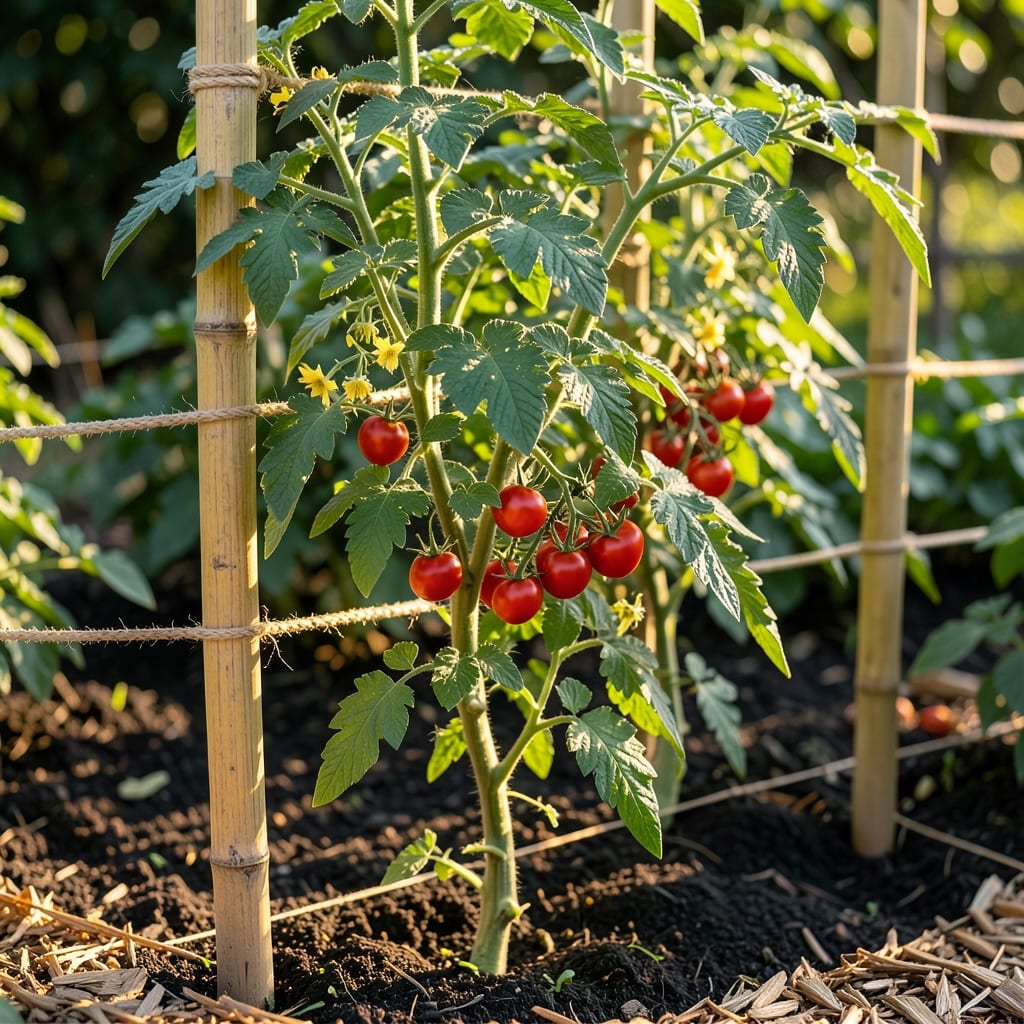
Ever wonder how tall your cherry tomato plants 🍅 could grow if left to their own devices? The answer might surprise you—some varieties stretch toward the sky like natural skyscrapers, while others stay neatly contained in a small pot. Understanding these height differences isn't just about aesthetics; it directly impacts your harvest and garden planning.
Cherry tomato plants typically range from just 1 foot for dwarf varieties to a towering 6-8 feet for indeterminate types that keep growing all season. The key difference lies in their growth habits: determinate (bush) types max out early, while indeterminate (vining) types climb relentlessly until frost. Knowing which type you're growing helps you choose the right support and space from day one.
But height isn't set in stone—your pruning habits, trellising choices, and even sunlight exposure can influence how tall your plants become. Some gardeners swear by aggressive pruning to control vines, while others let them sprawl for maximum yield. The right approach depends on your space and goals, whether you're working with a tiny balcony garden or a sprawling backyard plot.
Ready to turn your cherry tomato plants into productive powerhouses? I'll walk you through the height ranges of popular varieties, how to manage growth naturally, and when to embrace their natural tendencies. Let's get growing!

Cherry tomato variety heights: from dwarf bushes to towering vines
When planning your cherry tomato garden, the first question I always ask is: how tall will these plants grow? The answer varies dramatically between varieties, and choosing the right type for your space can mean the difference between a manageable harvest and a jungle of vines. Let me break down the height ranges you can expect from popular cherry tomato types, so you can pick the perfect fit for your garden layout.
Cherry tomatoes fall into three main height categories: dwarf varieties (1-3 feet), compact types (3-4 feet), and indeterminate vining varieties (6-8+ feet). The dwarf and compact types are perfect for containers, small spaces, or gardeners who prefer low-maintenance plants. Meanwhile, the indeterminate varieties are the sky-scrapers of the tomato world, capable of climbing trellises until frost stops them.
Here's where things get interesting: even within these categories, individual varieties can vary by 1-2 feet in height. For example, the 'Tiny Tim' cherry tomato stays neatly under 2 feet, while the 'Sweet Million' can easily reach 6 feet without support. Your choice of variety isn't just about height—it's about how you'll manage that growth throughout the season.
🌱
| Variety | Height Range | Growth Habit | Best For |
|---|---|---|---|
| 'Tiny Tim' | 1-2 ft | Dwarf (Determinate) | Containers, small spaces |
| 'Patio Princess' | 2-3 ft | Compact (Determinate) | Balconies, window boxes |
| 'Balcony Red' | 2-3 ft | Compact (Determinate) | Urban gardens, pots |
| 'Super Sweet 100' | 4-6 ft | Indeterminate | Trellises, large gardens |
| 'Sweet Million' | 6-8+ ft | Indeterminate | Vertical gardens, fences |
| 'Gold Medal' | 5-7 ft | Indeterminate | Trellis systems, greenhouses |
| 'Sun Gold' | 4-6 ft | Indeterminate | Cages or stakes |
| 'Micro Tom' | 1-1.5 ft | Dwarf (Determinate) | Indoor growing, classrooms |
| 'Cherry Roma' | 3-4 ft | Compact (Determinate) | Small plots, raised beds |
The dwarf varieties like 'Tiny Tim' and 'Micro Tom' are my go-to choices for container gardening. They thrive in 5-gallon pots and produce abundant fruit without taking up much space. These are ideal if you're working with limited room or want to grow cherry tomatoes on a balcony. The trade-off? You'll get a shorter harvest window since they're determinate types that produce all their fruit at once.
On the opposite end of the spectrum, indeterminate varieties like 'Sweet Million' and 'Super Sweet 100' are the workhorses of large gardens. These vining types can produce fruit continuously from early summer until frost if given proper support. The key to managing their height is installing a trellis or cage at planting time. Without support, these plants can sprawl uncontrollably, leading to broken stems and lost fruit.
For gardeners with moderate space, compact varieties like 'Balcony Red' offer the best of both worlds. They grow tall enough to produce good yields but stay manageable
How to control cherry tomato plant height naturally (without chemicals)
Managing the height of your cherry tomato plants doesn't require harsh chemicals—just the right techniques tailored to their growth habits. Whether you're dealing with 6-foot vines or 2-foot bushes, organic methods can keep your plants at your desired height while maximizing yield. The key is understanding when to prune, how to support growth, and when to let nature take its course.
For indeterminate varieties like 'Sweet Million', regular pruning is your best friend. I recommend pinching off the top growth every 2-3 weeks during the growing season. This encourages the plant to put energy into fruit production rather than vertical growth. Use clean, sharp pruners to avoid damaging stems, and always prune just above a leaf node where new growth will sprout.
🌱
- Install support early: Set up trellises or cages at planting time to guide vine growth. Use 5-6 ft tall stakes for indeterminate types.
- Prune suckers regularly: Remove suckers (shoots in leaf axils) weekly to control height. Focus on the lower third of the plant first.
- Top the main stem: When plants reach your desired height (e.g., 4-5 ft), pinch off the top growth to stop vertical expansion.
- Use organic mulch: Apply 2-3 inches of straw or wood chips to retain moisture and slow early growth spurts.
- Train vines properly: Gently tie vines to supports every 10-12 inches of growth to prevent sprawling.
For determinate varieties like 'Tiny Tim', less intervention is needed. These plants naturally stop growing after producing their main crop, so focus on providing adequate sunlight and container size (at least 5 gallons). Over-pruning can reduce their already limited growing season, so limit yourself to removing only yellow or diseased leaves.
An often-overlooked technique is selective fertilizing. Too much nitrogen promotes leafy growth at the expense of height control. Instead, use a balanced 5-10-10 fertilizer and apply it every 4-6 weeks during the growing season. For compact varieties, reduce fertilizer amounts by half to prevent excessive growth.
When in doubt, observe your plants' natural tendencies. Some gardeners swear by letting indeterminate varieties grow wild on trellises, claiming the extra height leads to more fruit. The key is finding your own balance between control and natural growth patterns. Experiment with different methods to see what works best for your climate and space!