
Plants
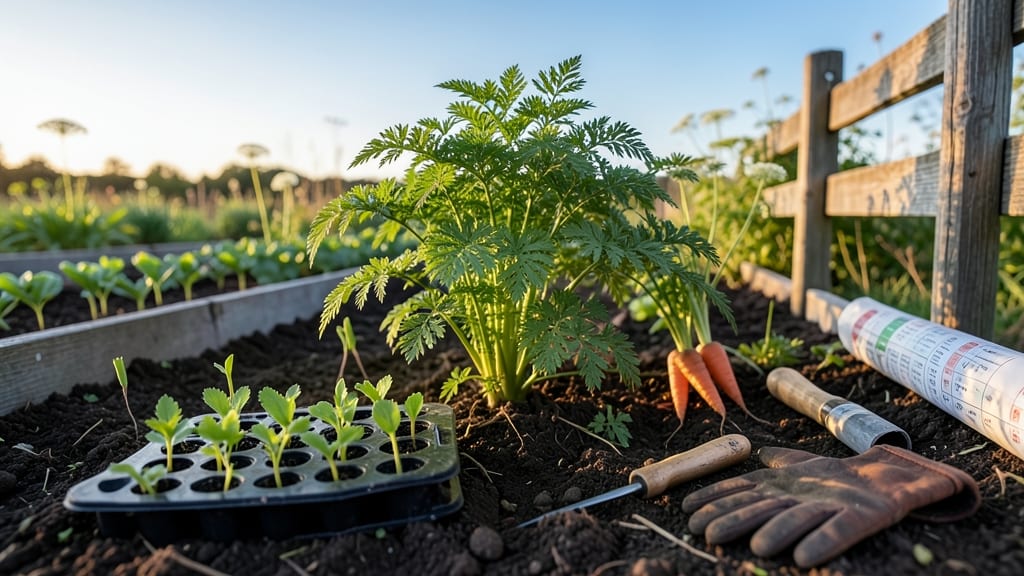
Knowing when to plant carrots in Kentucky can make or break your harvest—especially with our unpredictable spring frosts and heavy clay soil. 🥕 If you’ve ever watched your seedlings wilt or roots fork into gnarly shapes, you’re not alone.
The secret lies in timing your plantings to match Kentucky’s USDA Zone 6a frost dates while prepping soil that actually lets those sweet roots grow straight.
Most gardeners in Kentucky swear by two planting windows: early spring (March–April) and late summer (July–August). But here’s the catch—your exact dates depend on whether you’re in western Kentucky’s milder microclimates or the cooler east.
We’ll break down the frost-free averages and show you how to stretch your harvest with succession planting, so you’re not left with a single batch of carrots in June.
Let’s cut to the chase: the key to growing perfect, fork-free carrots in Kentucky starts with soil prep. Rocky subsoil and compacted clay are the arch-nemeses of carrot growers here, but with the right amendments and planting techniques, you can turn those challenges into a crisp, sweet harvest.
I’ll walk you through the exact steps to loosen soil, avoid common mistakes, and even pick the best varieties for Kentucky’s humid summers.
Ready to ditch the guesswork? By the end of this guide, you’ll know exactly when to plant, how to prep your soil, and which carrot types thrive in Kentucky’s short growing season—so you can enjoy homegrown carrots from spring to fall without the frustration.
Kentucky carrot planting calendar: frost-free dates by USDA Zone (6a-7a)
Kentucky’s USDA Zones 6a-7a offer two prime windows for planting carrots: early spring and late summer. Timing these correctly—based on last frost dates and soil temperatures—ensures strong germination and avoids common pitfalls like forked roots or bolting in heat.
For Zone 6a (northern KY), the average last frost date falls around March 15, while Zone 7a (southern KY) typically sees frost-free conditions by March 1.
These dates mark the start of your spring planting window, but soil temperature is just as critical—carrots need 50°F+ soil to germinate reliably.
Here’s the breakdown for your Kentucky carrot planting calendar, adjusted for both zones and seasonal microclimates:
| Season | Planting Window (Zone 6a) | Planting Window (Zone 7a) | Key Considerations |
|---|---|---|---|
| Spring | March 15–April 15 | March 1–April 10 | Soil temp ≥50°F; protect seedlings with frost cloth if late. |
| Fall | July 15–August 15 | July 1–August 10 | Harvest before first frost (Nov 15); use shorter-day varieties. |
| Succession Planting | Every 2–3 weeks (April–June) | Every 2 weeks (March–May) | Extend harvests; sow thin rows (1" apart) for easier thinning. |
Kentucky’s humid summers and rocky soil can challenge carrot growth, so succession planting is key. For example, sow seeds every 2–3 weeks from April through June to ensure a steady supply.
In Zone 7a, you can even squeeze in a late fall crop by planting in early September—just aim to harvest before the first frost.
Pro tip: Use black plastic mulch in spring to warm the soil faster and straw mulch in summer to retain moisture. This is especially helpful in Kentucky’s clay-heavy soils, which can compact and stunt root growth if not amended properly.
For fall planting, focus on bolt-resistant varieties like ‘Danvers’ or ‘Nantes’—they tolerate Kentucky’s shorter daylight hours better than heat-sensitive types. Plant by mid-August to give roots time to mature before frost.
Always check your local frost dates (e.g., Kentucky Mesonet) for microclimate adjustments. Urban areas like Louisville may warm up faster than rural Bowling Green, so adjust your timeline accordingly.
Finally, avoid planting carrots where potatoes or tomatoes grew last year—these crops share diseases that can stunt your roots. Rotate with beans or peas instead.
With these Kentucky-specific timing tips, you’ll maximize your carrot yield while avoiding common growing mistakes. Happy planting! 🥕
Soil preparation secrets for Kentucky carrots: loosen, amend, and avoid common mistakes
Kentucky’s clay-heavy soils can turn carrot gardening into a frustrating battle if you don’t prepare properly. Carrots need loose, well-draining soil to grow straight and sweet—otherwise, you’ll end up with forked or woody roots. The key is breaking up compaction and amending the soil 4-6 weeks before planting.
Start by testing your soil’s drainage and pH. Carrots thrive in slightly acidic soil (pH 6.0-6.8) and hate soggy conditions. If your soil feels dense or holds water after 24 hours, it’s time to amend with organic matter.
A mix of compost, aged manure, and coarse sand works wonders for improving texture and aeration.
🌱 PRO TIP: Avoid fresh manure—it can cause bolt-resistant carrots to grow too quickly, leading to bitter roots. Instead, use well-rotted compost or leaf mold for gentle nutrient release.
⚠️ Common Mistakes to Avoid
1. Skipping soil loosening: Compacted soil causes forked roots. Use a broadfork or tiller to break up clods to 8-12 inches deep.
2. Over-fertilizing with nitrogen: Too much nitrogen-rich fertilizer leads to leafy tops but small, tough roots. Stick to phosphorus-heavy amendments for root growth.
3. Planting in rocky soil: Carrots need smooth, debris-free beds. Sift out stones or grow short varieties like 'Paris Market' if rocks are unavoidable.
For optimal results, work in 2-3 inches of compost and a 1-inch layer of coarse sand or perlite to improve drainage. If your garden bed is new, consider building a raised bed—it gives you full control over soil composition and eliminates compaction issues entirely.
After amending, create shallow furrows (1/4 inch deep) for seeds and keep the soil moist but not waterlogged until germination. Mulch with straw or shredded leaves to retain moisture and suppress weeds, which can compete with young seedlings for nutrients.
One final secret: Rotate your carrot patch every 2-3 years. Planting carrots in the same spot repeatedly invites pests like carrot rust fly and depletes soil nutrients, leading to poor harvests. Pair them with onions or leeks in the same bed—their strong scent repels pests naturally.