
Companion Plants
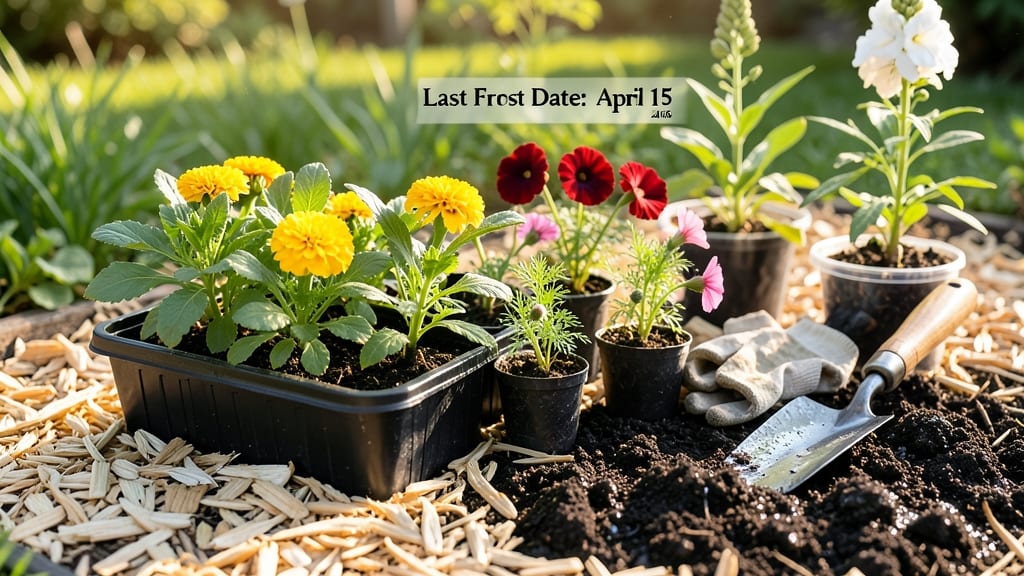
When can I plant annuals in Zone 6? Timing your annuals just right in this zone could mean the difference between a garden that bursts with color and one that struggles to take off.
The right window isn't just about avoiding frost—it's about giving your plants the perfect start when soil temperatures and daylight align for their success.
Most gardeners in Zone 6 wait for 2-4 weeks after the last frost date to plant warm-season annuals, but cool-season varieties have their own ideal timing.
I'll break down exactly when to plant, including how to adjust for your specific microclimate and regional variations that can shift those critical dates by 1-2 weeks.
Whether you're dreaming of vibrant marigolds or crisp lettuce, knowing these precise moments transforms guesswork into confidence. Let's dive into the science behind planting schedules and how to extend your growing season with smart strategies.
You'll discover how to read your local frost data, prepare seedlings for transplanting, and even push boundaries with protective covers. By the end, you'll have a clear timeline tailored to your Zone 6 garden's unique conditions.
Zone 6 last frost dates: exact weeks before planting annuals for success
Understanding your Zone 6 last frost dates is the first step to planting annuals successfully. In this zone, the average last spring frost typically occurs between April 15 and May 15, while the first fall frost arrives around October 15 to November 1.
These dates create your planting windows—miss them, and you risk frost damage or stunted growth.
Your exact planting timeline depends on whether you're growing cool-season annuals (like lettuce or pansies) or warm-season annuals (like tomatoes or marigolds). Cool-season plants can handle light frosts, while warm-season varieties need consistent warmth to thrive. Always verify local microclimates, as urban areas may warm faster than rural spots.
To calculate your personal planting window, check your local historical frost data (USDA Plant Hardiness Zone Map is a great resource). Add 2-4 weeks before the last frost for cool-season plants and wait until 2 weeks after for warm-season varieties. This buffer ensures soil warmth and stability.
For example, if your last frost is May 1, plant cool-season annuals by April 15 and wait until May 15 for warm-season annuals. Use a soil thermometer to confirm the ground is at least 50°F—this signals readiness for planting.
Don’t rely solely on calendar dates. Monitor weather forecasts for late frosts, especially in Zone 6’s northern regions (like Chicago or Pittsburgh). A sudden cold snap can devastate tender seedlings overnight. Keep a planting journal to track your local patterns over time.
🌱 Zone 6 Planting Timeline
| Season | Planting Window | Ideal Soil Temp | Examples |
|---|---|---|---|
| Early Spring | 4-6 weeks before last frost | 40-50°F | Pansies, Snapdragons, Lettuce |
| Late Spring | 2 weeks after last frost | 55-65°F | Tomatoes, Peppers, Marigolds |
| Summer | June-August | 60-75°F | Basil, Sunflowers, Zinnias |
| Fall | 8-10 weeks before first frost | 50-60°F | Kale, Radishes, Cosmos |
For cool-season annuals, start seeds indoors 6-8 weeks before your last frost date. This gives them a head start, but be prepared to harden off seedlings gradually before transplanting outdoors. Use row covers or a cold frame to extend their growing season into early spring or late fall.
Warm-season annuals, however, need consistent warmth. Wait until the soil is at least 60°F and nighttime temperatures stay above 50°F. If you’re eager to plant early, use black plastic mulch to warm the soil faster. This trick can shave 1-2 weeks off your waiting time.
Pro tip: Use biodegradable seed starter pots for warm-season plants. They reduce transplant shock and protect delicate roots when moving seedlings from indoors to your garden. This method works especially well for peppers and eggplants, which are sensitive to temperature swings.
Remember, Zone 6’s fall planting window is shorter than spring’s. Prioritize fast-maturing annuals like radishes or bush beans for late-season harvests. If you love summer blooms, opt for heat-tolerant varieties like celosia or portulaca, which thrive in the heat.
Track your garden’s progress with a planting calendar. Note when you sow seeds, transplant seedlings, and harvest crops. Over time, you’ll refine your timing to match your unique microclimate—leading to bigger blooms and bountiful harvests every year. 🌿
Best annual plants for Zone 6: heat-tolerant and cold-resistant varieties
Choosing the right annual plants for Zone 6 means balancing cold tolerance with heat resilience. The key is selecting varieties that thrive in your specific microclimate, whether you're in the cooler Appalachians or the warmer Midwest plains.
I’ve grouped these plants by their ideal planting windows to help you plan your garden with precision.
For early spring, focus on cool-season annuals like pansies and snapdragons. These hardy beauties can handle light frosts and even bloom before summer’s heat arrives. Plant them 4-6 weeks before your last frost date—typically by mid-to-late March in most of Zone 6.
Their vibrant colors will brighten your garden while you wait for summer favorites to take over.
🌱 Top Annuals for Zone 6 by Planting Time
- Early Spring (Mar-Apr): Pansies, Snapdragons, Sweet Alyssum
- Late Spring (May): Petunias, Marigolds, Zinnias
- Summer (Jun-Jul): Sunflowers, Basil, Cosmos
- Fall (Aug-Sep): Kale, Pansies, Stock
When summer arrives, switch to heat-loving annuals like zinnias and marigolds. These thrive in Zone 6’s hot, humid summers and often attract pollinators like bees and butterflies. Plant them after your last frost date, usually by mid-May, once soil temperatures exceed 55°F (13°C).
Their bold blooms will add color until the first frost.
Don’t overlook fall planting—it’s a great way to extend your garden’s life. Cool-season annuals like stock flowers and kale can be sown as early as mid-August in Zone 6.
These plants tolerate light frosts and even add a touch of winter interest. Just ensure they get full sun and well-draining soil to prevent rot.
Pro tip: Always check your local frost dates and adjust planting times by 1-2 weeks if your microclimate runs cooler or warmer than average. For example, gardeners in western Zone 6 (like Kansas) can plant slightly earlier than those in eastern Zone 6 (like Pennsylvania) due to temperature differences.
Finally, group plants with similar water and sunlight needs together. For instance, pair petunias (which love moisture) with basil (which thrives in heat) in a sunny bed. This not only makes maintenance easier but also creates a cohesive, thriving garden display all season long.