
How To
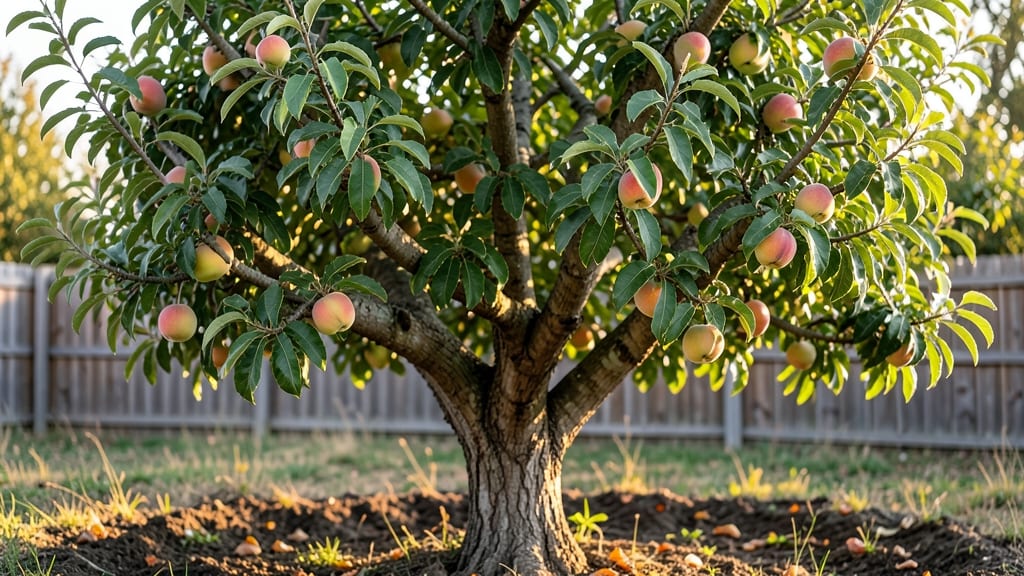
If you're dreaming of a backyard bursting with juicy peaches but wondering "how tall will a peach tree grow", the answer isn't as simple as you might think.
That towering 🍑 you picture could end up as a modest 8-foot dwarf—or a sky-piercing giant reaching 25 feet—depending on the variety you choose. The right selection could mean the difference between easy harvesting and needing a ladder (or a neighbor's help) every summer.
Most home gardeners assume all peach trees grow to similar heights, but the truth is far more flexible. Standard varieties stretch toward the sky, while dwarf and semi-dwarf options stay compact, making them perfect for small spaces or containers.
This flexibility means you can grow peaches whether you have a sprawling yard or just a balcony—without sacrificing fruit quality.
What you'll discover here is how to match your space, climate, and gardening goals with the perfect peach tree size. We'll break down the growth differences between varieties, share pruning secrets to control height naturally, and debunk myths about tree size and fruit production.
By the end, you'll know exactly which 🍑 fits your garden—and your lifestyle—best.
The best part? Choosing the right height isn't just about space—it's about maximizing your harvest while keeping maintenance manageable. Let's explore how to make your peach tree dreams a reality, no matter how big (or small) your backyard is.


Peach tree height guide: standard vs dwarf varieties explained
Peach trees come in three main height categories—standard, semi-dwarf, and dwarf—each with distinct mature heights and growth patterns. A standard peach tree typically reaches 20-25 feet tall, while semi-dwarf varieties max out around 12-16 feet.
Dwarf peach trees stay compact at 8-12 feet, making them ideal for small yards or containers. The key difference? Rootstock type determines height—dwarfing rootstock restricts growth, while standard rootstock lets trees grow to their full potential.
Your choice of height affects fruit production, harvesting ease, and long-term maintenance. For example, taller trees yield more fruit but require regular pruning and larger growing spaces.
Smaller varieties produce fewer peaches but are easier to care for and harvest. Understanding these tradeoffs helps you pick the perfect tree for your space and gardening goals.
Here’s how peach tree heights break down by variety, including growth rates and space needs:
| Variety | Mature Height | Growth Rate (First 3 Years) | Space Needs | Best For |
|---|---|---|---|---|
| Standard | 20-25 ft | 6-10 ft/year | Large yards, orchards | High yield, traditional gardens |
| Semi-Dwarf | 12-16 ft | 4-8 ft/year | Medium yards, suburban homes | Balanced yield & ease of care |
| Dwarf | 8-12 ft | 3-6 ft/year | Containers, small patios, urban gardens | Low maintenance, easy harvesting |
If you’re planting a standard peach tree, expect it to reach 10 feet by year 3 and continue growing aggressively. Semi-dwarf trees grow more slowly, hitting 8-10 feet in 3 years, while dwarf varieties stay under 8 feet at maturity.
The rootstock—like Lovell for dwarfs or Halford for semi-dwarfs—dictates growth, so always check the label when buying.
Another factor? Pruning practices can influence height. Even standard trees can be kept smaller with annual pruning, but this reduces fruit production. For example, a 15-foot semi-dwarf pruned aggressively might stay at 10 feet, but yield drops by 30-40%.
Balance is key—prune to shape but avoid over-trimming if you want a good harvest.
Climate also plays a role. In warmer zones (USDA 8-10), peach trees grow faster and taller due to longer growing seasons. In cooler zones (USDA 5-7), growth slows, and mature heights may be 20-30% shorter.
Always factor in your local climate when estimating height. For instance, a dwarf peach tree in Florida might hit 12 feet, while the same variety in Michigan could stay under 10 feet.
For urban gardeners, dwarf varieties are a game-changer. A 10-foot peach tree in a large pot fits on patios, while semi-dwarfs work in small backyards with 12 feet of clearance.
Just ensure containers are at least 24 inches deep and use well-draining soil to prevent root rot. Pro tip: Add mycorrhizal fungi to the planting hole to boost root health and stability.
Myth-busting time: Not all peach trees reach 20 feet. Many nurseries sell misleadingly labeled "standard" trees that are actually semi-dwarfs. Always verify the rootstock type or ask the nursery for specifics.
A quick Google search of the variety name + "rootstock" will reveal its true mature height. For example, the Redhaven peach is a standard variety, while Bonanza is a semi-dwarf.
Finally, consider tree shape. Standard peach trees develop a spreading canopy, while dwarf varieties stay upright and compact. This affects not just height but also fruit accessibility and wind resistance.
If your yard gets high winds, a dwarf or semi-dwarf tree is safer and easier to manage. For low-maintenance gardens, dwarf peaches win—just be ready for smaller harvests.
Ready to pick the perfect peach tree? Start by measuring your space and matching it to the height chart above. Need help choosing? The next section breaks down how to select the best height for your yard—including space-saving hacks for tight areas! 🌳
How to choose the right peach tree height for your space
Selecting the perfect peach tree height depends on your yard size, pruning commitment, and fruit production goals. A standard peach tree (18–25 ft) thrives in large gardens but requires regular pruning and space.
Meanwhile, dwarf varieties (8–12 ft) are ideal for patios or small backyards, offering easy fruit picking and lower maintenance.
For urban gardens or tight spaces, consider semi-dwarf varieties (12–18 ft). They strike a balance between manageable height and higher yields. Always check the rootstock type—this determines up to 50% of the tree’s mature height, so choose accordingly for your space constraints.
⚠️ Pros & Cons: Peach Tree Heights
| Type | Pros | Cons |
|---|---|---|
| Dwarf (8–12 ft) | Easy to harvest Low pruning needs Patio-friendly |
Lower yield Shorter lifespan Needs staking |
| Semi-Dwarf (12–18 ft) | Balanced yield Moderate space Longer productive life |
Requires ladder More pruning than dwarf |
| Standard (18–25 ft) | Highest yield Longest lifespan No staking needed |
Needs large space Heavy pruning Hard to harvest |
Calculate your tree’s space needs by measuring your yard and accounting for canopy spread (often 1.5x the height). For example, a 20-ft standard tree needs at least 30 ft of space in all directions. In small spaces, espalier training can reduce a semi-dwarf’s footprint by 30–50% while maintaining yield.
Consider your fruit harvesting ease—dwarf trees let you pick peaches without ladders, while standard trees may require climbing or a sturdy ladder. If you’re new to pruning, start with a dwarf or semi-dwarf to minimize upkeep. Remember: rootstock matters more than variety for height control.
For urban gardeners, container-growing dwarf peach trees (like ‘Bonanza’ or ‘Redhaven’) work well in large pots. Just ensure the container is at least 18 inches deep and has drainage holes. Mulch heavily to retain moisture and regulate soil temperature, which is critical for dwarf trees in pots.
Weigh your long-term care goals—standard trees offer decades of fruit but demand more effort, while dwarf trees require less space but may need replacing sooner. Choose based on your time, space, and patience for maintenance.