
How To
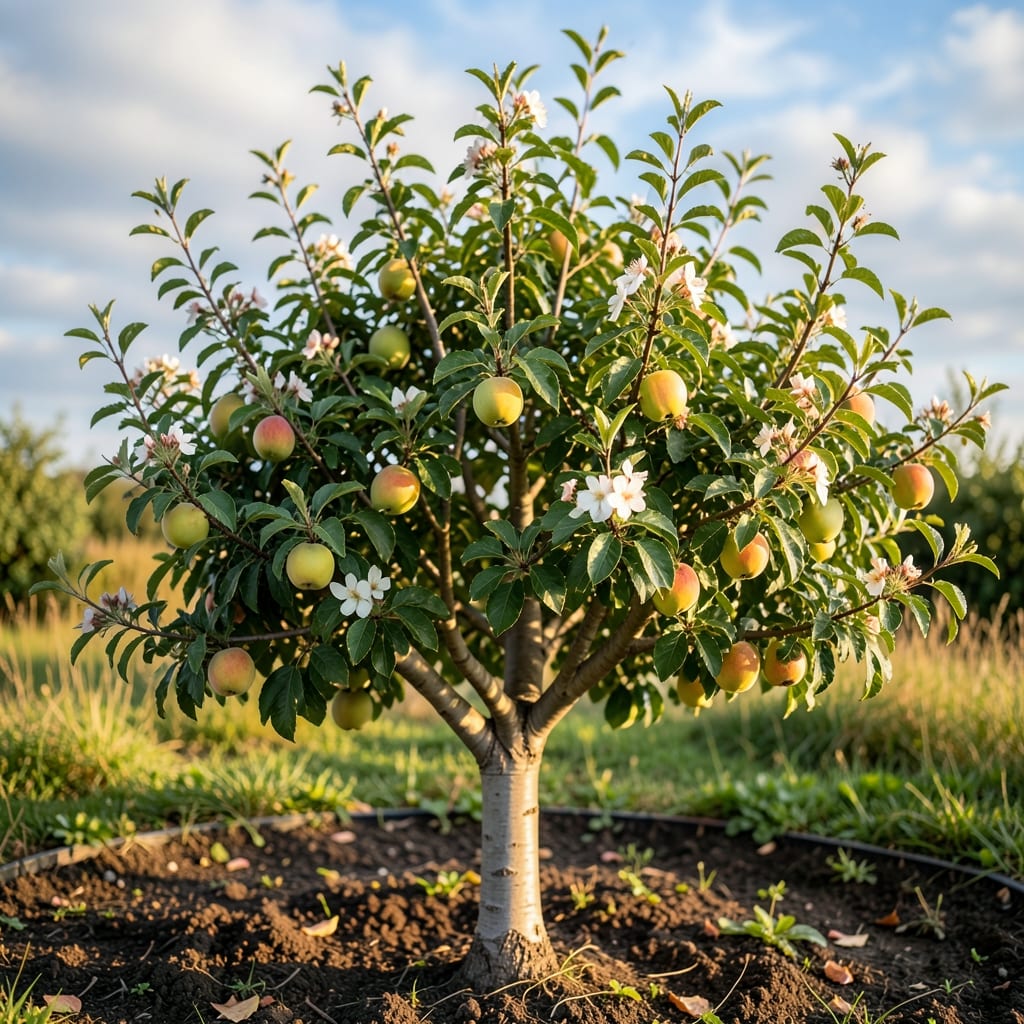
Wondering how tall can a peach tree grow before it turns your backyard into a jungle? The answer depends entirely on the variety you choose—because some peach trees stay compact enough for containers, while others can stretch taller than your two-story house!
If you're dreaming of a 🍑 peach tree but worried about space, don’t panic. Dwarf varieties top out around 8-12 feet, making them perfect for small yards or even large pots. Meanwhile, standard varieties can reach 20-25 feet if left unchecked. The key is understanding which type fits your space—and how to manage growth from the start.
Whether you're in USDA Zone 6a or just love fresh peaches, this guide breaks down everything you need to know. We’ll cover height ranges, pruning tips, and even the best compact varieties for small spaces. Let’s make sure your peach tree grows the way you want it to!
Ready to pick the perfect peach tree for your garden? You’ll learn how to control its height, maximize fruit production, and keep your landscape looking neat—without sacrificing those juicy summer peaches. Let’s get started!


Peach tree height by variety: dwarf to giant growth ranges explained
If you’re wondering how tall can a peach tree grow, the answer starts with the variety you choose. Peach trees come in four main height categories—dwarf, semi-dwarf, standard, and columnar—each with dramatically different mature sizes. Picking the right one ensures your tree fits your space while still producing abundant fruit. Let’s break down the height ranges so you can make an informed decision.
Standard peach trees are the giants of the group, reaching 20-25 feet tall at maturity. These are the classic backyard trees you might see in orchards, but they require plenty of space and regular pruning to keep them manageable. If your yard is large and you love the idea of a traditional peach tree, this is the variety for you—but be prepared for a long-term commitment to pruning and maintenance.
Semi-dwarf varieties strike a balance, growing 12-18 feet tall. They’re a great middle-ground option for gardeners who want a taller tree without the space requirements of a standard variety. Semi-dwarfs are popular for suburban yards because they fit well in medium-sized spaces while still producing high yields. Just be sure to plant them at least 15 feet apart from other trees or structures.
Now, if you’re working with limited space—whether it’s a small yard, a patio, or even a large container—dwarf peach trees are your best bet. These compact varieties top out at 8-12 feet tall, making them perfect for urban gardens, balconies, or even as bonsai-style specimens. Dwarf trees mature faster and produce fruit earlier, so you’ll enjoy peaches sooner without the wait.
Don’t overlook columnar peach trees, either! These unique varieties grow 10-15 feet tall but stay narrow—often just 3-4 feet wide. Their upright growth habit makes them ideal for tight spaces like narrow yards or along fences. Columnar trees are also easier to prune and harvest because their branches grow vertically, keeping fruit within easy reach.
| Variety Type | Mature Height | Width | Best For | Space Needs |
|---|---|---|---|---|
| Standard | 20-25 ft | 15-20 ft | Large yards, orchards | 25+ ft apart |
| Semi-Dwarf | 12-18 ft | 10-15 ft | Suburban yards | 15-20 ft apart |
| Dwarf | 8-12 ft | 6-10 ft | Containers, small yards | 10-15 ft apart |
| Columnar | 10-15 ft | 3-4 ft | Narrow spaces, fences | 8-10 ft apart |
Choosing the right variety isn’t just about height—it’s also about fruit production and ease of care. Dwarf and columnar trees, for example, produce fruit that’s often larger and riper because their smaller size means more energy goes into fruit development rather than growth. Meanwhile, standard trees may yield more fruit overall, but they require more maintenance to keep them productive and healthy.
Another factor to consider is rootstock. Dwarf and semi-dwarf trees are often grafted onto dwarfing rootstock, which naturally limits their size. This means even if you plant a standard variety, you can influence its height by choosing the right rootstock. For instance, a tree grafted onto Lovell rootstock will stay smaller than one on standard seedling rootstock. Always check the rootstock when selecting your tree to avoid surprises down the road.
If you’re still unsure which variety fits your space, think about your long-term goals. Do you want a tree that’s easy to harvest and maintain, or are you willing to invest time in pruning and upkeep for a larger, traditional tree? For most home gardeners, a semi-dwarf or dwarf variety strikes the perfect balance between manageable size and great fruit production. And if you’re short on space, a columnar tree could be your ideal solution!
Remember, the height of your peach tree isn’t set in stone—pruning and care play a huge role in shaping its final size. Even a standard tree can be kept smaller with regular pruning, while a dwarf tree can grow larger if given extra nutrients and space. We’ll dive deeper into pr
How to control peach tree height: pruning and care tips for compact growth
Now that you know how tall can a peach tree grow based on its variety, the next step is managing its height to fit your space. Even the largest peach trees can be kept in check with the right pruning techniques and care strategies. Whether you have a standard 20-foot giant or a dwarf 8-footer, these methods will help you shape your tree’s growth while maximizing fruit production.
Pruning is the most effective way to control height, but timing matters. The best time to prune peach trees is in late winter or early spring, just before new growth begins. This ensures you’re not removing buds that could produce next year’s fruit. Avoid heavy pruning in summer or fall, as it can stress the tree and make it vulnerable to disease. Start with selective pruning in the first year to establish a strong framework, then refine as the tree matures.
For standard or semi-dwarf varieties, focus on open-center pruning. This involves removing suckers (shoots growing from the base) and water sprouts (fast-growing vertical shoots). Aim to create an open vase shape with a central leader and well-spaced branches. This improves airflow, reduces disease risk, and makes harvesting easier. In larger trees, prune to keep the lowest branches 3-4 feet off the ground to prevent soil-borne diseases.
- 1 Prune in late winter (before buds swell) to remove dead, diseased, or crossing branches.
- 2 Thin out crowded branches to improve sunlight penetration and fruit quality.
- 3 Use the "3-cut method" for large branches: Under-cut, over-cut, and twist to avoid tearing bark.
- 4 Fertilize lightly in spring (10-10-10) to encourage controlled growth, not rapid height spikes.
- 5 Mulch around the base (3 inches deep) to retain moisture and reduce stress on roots.
For dwarf and columnar varieties, less aggressive pruning is needed, but regular maintenance keeps them compact. Focus on removing only dead or diseased wood and lightly shaping the tree to maintain its natural form. Columnar trees, in particular, benefit from annual tip pruning to encourage bushier growth and prevent them from becoming too leggy. Never prune more than 25% of the tree’s canopy in a single session, as this can shock the tree and reduce fruit production.
Another key factor in controlling height is watering and fertilizing. Overwatering or over-fertilizing can lead to rapid, uncontrolled growth, making your tree taller than intended. Instead, water deeply but infrequently (every 7-10 days) to encourage strong root development. Use a balanced fertilizer (like 10-10-10) in early spring to support growth without promoting excessive height. Avoid late-season fertilizing, as it can stimulate new growth that won’t harden off before winter.
If you’re growing a peach tree in a container, height control becomes even easier. Simply prune back by 1/3 each year and use a smaller pot (just 1-2 sizes larger than the root ball) to naturally limit growth. Container-grown dwarf trees can stay under 6 feet tall with consistent pruning and regular repotting every 2-3 years. Just
Finally, don’t forget that patience is key when shaping a peach tree. It can take 3-5 years for a tree to reach its mature height, so start pruning early to guide its growth. With the right techniques, you can enjoy a well-managed peach tree that fits your space perfectly—no matter how tall it’s meant to grow naturally!