
Flowers
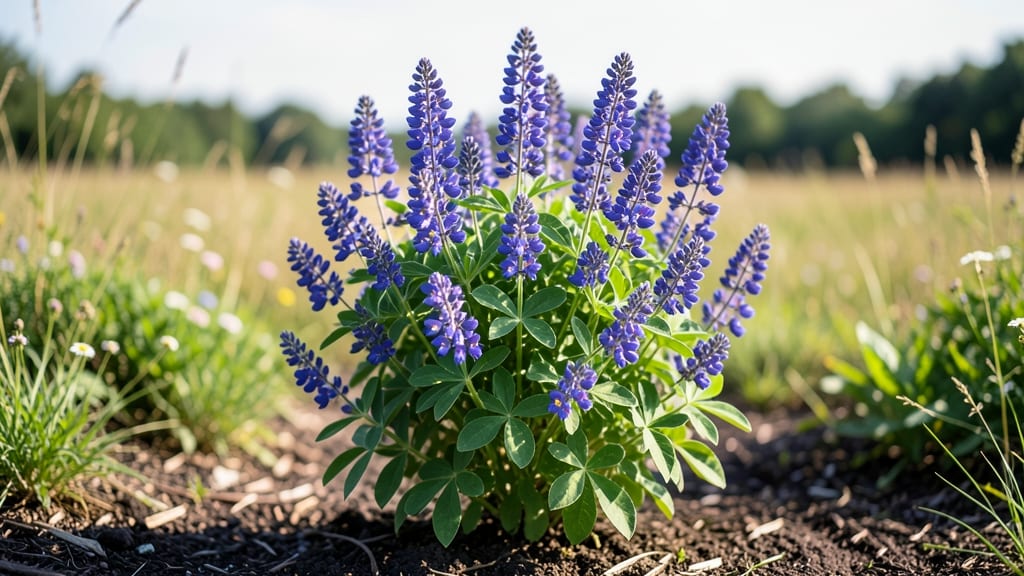
Wondering how tall does false indigo grow in your garden? This stunning perennial 🌸 can transform your landscape with its striking blue-purple blooms—but its height varies wildly depending on the variety you choose.
From compact 2-foot varieties perfect for borders to towering 5-foot giants that make bold statements in the back of beds, false indigo adapts to your space. What’s more, its growth habits are surprisingly easy to manage with the right pruning techniques.
Whether you're planning a pollinator-friendly garden or simply love low-maintenance perennials, understanding false indigo’s mature size is the key to placing it perfectly. Let’s explore how different varieties grow and how to keep them thriving in zones like 6a.
You’ll discover which varieties stay short and bushy, which reach sky-high, and exactly when to prune for the best results. Ready to find your perfect match?


False indigo height by variety: compact to towering options
False indigo (Baptisia) is a drought-tolerant perennial that rewards gardeners with stunning blue-purple blooms and long-lived foliage. But its mature height can vary wildly—from 2-foot dwarf varieties to 5-foot giants.
Choosing the right type ensures your garden layout flows beautifully while meeting your space needs. Let’s break down the most popular varieties by height and growth habits.
For small-space gardens, dwarf varieties like 'Blue Mist' top out at 2-3 feet, making them perfect for border plantings or container growing. Their clumping habit also prevents them from spreading too aggressively.
Meanwhile, standard varieties like 'Purple Smoke' reach 3-4 feet, ideal for back-of-border placements or pollinator-friendly meadows.
If you’re aiming for dramatic vertical interest, taller selections like 'Solar Flare' (yellow blooms) or 'Twilight Zone' (deep purple) can soar to 4-5 feet. These make statement specimens in cottage gardens or prairie-style plantings.
Just remember: taller false indigo needs sturdy stems and supportive soil to avoid flopping in heavy rains.
🌱
When planning your garden layout, consider not just height but also spread. False indigo forms clumps over time, so give each plant 12–36 inches of space depending on the variety.
For example, 'Blue Mist' stays tidy in containers (18-inch pots), while 'Solar Flare' needs room to establish strong roots before reaching its full height.
Pro tip: If you love tall false indigo but have limited space, try pruning in early spring to control height. I’ve seen 'Purple Smoke' kept at 2 feet by cutting back 1/3 of the stems—it still blooms beautifully but stays manageable.
Just avoid heavy pruning after June, or you might reduce next year’s flowers.
For first-year growth, expect false indigo to stay compact. Most varieties grow 1–2 feet in their first year,
False indigo height by variety: compact to towering options
False indigo (Baptisia) is a versatile perennial that can transform your garden with its striking blue, purple, or yellow blooms. But before planting, understanding its mature height is key—some varieties stay compact while others reach towering proportions.
The right choice depends on your garden space and design goals.
Most false indigo varieties mature between 2 to 5 feet tall, but their growth habits vary. Dwarf varieties like 'Blue Mist' stay under 3 feet, making them ideal for borders or containers.
Meanwhile, standard types like 'Solar Flare' can reach 4 to 5 feet, perfect for statement focal points or mixed borders.
| Variety | Mature Height | Spread | Best For |
|---|---|---|---|
| 'Blue Mist' | 2–3 ft | 2–3 ft | Borders, containers |
| 'Purple Smoke' | 3–4 ft | 2–3 ft | Back of borders |
| 'Solar Flare' | 4–5 ft | 3–4 ft | Focal points, pollinator gardens |
| 'Twilight Zone' | 3–4 ft | 2–3 ft | Prairie-style plantings |
When planning your garden layout, spacing is critical. Most false indigo varieties need 2 to 3 feet of space around them to prevent overcrowding. For taller varieties like 'Solar Flare', allow 3 to 4 feet of clearance to ensure airflow and reduce disease risk.
False indigo’s growth rate is moderate. In the first year, expect 1 to 2 feet of growth. By year three, most varieties reach 70-80% of their mature height. Patience pays off—these plants reward long-term gardeners with decades of blooms and pollinator activity.
For small gardens or containers, opt for dwarf varieties like 'Blue Mist'. In larger landscapes, taller types like 'Purple Smoke' create dramatic vertical interest. Always check your variety’s specific traits—some, like 'Solar Flare', may need staking or support as they mature.
Pro tip: If you love false indigo but lack space, consider pruning strategically to control height. Cutting back 1/3 of the plant after blooming can encourage bushier growth and shorter stature over time.