
Size
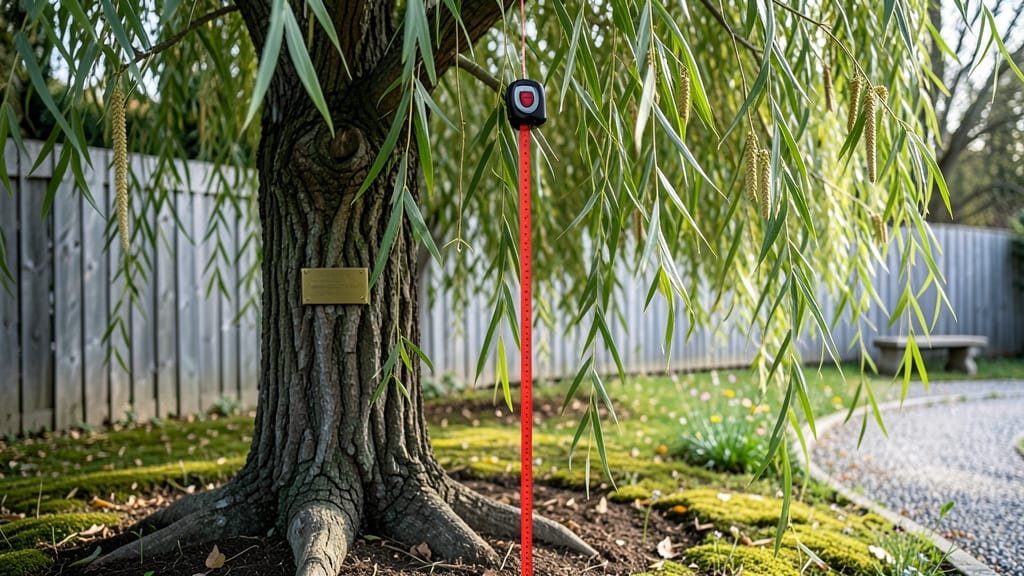
If you're wondering "how tall do weeping willow trees grow", prepare for a surprise—these graceful 🌳 giants can stretch from a modest 20 feet to a towering 50 feet or more, depending on variety and care.
What makes them so fascinating isn’t just their height, but how quickly they reach it—some varieties grow 3–5 feet per year, turning a small sapling into a shade provider in just a few seasons.
But here’s the catch: their rapid growth comes with trade-offs. Without proper pruning or space planning, a weeping willow can easily outgrow small yards, crowding foundations or power lines. The key to managing their height lies in understanding your specific variety—some stay more compact, while others demand serious space.
Let’s break down what you need to know before planting one in your landscape.
Whether you’re dreaming of a serene waterside retreat or a dramatic backyard focal point, knowing how to control a weeping willow’s growth is essential.
I’ll walk you through the factors that influence their height—from soil conditions to pruning techniques—and help you decide if this fast-growing beauty is the right fit for your outdoor space.
Ready to transform your yard with a 🌳 that grows as fast as it impresses? Stick around to learn how to keep your weeping willow’s height in check while maximizing its stunning, drooping charm.


Weeping willow tree height by variety: from compact to towering giants
If you’re wondering how tall weeping willow trees grow, the answer depends entirely on the variety you choose. These trees are famous for their dramatic, cascading branches, but their mature heights can range from a manageable 20-foot specimen to a towering 50-foot giant.
The classic Salix babylonica, the most common type, typically reaches 30–50 feet at maturity, making it a statement piece for large landscapes.
For smaller yards, consider the Salix caprea (goat willow), which grows 20–30 feet tall and has a more compact, weeping habit. Other varieties like Salix alba 'Tristis' (white willow) can also stay on the shorter side, around 25–35 feet, but still require ample space.
Always check the growth rate—weeping willows can add 3–6 feet per year under ideal conditions!
Here’s a quick comparison of popular weeping willow varieties and their mature heights:
When selecting a variety, also consider your climate zone and soil conditions. Weeping willows thrive in USDA zones 5–8 and prefer moist, well-drained soil. In drier climates, growth may slow, while wet soil can accelerate their expansion—sometimes too quickly for small properties.
Always plant near a water source (ponds, streams) to mimic their natural habitat.
If you’re planting near a foundation or driveway, opt for a smaller variety like Salix caprea and monitor root growth closely. These trees develop aggressive root systems that can crack sidewalks or lift pavement over time.
A 20-foot tree today could become a 30-foot monster in just 5 years without proper care!
For a visual growth timeline, track your tree’s height annually. Most weeping willows hit 10 feet in their second year and 20 feet by year three. Use a measuring tape or laser rangefinder to document progress—it’s fascinating (and slightly alarming) how fast they grow!
Pro tip: If you’re unsure about long-term height, start with a container-grown sapling. These are easier to relocate if they outgrow their space. Just remember, transplanting mature weeping willows is nearly impossible—they’re best planted where they’ll stay forever.
🌳
How pruning controls weeping willow height: expert techniques for small yards
If you’re planting a weeping willow in a small yard, pruning isn’t optional—it’s essential. Without control, your Salix babylonica could easily outgrow its welcome, reaching 50 feet in just 15 years. The key is strategic pruning to shape growth early.
Start with selective branch removal during dormancy (late winter) to redirect energy toward height control. Focus on removing the longest branches first—they’re the fastest growers.
For dramatic height reduction, crown reduction is your best tool. Cut back the topmost branches by 20-30% in early spring, just as new growth begins. This forces the tree to focus on lateral branches rather than vertical growth.
Just remember: never remove more than 30% of the canopy at once, or you risk shock and disease. Use clean, sharp pruners and seal cuts with pruning sealant to prevent infection.
- Pruning in fall encourages late-season growth that won’t harden off before winter.
- Over-pruning (more than 30% of canopy) stresses the tree and invites pests.
- Topping the tree (cutting the main trunk) creates weak, stubby regrowth.
Timing matters just as much as technique. Dormant-season pruning (late winter/early spring) is ideal for shaping, while summer pruning can slow growth by reducing leaf surface area. If your willow is already too tall, prioritize removing lower branches first to open up space and improve airflow.
This also makes future pruning safer and more effective.
For stubborn overgrowth, consider gradual reduction pruning. Trim back 10% of the height each year until you reach your target size. Pair this with annual crown thinning to maintain an open, airy canopy.
Just be patient—willows rebound quickly, so consistency is key. With the right approach, you can keep your weeping willow at a manageable 20-30 feet, perfect for small yards.
Don’t forget about root pruning if your tree’s roots are encroaching on foundations or sidewalks. Use a sharp spade to sever aggressive roots in early spring, then monitor for new growth. Combine this with surface mulching (2-3 inches of organic mulch) to discourage lateral root spread.
Mulch also helps retain moisture, which is critical for willows that thrive in moist, well-drained soil.
Finally, invest in a pole saw or extension pruners to reach high branches safely. Always wear gloves and eye protection—willow branches are brittle and can snap back unexpectedly.
With diligent pruning, your weeping willow will stay elegant and contained, rather than becoming a 50-foot skyline dominator that overshadows your entire yard. 🌳