
Size
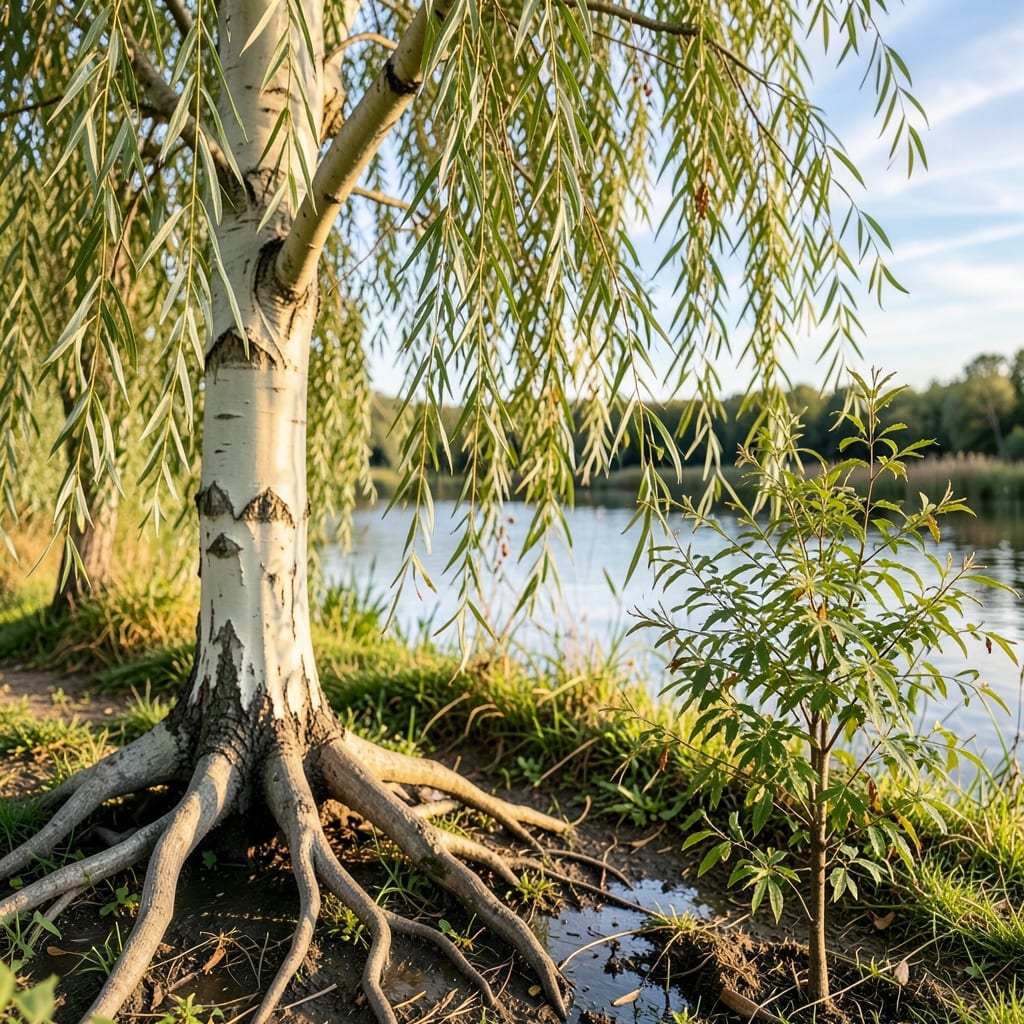
If you’ve ever wondered how tall can willow trees grow, the answer might surprise you—some varieties shoot up to 100 feet or taller in just a few decades, making them the fastest-growing trees on the planet. 🌳 Whether you're planning a privacy screen, a stunning landscape feature, or even a natural windbreak, willow trees are a powerhouse choice for gardeners in USDA Zone 6a and beyond.
But not all willows reach the same heights—some stay modest at 20 feet, while others like the weeping willow or black willow can dominate your yard like a natural skyscraper. The key? Understanding their growth habits, soil needs, and how pruning (or lack of it) can either accelerate or stunt their towering ambitions.
In this guide, I’ll break down the tallest willow varieties, their growth rates, and the secrets to encouraging maximum height—without sacrificing health. Whether you’re planting in early spring or fall, you’ll learn how to give your willow the best shot at reaching its full potential.
Ready to grow a willow that dwarfs your neighbors’ trees? Let’s dive into the fastest-growing giants and how to nurture them into the towering beauties they’re meant to be.

Willow tree height by species: which varieties hit 100 feet?
Willow trees aren’t just fast growers—they’re height champions, with some species reaching 100 feet or taller in ideal conditions. The Weeping Willow (Salix babylonica) is the most famous, but others like the Black Willow (Salix nigra) and White Willow (Salix alba) can also tower over your landscape. Their mature heights depend on species, soil, and climate, but with the right care, you can encourage them to stretch toward the sky.
Not all willows are created equal—some stay compact, while others become natural skyscrapers. For example, the Pussy Willow (Salix discolor) rarely exceeds 15 feet, making it perfect for small gardens, while the Giant Willow (Salix alba ‘Tristis’) can soar to 50–75 feet in just 10–15 years. If you’re after a privacy screen or dramatic focal point, the tallest varieties are your best bet.
Here’s a quick look at the tallest willow species and their growth potential, so you can pick the perfect giant for your yard:
| Variety | Mature Height | Growth Rate | Best For |
|---|---|---|---|
| Weeping Willow (Salix babylonica) | 40–75 ft | 3–5 ft/year | Privacy screens, ponds |
| Black Willow (Salix nigra) | 50–70 ft | 2–4 ft/year | Wetlands, erosion control |
| White Willow (Salix alba) | 50–80 ft | 3–6 ft/year | Fast shade, wildlife habitat |
| Giant Willow (Salix alba ‘Tristis’) | 50–75 ft | 4–6 ft/year | Dramatic landscapes |
| Pacific Willow (Salix lasiandra) | 30–50 ft | 2–3 ft/year | Coastal gardens |
The Weeping Willow and White Willow are the fastest climbers, often adding 3–5 feet per year in their prime. If you’re in USDA Zone 6a or warmer, these giants thrive with full sun and moist soil. In drier climates, they may grow slower but still reach impressive heights with extra watering.
For smaller spaces, consider dwarf varieties like Dwarf Pussy Willow (Salix caprea ‘Pendula’), which maxes out at 10–15 feet. These are perfect for container gardening or urban yards where space is limited. Just remember: even dwarf willows need room to spread their roots—so plant them at least 10 feet from structures.
One common misconception is that all willows grow equally fast. In reality, their speed depends on soil quality, water availability, and pruning habits. For example, a Weeping Willow in a wetland or near a pond can grow twice as fast as one planted in dry, sandy soil. If you’re aiming for a 100-foot giant, focus on moist, fertile soil and minimal pruning.
Before planting, check your local frost dates—willows planted in early spring (March–April) or fall (September–October) establish roots faster, giving them a head start on their skyward journey. In Zone 6a, aim for bare-root planting before the last frost (around April 15) to avoid transplant shock.
If you’re dreaming of a willow canopy taller than your house, the Weeping Willow or White Willow are your best bets. Just be prepared for their aggressive roots—they can spread 50 feet or more from the trunk! For a more manageable giant, the Black Willow offers similar height with slightly less root spread.
🌳
How fast do willow trees grow to 100 feet? Growth rates and timeline
Willow trees aren’t just tall—they’re speed demons. Some varieties, like the Weeping Willow, can grow 3–5 feet per year in ideal conditions, reaching 100 feet in just 20–30 years. That’s faster than most trees, including maples or oaks, which take decades longer to mature. Their rapid growth makes them perfect for quick privacy screens or dramatic landscape features.
The secret to their speed lies in their aggressive root systems and fast leaf production. Willow trees absorb water and nutrients quickly, fueling their vertical growth. In USDA Zone 6a, where frost-free days average 180 days, willows can grow nearly year-round if temperatures stay mild. For example, a White Willow planted in early spring (March–April) might hit 15–20 feet by year 3 and 50 feet by year 10.
Here’s a breakdown of their growth stages and how long it takes to reach 100 feet, so you can plan accordingly:
| Variety | Height at 5 Years | Height at 10 Years | Time to 100 ft |
|---|---|---|---|
| Weeping Willow | 15–20 ft | 30–40 ft | 20–25 years |
| White Willow | 20–25 ft | 40–50 ft | 15–20 years |
| Black Willow | 12–15 ft | 25–30 ft | 25–30 years |
| Giant Willow | 25–30 ft | 50–60 ft | 12–15 years |
The White Willow and Giant Willow are the fastest to hit 100 feet, often achieving it in 15–20 years with optimal care. In contrast, the Black Willow takes longer due to its slower growth rate. To accelerate their height, ensure they get full sun (6–8 hours daily) and consistent moisture, especially during their first 3–5 years of rapid growth.
Seasonal growth matters too. Willow trees grow most aggressively in spring and early summer when temperatures are mild and soil is moist. In Zone 6a, where the last frost hits around April 15, planting in early spring gives them a head start. If you plant in fall (September–October), they’ll still grow but may slow slightly until spring. Avoid planting in late summer, as the tree won’t have time to establish roots before winter.
One common mistake is assuming willows grow equally fast in all conditions. In reality, drought or poor soil can stunt their growth by 50% or more. For example, a Weeping Willow in sandy soil might only grow 1–2 feet per year compared to 3–5 feet in loamy, moist soil. To maximize height, amend your soil with peat moss or compost before planting, and mulch heavily to retain moisture.
If you’re eager to see your willow reach 100 feet faster, focus on watering deeply 2–3 times per week during the first year and avoid over-pruning. Heavy pruning can slow growth by redirecting energy to healing wounds instead of vertical expansion. For a taller, straighter trunk, prune only to remove dead or crossing branches in late winter.
🌿