
Size
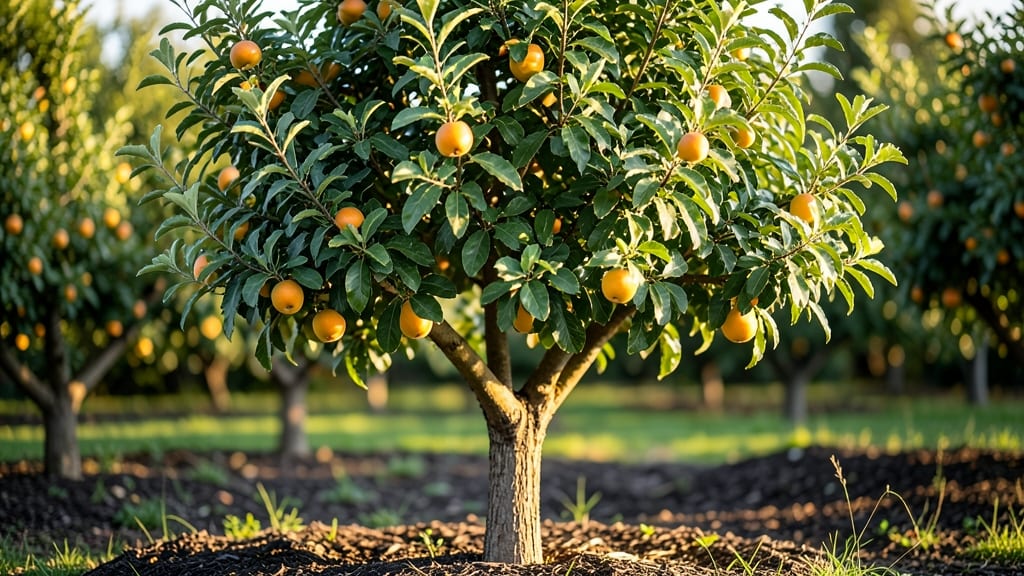
If you’ve ever wondered how tall does a nectarine tree grow, you’re not alone—this question is the first hurdle for many home gardeners eyeing that juicy 🍑 harvest.
The good news? Nectarine trees come in sizes to fit every backyard, from towering 25-foot giants to compact 8-foot dwarfs, making them surprisingly adaptable.
Most standard nectarine varieties mature between 15 and 25 feet tall, which might sound intimidating, but dwarf and semi-dwarf options keep growth manageable.
Whether you’re working with limited space or dreaming of a full-sized orchard, understanding these height ranges is the key to planning your tree’s future—and your garden’s layout.
What really sets nectarine trees apart is how their height impacts everything from fruit access to long-term care. A 10-foot tree is easier to prune and harvest than a 20-footer, but even the tallest varieties can be shaped with the right techniques.
We’ll break down how to control growth, choose the right variety for your space, and keep your tree thriving—no matter its eventual height.
Ready to pick the perfect nectarine for your garden? Let’s dive into the varieties that will fit your space—and your lifestyle—without sacrificing that sweet, summer-ripe payoff.


Nectarine tree height ranges by mature variety: small to giant
If you're planning to grow a nectarine tree in your backyard, one of the first questions you'll ask is: how tall does a nectarine tree grow? The answer varies widely depending on the variety—some stay small enough for containers, while others become towering giants.
Understanding these differences helps you choose the right type for your space and manage long-term care effectively.
Nectarine trees generally fall into three height categories: dwarf, semi-dwarf, and standard. Dwarf varieties are perfect for urban gardens or patios, while standard trees dominate larger landscapes.
Knowing these ranges ensures you allocate enough space for both the tree's growth and future maintenance tasks like pruning and harvesting.
Here’s how the mature height of nectarine trees breaks down by variety, along with their space requirements and ideal growing conditions:
| Variety Type | Mature Height Range | Space Needs | Best For |
|---|---|---|---|
| Dwarf Varieties | 8–12 feet | Small yards, containers, patios | Urban gardens, balconies, small backyards |
| Semi-Dwarf Varieties | 12–18 feet | Medium-sized yards, orchards | Suburban homes, community gardens |
| Standard Varieties | 18–25 feet | Large properties, rural farms | Traditional orchards, spacious backyards |
For example, 'Fantasia' and 'Redglow' are popular dwarf nectarine varieties that top out at 8–10 feet, making them ideal for containers or small spaces. Meanwhile, standard varieties like 'Summergrand' can reach 20–25 feet, requiring ample room to grow and spread their branches.
Climate also plays a role in height. Trees grown in warmer climates (USDA Zones 7–10) tend to grow faster and taller due to longer growing seasons.
In cooler zones, growth may be slower, but proper care can still encourage healthy height development. Always check the specific variety’s recommended zone before planting.
Another factor is rootstock. Dwarf varieties are often grafted onto dwarfing rootstock, which restricts their height and encourages earlier fruiting. Semi-dwarf and standard trees use seedling or semi-dwarfing rootstock, allowing them to grow taller naturally.
If you’re unsure, ask your nursery about the rootstock used for the variety you’re considering.
When planning your nectarine tree’s location, consider not just height but also canopy spread. Standard trees can spread 15–20 feet wide, while dwarf varieties stay under 6–8 feet.
This spread affects how close you can plant the tree to fences, buildings, or other plants to avoid shading issues or root competition.
If you’re working with limited space, container growing is a viable option for dwarf varieties. Use a large pot (at least 18–24 inches in diameter) with drainage holes and well-draining soil.
Just remember that container-grown trees may need more frequent watering and fertilizing to compensate for their restricted root space.
Finally, remember that pruning can influence a tree’s height over time. Even standard varieties can be kept smaller with regular pruning, while dwarf trees may benefit from minimal pruning to maintain their compact shape.
We’ll cover pruning techniques in detail in the next section to help you manage your tree’s growth effectively.
Nectarine tree height ranges by mature variety: small to giant
Nectarine trees come in three primary size categories—dwarf, semi-dwarf, and standard—each with distinct mature height ranges that impact your garden planning. A standard nectarine tree typically reaches 18 to 25 feet tall, while dwarf varieties stay between 8 to 12 feet.
Semi-dwarf varieties bridge the gap at 12 to 18 feet, making them ideal for medium-sized yards.
Your choice of variety directly affects fruit accessibility and yard space requirements. For example, a 25-foot tree needs ample room to avoid shading out other plants or obstructing views.
Meanwhile, a 10-foot dwarf can thrive in containers or small urban gardens. Always check the rootstock type when selecting a tree, as this determines final height.
🌱
| Variety Type | Mature Height | Space Needs | Best For |
|---|---|---|---|
| Dwarf | 8–12 ft | Containers, small yards | Urban gardens, patios |
| Semi-Dwarf | 12–18 ft | Medium yards, espalier | Backyards, orchards |
| Standard | 18–25 ft | Large properties, orchards | Traditional orchards |
Climate and soil conditions also influence height. Trees in warmer climates (USDA Zones 7–10) often grow taller due to longer growing seasons, while those in cooler regions may stay shorter.
For example, the 'Fantasia' nectarine, a semi-dwarf, typically reaches 14–16 feet in Zone 8 but may max out at 12 feet in Zone 6.
When planting, account for canopy spread, which can equal or exceed height. A 20-foot-tall tree might spread 15–20 feet wide, requiring 25–30 feet of space for optimal growth. Always check the variety’s specific spread before purchasing to avoid overcrowding.
Pruning young trees to encourage a strong central leader helps control height early. For standard varieties, aim to reduce height by 25–30% in the first 3 years to improve fruit access and tree stability. Use sharp pruners and sterilized cuts to prevent disease.
If space is limited, consider espalier training to grow trees flat against a fence or wall. This technique can reduce a 15-foot tree to just 6–8 feet tall while maintaining fruit production. Just ensure the wall receives full sun for at least 6 hours daily.