
Size
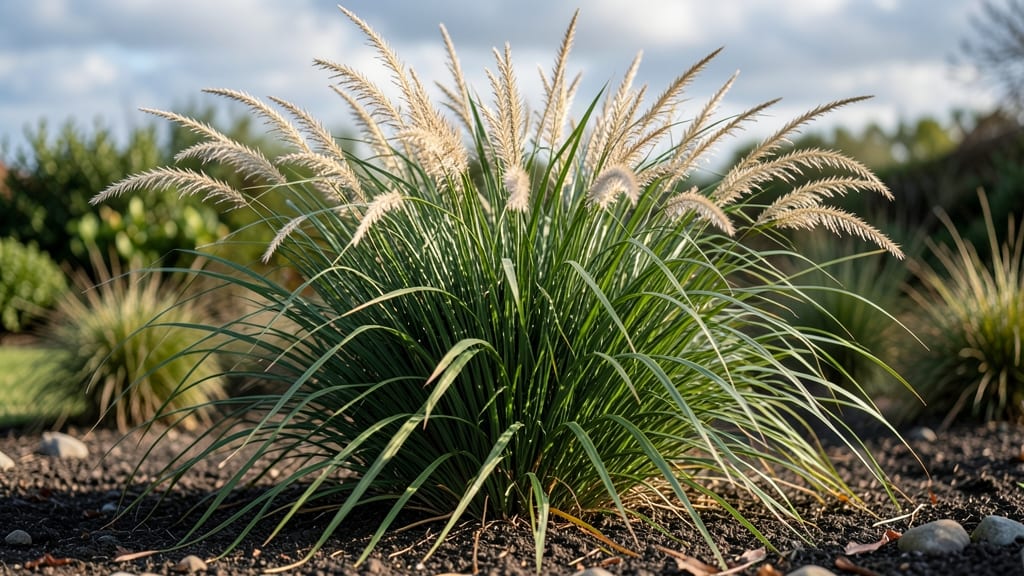
If you're planning your garden layout and wondering how tall does fountain grass grow, you're not alone—this ornamental grass can range from compact 1-foot shrubs to towering 6-foot giants, depending on the variety.
The key to choosing the right type lies in understanding each cultivar's mature height and growth habits, so you can avoid overcrowding or underwhelming spaces.
For example, dwarf varieties like Pennisetum 'Little Bunny' stay under 2 feet, making them perfect for small gardens or container planting, while standard types such as Pennisetum alopecuroides can reach 4 to 5 feet—ideal for bold landscape statements.
Even within the same species, growth habits vary, with some clumping neatly while others spread aggressively.
Sunlight, soil quality, and pruning all play a role in how tall your fountain grass will grow, but the variety you pick is the most important factor.
In USDA Zone 6a, where spring planting is ideal, spacing matters too—planting too closely can stunt growth, while giving it room ensures it reaches its full potential height without competing for nutrients.
Whether you're aiming for a low-maintenance border or a dramatic backdrop, knowing these height ranges helps you make confident choices. Let’s break down the exact dimensions by variety so you can plan your garden with precision.


Fountain grass height ranges by variety: from dwarf to giant
Fountain grass (Pennisetum spp.) is a stunning ornamental grass that adds texture and movement to gardens, but its mature height varies dramatically by variety. Some stay under 2 feet—perfect for containers or small borders—while others soar to 6 feet, dominating large landscapes.
Choosing the right variety depends on your space and design goals, so let’s break down the exact height ranges you can expect.
Most fountain grass varieties fall into three broad categories: dwarf (1–2 ft), semi-dwarf (2–3 ft), and standard (4–6 ft). The spread also matters—some varieties widen aggressively, while others stay compact.
For example, Pennisetum 'Little Bunny' stays under 1.5 feet but spreads 2 feet wide, making it ideal for edging or small gardens.
Here’s the key insight: height isn’t the only factor. Growth habits—whether clumping or spreading—determine how fountain grass fits into your layout. A 6-foot variety like Pennisetum 'Hameln' needs ample space to avoid crowding other plants, while a 2-foot variety like Pennisetum 'Moudry' thrives in tight spots.
| Variety | Mature Height | Spread | Growth Habit | Best For |
|---|---|---|---|---|
| Pennisetum 'Little Bunny' | 1–1.5 ft | 2 ft | Clumping | Containers, borders |
| Pennisetum 'Moudry' | 2–2.5 ft | 2.5 ft | Clumping | Small gardens, mass planting |
| Pennisetum 'Hameln' | 4–5 ft | 3 ft | Clumping | Back of borders, focal points |
| Pennisetum 'Fireworks' | 3–4 ft | 2.5 ft | Clumping | Mixed borders, containers |
| Pennisetum 'Burgundy Bunny' | 1.5–2 ft | 2 ft | Clumping | Edging, rock gardens |
If you’re designing a small garden, prioritize varieties like Pennisetum 'Little Bunny' or Pennisetum 'Burgundy Bunny'—they stay under 2 feet and add color without overwhelming the space. For large landscapes, Pennisetum 'Hameln' or Pennisetum 'Japonicum' (up to 6 feet) create dramatic vertical accents.
One common mistake is assuming all fountain grass grows tall. Dwarf varieties exist, but they often get lumped into the "tall" category by gardeners who overlook their labels. Always check the mature height and spread before planting to avoid crowding other plants.
Sunlight and soil also influence height. Fountain grass in full sun (6+ hours daily) typically reaches its maximum height, while partial shade can stunt growth by 1–2 feet. Well-draining soil prevents root rot, which can weaken stems and reduce height potential.
For example, Pennisetum 'Fireworks' may only reach 2.5 feet in partial shade but can hit 4 feet with full sun exposure. This flexibility lets you adjust growth by choosing the right location—ideal for customizing your garden’s look.
When planning spacing, leave at least 1–2 feet between clumping varieties to allow airflow and prevent disease. Spreading types like Pennisetum alopecuroides may need 3 feet of clearance to avoid spreading into unwanted areas.
Pro tip: If height is a concern, prune in late winter to control growth. Cut back 2/3 of the plant to encourage bushier, shorter regrowth—this works especially well for taller varieties like Pennisetum 'Hameln' in small spaces.
How fountain grass growth rate affects height and maintenance needs
Fountain grass isn’t just about its mature height—its growth rate determines how quickly it reaches that height and how much maintenance you’ll need. Some varieties shoot up 2 feet in a single season, while others grow steadily over years.
Understanding these differences helps you plan for pruning, spacing, and even seasonal care to keep your garden looking its best.
Fast-growing varieties like Pennisetum 'Little Bunny' can add 12–18 inches per year, while slower growers like Pennisetum 'Hameln' may take 3–4 years to reach their full height.
This growth rate also affects how often you’ll need to trim back dead foliage or control spread—especially in smaller gardens where space is limited.
Seasonal fluctuations play a big role too. Most fountain grasses grow most aggressively in spring and summer, with growth slowing or halting in fall and winter.
This means you’ll see the most dramatic height increases during the peak growing months, which is also when they need the most attention.
Here’s how growth rate impacts your maintenance routine:
- Fast growers (12"+/year): Need quarterly pruning to maintain shape and prevent overcrowding.
- Moderate growers (6–12"/year): Require 2–3 prunings per year, typically in late winter and mid-summer.
- Slow growers (<6"/year): Only need annual pruning or light trimming to remove dead fronds.
- All varieties: Benefit from late-winter pruning to encourage fresh, upright growth for the season.
Pruning isn’t just about height control—it’s also about health. Cutting back dead or brown fronds in early spring promotes new growth and prevents pests or diseases from taking hold.
For taller varieties, use sharp pruners or hedge shears to clean up the base while leaving some lower foliage for texture.
If you’re growing fountain grass in containers, growth rates may slow slightly due to root restriction, but they’ll still follow the same seasonal patterns. Just be sure to repot every 2–3 years to give roots room to expand and support healthy height growth.
For the best results, monitor your fountain grass’s growth throughout the season. If you notice uneven growth or leaning stems, it might need more sunlight or balanced fertilizer. With the right care, even the fastest growers will stay controlled and stunning in your landscape. 🌿