
Plants
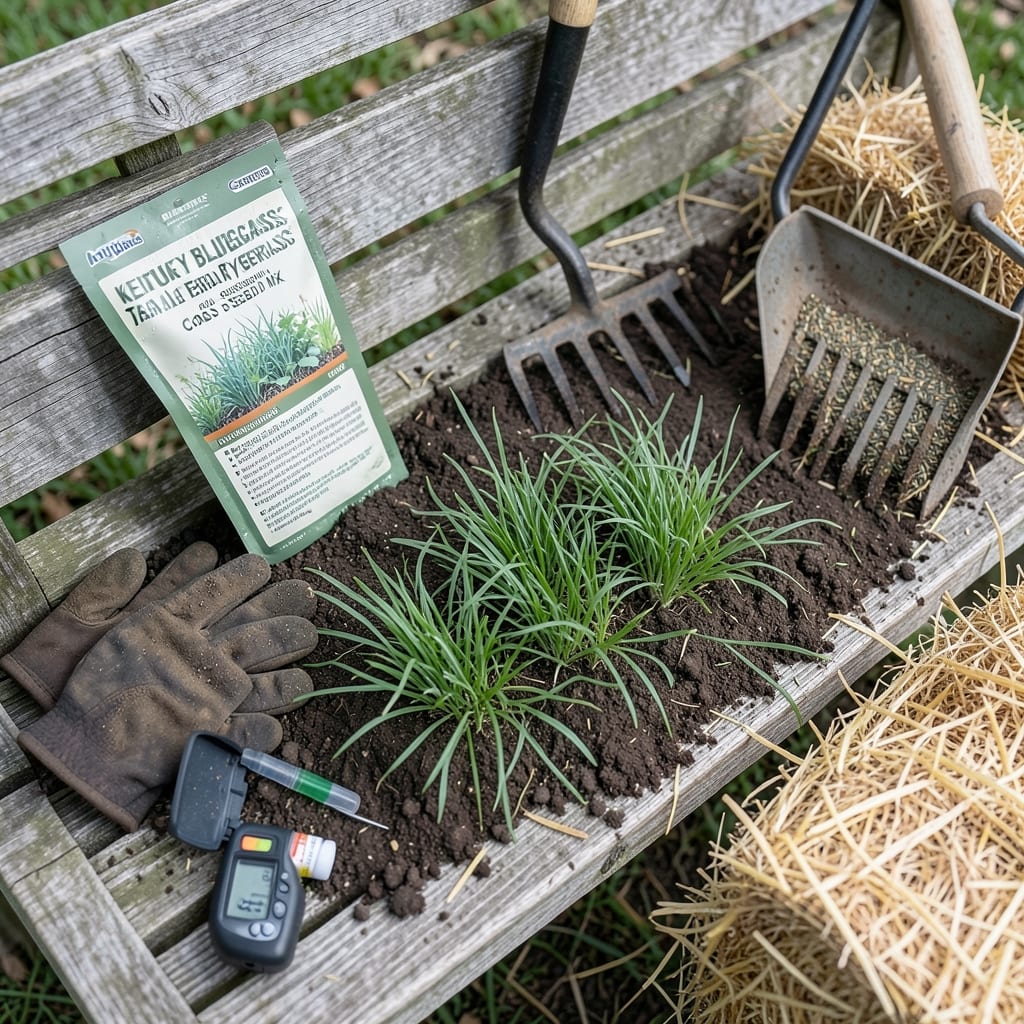
Planting grass seed in the fall is your golden ticket to a thicker, greener lawn—but timing is everything. Too early, and frost will zap your seedlings before they take root. Too late, and winter dormancy kicks in before your grass gets a strong start. The key? Knowing your USDA zone and local frost dates to lock in the perfect 4-6 week window before the first chill hits.
Let’s cut through the guesswork. Whether you’re in Zone 6a or beyond, I’ll break down the exact months to plant based on your climate—plus how to adjust if you’re pushing the season’s limits. No more second-guessing whether your soil is ready or if you’ve missed the boat.
You’ll also discover why fall planting beats spring hands-down: cooler temps mean less stress on seedlings, and fewer weeds mean your grass gets the head start it deserves. Ready to transform your lawn? Let’s dive into the strategies that work, no matter where you live.
From soil prep to variety selection, I’ve got the step-by-step plan to ensure your grass seed thrives—even if you’re not a green thumb. Skip the trial-and-error and plant with confidence this fall.
Best fall grass seed planting months by USDA climate zone
Fall planting gives your grass seed a 4-6 week head start before winter dormancy, but the exact timing depends on your USDA zone. In Zones 3-5, aim for late August to mid-September—this ensures seedlings establish roots before the first hard frost. For Zones 6-7, stretch your window to early September to early October, while Zones 8-10 can plant as late as November (though avoid planting when soil temps drop below 50°F).
Why? Cooler fall temps reduce water stress and weed competition, while longer daylight hours fuel growth. The key is planting 4-6 weeks before your average first frost date—check your local National Weather Service data for precision. For example, in Zone 5a, that’s typically September 1-15, while Zone 9a can plant until mid-November.
Regional exceptions matter! In the Pacific Northwest, milder winters let you plant later (up to October 15), while the Deep South (Zones 8-10) may need to plant by early November to avoid winter rains. Always verify your last frost date—planting too late risks dormancy before roots form, leaving gaps for weeds.
Soil temperature is your true guide, not just calendar dates. Use a soil thermometer to confirm temps are between 60-75°F at planting time. If your soil cools below 50°F, germination slows dramatically. Pro tip: In Zones 4-6, test soil temps in the morning—afternoon sun can skew readings.
| USDA Zone | Ideal Planting Window | Soil Temp Range | Key Considerations |
|---|---|---|---|
| Zones 3-5 | Late August - Mid-September | 60-75°F | Frost risk high; prioritize cold-hardy varieties like tall fescue. |
| Zones 6-7 | Early September - Early October | 60-70°F | Balanced window; avoid planting after October 15 in Zone 6. |
| Zones 8-10 | September - Mid-November | 55-65°F | Warm-season grasses (e.g., Bermuda) need earlier planting. |
| Pacific Northwest | Late August - October 15 | 55-70°F | Milder winters extend window; fine fescue thrives here. |
| Deep South (Zones 8-10) | September - Early November | 60-75°F | Avoid planting after first frost; drought risk increases. |
Missed the ideal window? Don’t panic. If your soil is still above 50°F and frost isn’t forecasted for 2-3 weeks, you can plant up to 2 weeks before the first frost. Use a frost blanket to protect seedlings if nights dip below 32°F. For Zones 3-5, this might mean planting in early October—just choose cold-hardy varieties like Kentucky bluegrass or perennial ryegrass.
Pro move: Pair your planting date with soil prep. Loosen soil to 4 inches deep and mix in compost 2 weeks before seeding. This gives roots room to establish before winter. In sandy soils, add peat moss to retain moisture; in clay soils, incorporate sand for drainage. Test your soil’s pH too—aim for 6.0-7.0 for most grasses.
Here’s a quick zone-specific
How to adjust your planting timeline for late fall or early winter
If your fall window feels too tight, don’t stress—you can still plant grass seed successfully by adjusting your timeline and using smart strategies. The key is to push your planting date 2-3 weeks later than ideal while ensuring your soil stays above 50°F and frost isn’t imminent. In Zones 3-5, this might mean planting in early October instead of September, while Zones 6-7 can stretch to mid-October.
Use a soil thermometer to confirm temps are 50-60°F—this is the sweet spot for late-season germination. If your soil drops below 45°F, germination slows dramatically, and seedlings may not survive. Check your local National Weather Service for first frost dates—planting 2 weeks before gives your grass time to establish roots before dormancy sets in.
For Zones 8-10, late fall planting is riskier due to winter rains and potential drought stress. If you’re in this zone and planting after November 1, opt for warm-season grasses like Bermuda or Zoysia, which tolerate cooler temps better than cool-season varieties. Always avoid planting when frost is forecasted within 10 days—your grass won’t have enough time to establish.
⚠️ Late Fall Planting Risks
- Frost damage: Seedlings can’t survive 32°F+ temps without protection.
- Slow germination: Soil temps below 50°F delay sprouting by 3-5 days.
- Weed competition: Cooler temps let weeds like chickweed outcompete grass.
- Dormancy too soon: Grass may go dormant before roots form.
Solution: Use frost blankets or row covers to protect seedlings if nights dip below 32°F. Choose cold-hardy varieties like tall fescue or perennial ryegrass.
Need to plant even later? Consider overseeding instead of full reseeding. Overseeding spreads less seed over existing grass, reducing costs and stress on your lawn. Use a slit seeder to create small cuts in the soil, then apply half the recommended seed rate. This method works well in Zones 5-7 if you plant by mid-October—just avoid overseeding if your lawn has active weeds or thatch buildup.
For extreme late planting (e.g., November in Zones 6-7), focus on soil protection. Apply a thin layer of straw mulch (¼ inch) to insulate seeds and retain moisture. Avoid heavy mulch—it can smother seedlings. Water lightly but frequently (every 2-3 days) to keep soil moist without causing runoff. If frost hits, cover seedlings with a breathable frost blanket during the day to allow sunlight while trapping warmth at night.
Remember: Fall planting is still better than spring—even if you’re pushing the timeline. Cooler temps mean less water stress, fewer weeds, and stronger root growth before winter. With the right adjustments, your grass will outperform spring-planted lawns by next summer. 🌱