
How To
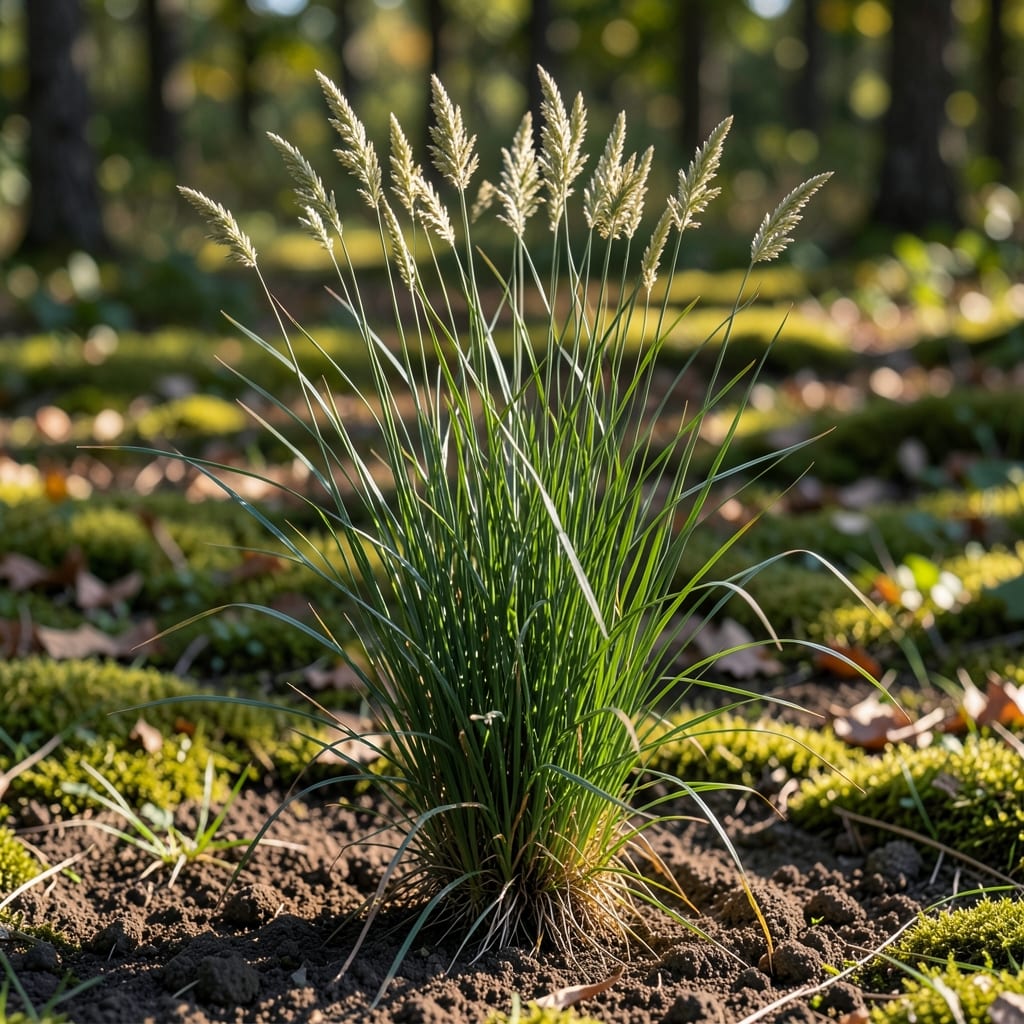
Wondering how long does tall fescue take to grow from bare soil to lush green? The answer depends on more than just time—it’s about the right conditions meeting your patience (and a little know-how).
From the first sprouts peeking through the soil (5-14 days after planting) to a fully established lawn (6-8 weeks later), tall fescue 🌱 has a predictable rhythm—but only if you play by its rules. Too much heat, uneven moisture, or poor soil prep can turn that timeline into a waiting game. Let’s cut through the guesswork so you can set expectations and speed up the process.
Here’s the game-changer: planting in late summer to early fall (the ideal window for zone 6a) gives tall fescue the best shot at thriving before winter sets in. But even with perfect timing, soil temperature and water consistency can shave days—or weeks—off that growth timeline. I’ll walk you through the fastest way to get results without overhauling your yard.
Whether you’re seeding a new lawn or patching bare spots, knowing these key stages will help you avoid common pitfalls. Ready to turn that patchy soil into a thick, resilient carpet? Let’s dive into the timeline—and how to make every day count.

Tall fescue germination timeline: week-by-week growth stages explained
If you’ve ever planted tall fescue seeds and wondered, "how long does tall fescue take to grow?", the answer starts with understanding its three-phase germination timeline. Unlike fast-growing annuals, tall fescue is a cool-season grass that plays by its own rules—especially when it comes to soil temperature and moisture. Let’s break down what to expect week by week, so you can track progress like a pro.
The first 5-14 days after planting are all about seed germination. During this stage, seeds absorb moisture and begin to sprout tiny roots. You’ll see the first green blades pushing through the soil, but don’t expect a thick lawn yet—this is just the beginning. Consistent moisture is critical here; letting the soil dry out can stall germination entirely.
By week 3-4, your tall fescue should enter its rapid growth phase. This is when those initial sprouts start to fill in, forming a dense mat of grass. If you’ve planted in late summer or early fall, this phase aligns perfectly with cooler temperatures, which tall fescue loves. However, if you plant in spring or late fall, growth may slow due to temperature extremes.
Here’s the kicker: full establishment (when your lawn is thick enough to handle foot traffic) typically takes 6-8 weeks. But don’t rush it—rushing watering or mowing too early can damage delicate roots. Patience here pays off with a resilient, drought-tolerant lawn that outlasts many other grass types.
Now, here’s the secret weapon for speeding up this timeline: soil temperature. Tall fescue germinates best when soil temps are between 60-75°F. If your area hits 80°F+, germination slows dramatically. That’s why late summer planting (August-September) is ideal—it gives seeds time to sprout before winter dormancy.
Another game-changer? Seed quality. Cheap, low-grade seeds may take 2-3 weeks longer to germinate and produce weaker grass. Invest in certified tall fescue seed with a high pure live seed (PLS) count (aim for 80% or higher). This ensures faster, more uniform growth from day one.
Watch for uneven sprouting, which often signals inconsistent moisture or poor seed-to-soil contact. If you notice patches where seeds didn’t sprout, lightly rake the area and water again. Sometimes, a gentle topdressing with compost can give struggling seeds the boost they need.
By week 6, your tall fescue should be 50-70% established, meaning it’s ready for its first mow (set your lawnmower to 3-4 inches to avoid scalping delicate blades). If you’ve followed the timeline closely, you’ll see a thick, green carpet by week 8—proving that patience and the right conditions pay off big time.
Pro tip: Take weekly photos of your lawn’s progress. Not only does it help track growth, but it’s also a great way to spot issues early—like fungal spots or insect damage—before they become major problems. 🌱
How to speed up tall fescue growth: pro tips for faster germination
If you’re asking how long does tall fescue take to grow, the answer isn’t just about time—it’s about optimizing conditions to cut weeks off the timeline. While the standard 6-8 week establishment period is realistic, you can push your lawn to thrive 2-3 weeks faster with these science-backed strategies. The key? Soil prep, watering precision, and smart timing. Let’s dive into the moves that make the difference.
First, plant at the right time. Tall fescue loves cool weather, so aim for late summer to early fall (August-September in zone 6a). Planting in spring or late fall risks slow germination due to temperature extremes. Pro tip: Check soil temps—ideal germination happens at 60-75°F. Use a soil thermometer to confirm before seeding.
Next, prep your soil like a pro. Tall fescue thrives in well-draining, slightly acidic soil (pH 6.0-7.0). Before planting, till the top 4-6 inches of soil to loosen compaction, then mix in 2-3 inches of compost. This boosts nutrient availability and improves water retention. Skip the heavy clay? Amend with sand or peat moss to create the perfect texture.
- ⏳ Plant in late summer/early fall for ideal soil temps (60-75°F).
- 💧 Water deeply 2x daily (morning + evening) for first 2 weeks.
- 🌱 Use high-quality seed (PLS count ≥80%) for faster, uniform sprouts.
- 🔄 Avoid compacting soil—walk lightly or use a board to prevent crushing seeds.
- ✂️ Skip mowing until grass reaches 3-4 inches (usually week 6-8).
Watering is where most gardeners trip up. Tall fescue needs consistent moisture during germination, but overwatering can suffocate seeds. Here’s the trick: water deeply twice daily (morning and evening) for the first 2 weeks, then taper to 1-1.5 inches per week once sprouts appear. Use a rain gauge or tuna can to measure—eyeballing it leads to uneven growth. Pro move: Water slowly to avoid runoff, which can wash seeds away.
Don’t overlook seed quality. Cheap, low-grade seeds may take 2-3 weeks longer to germinate and produce weaker grass. Invest in certified tall fescue seed with a pure live seed (PLS) count of 80% or higher. Brands like Jonathan Green or Pennington offer fast-germinating varieties like ‘Titan’ or ‘Kentucky 31’, which sprout 30-50% faster than generic mixes.
Avoid these common mistakes that stall growth: Skipping soil prep, planting too deep (seeds need light to sprout), or mowing too early. Even a light mow before week 6 can damage delicate roots. Instead, wait until grass reaches 3-4 inches before mowing—this encourages deeper root growth and a thicker lawn long-term.
For an extra boost, try a starter fertilizer with high phosphorus (P) (look for a 10-20-10 NPK ratio). Apply it lightly at planting time to jumpstart root development. Just don’t overdo it—too much fertilizer can burn young seedlings. After establishment, switch to a balanced fertilizer every 6-8 weeks during the growing season to keep your lawn lush.
With these tweaks, you’ll shave 2-4 weeks off the standard timeline, giving you a thick, resilient lawn in as little as 4-6 weeks instead of 8. The secret? Precision over effort. Small adjustments—like soil temp checks, measured watering, and high-quality seed—add up to big results. Now go turn that bare soil into a dream lawn! 🌱