
Shrubs
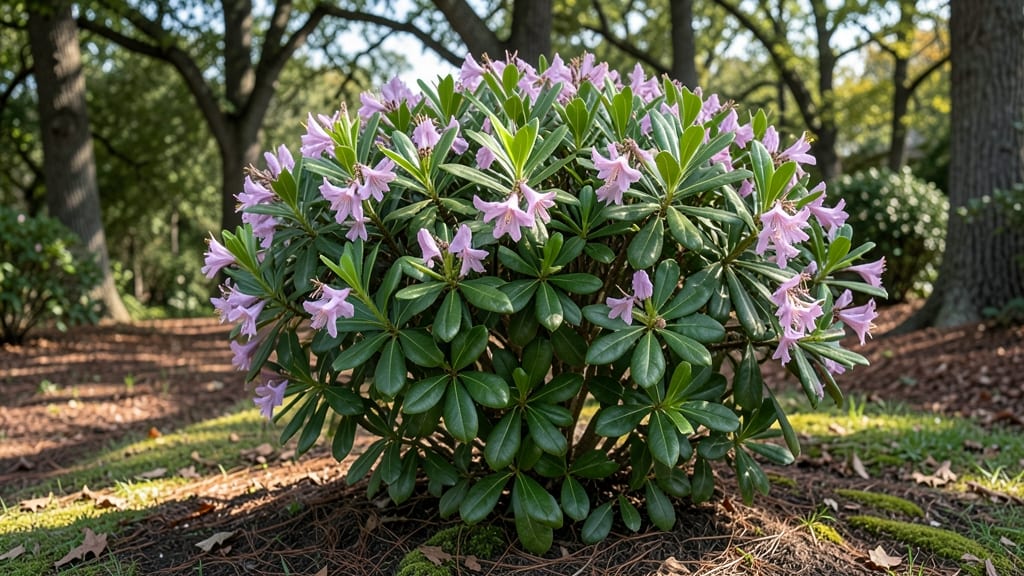
If you're wondering how tall do mountain laurels grow, the answer might surprise you—these stunning 🌸 shrubs can range from compact 3-foot dwarfs to towering 15-foot giants, depending on the variety and where you live.
Picture this: a fragrant, evergreen shrub that adds year-round interest to your landscape, but you're not sure if it'll fit your space. Mountain laurels thrive in USDA Zones 5-9, and their mature height varies dramatically—some stay shrub-sized, while others grow into small trees.
The key lies in choosing the right variety for your climate and garden size.
Whether you're planning a small garden border or a woodland-edge planting, understanding these growth patterns helps you make the perfect selection. I'll break down the exact height ranges by popular varieties and how your local climate influences their growth—so you can visualize their mature size before planting.
Ready to transform your yard with these versatile shrubs? Let's explore how to pick the perfect mountain laurel for your space and climate, plus tips to manage their size naturally.


Mountain laurel height ranges by variety: from dwarf to giant shrubs
Mountain laurels (Kalmia latifolia) are stunning evergreens that can transform your landscape, but their mature height varies dramatically by variety. Some stay as compact shrubs perfect for borders, while others grow into small trees that need room to shine.
Knowing these ranges helps you plan spacing and design with confidence.
If you’re working with limited space, dwarf varieties like 'Elf' or 'Little Lindy' are ideal—they top out at just 3-5 feet tall. On the other end, standard varieties like 'Owl' or 'Pink Charm' can reach 10-15 feet, making them statement plants for large gardens or wooded areas.
🌱
| Variety | Mature Height | Spread | Growth Rate | Best For |
|---|---|---|---|---|
| 'Elf' | 3-5 ft | 3-4 ft | Slow to moderate | Borders, containers, small gardens |
| 'Little Lindy' | 4-6 ft | 4-5 ft | Moderate | Foundation plantings, hedges |
| 'Owl' | 6-10 ft | 5-8 ft | Moderate to fast | Specimen plant, woodland gardens |
| 'Pink Charm' | 10-15 ft | 8-10 ft | Fast | Large landscapes, privacy screens |
| 'Elsie Purnell' | 5-8 ft | 4-6 ft | Slow | Rock gardens, alpine slopes |
The 'Elf' variety is my go-to for small spaces—it stays under 5 feet and blooms profusely with pink flowers in spring. For a bold statement, 'Pink Charm' can grow taller than a standard door (6-7 feet), making it perfect for privacy screens or woodland edges.
Most mountain laurels take 5-10 years to reach their mature height, so patience is key. In optimal conditions—like acidic, well-draining soil and partial shade—they grow faster. However, poor soil or competition from roots can stunt their growth significantly.
If you’re unsure which variety to choose, consider your garden’s scale and the mountain laurel’s role. For example, 'Little Lindy' works beautifully as a foundation planting near driveways, while 'Owl' thrives as a specimen plant in shady corners.
🌿
One common mistake is assuming all mountain laurels grow to 10+ feet. In reality, dwarf varieties are bred specifically to stay under 5 feet, so always check the tag or description before purchasing. This saves you from overcrowding or pruning struggles later.
For fast-growing varieties, 'Pink Charm' is the exception—it can add 1-2 feet per year if given ideal conditions. To encourage compact growth, prune lightly after flowering and avoid heavy fertilization, which can lead to leggy, weak stems.
🪴
How climate zones affect mountain laurel growth height
Your mountain laurel height depends heavily on where you live. These shrubs thrive in USDA zones 4-8, but their growth habits shift dramatically between northern and southern climates.
In cooler zones like Zone 4-5, expect slower growth and shorter mature heights, while warmer zones like Zone 7-8 encourage taller, more vigorous plants. This variance isn’t just about temperature—it’s also tied to daylight hours, soil moisture retention, and even winter chill requirements.
For example, a standard mountain laurel in Zone 6 might reach 8-10 feet over 10 years, while the same variety in Zone 8 could easily top 12-15 feet. The difference? Longer growing seasons in the south allow for extended root and shoot development.
In northern climates, growth slows during shorter summers, keeping plants more compact. Microclimates—like a south-facing slope or protected valley location—can also push heights up by 2-3 feet compared to exposed sites.
Sunlight also plays a surprising role. In partial shade (their preferred condition), mountain laurels grow 20-30% taller than in full sun, where they may become leggy and require more structural support.
The trade-off? Too much shade—especially in Zone 7+—can stunt growth entirely. If you’re in a humid southern climate, prioritize morning sun with afternoon shade to balance height and health.
Soil moisture is another game-changer. In drier zones like Zone 6-7, mountain laurels develop deeper root systems to access water, which can make them 1-2 feet taller than their counterparts in wet climates.
In Zone 8+, where summers are hot and dry, mulching with 3-4 inches of organic matter (like pine bark) helps retain moisture and supports taller growth. Without this, plants may struggle to reach their full potential height.
If you’re planting in Zone 5 or colder, choose northern-adapted varieties like 'Elf' or 'Little Lindy', which naturally stay shorter (3-5 feet) and handle harsh winters better.
In Zone 8+, opt for 'Owl' or 'Pink Charm', which thrive in heat and can reach 10+ feet with proper care. Always check the USDA zone range on your plant tag—it’s your best guide for predicting height.
Pro tip: Use local nursery plants instead of mail-order seedlings. These are already adapted to your microclimate and will grow more predictably. And if you’re in a transition zone (like Zone 6b), expect 1-2 feet of variation in height depending on your specific elevation and exposure.