
Size
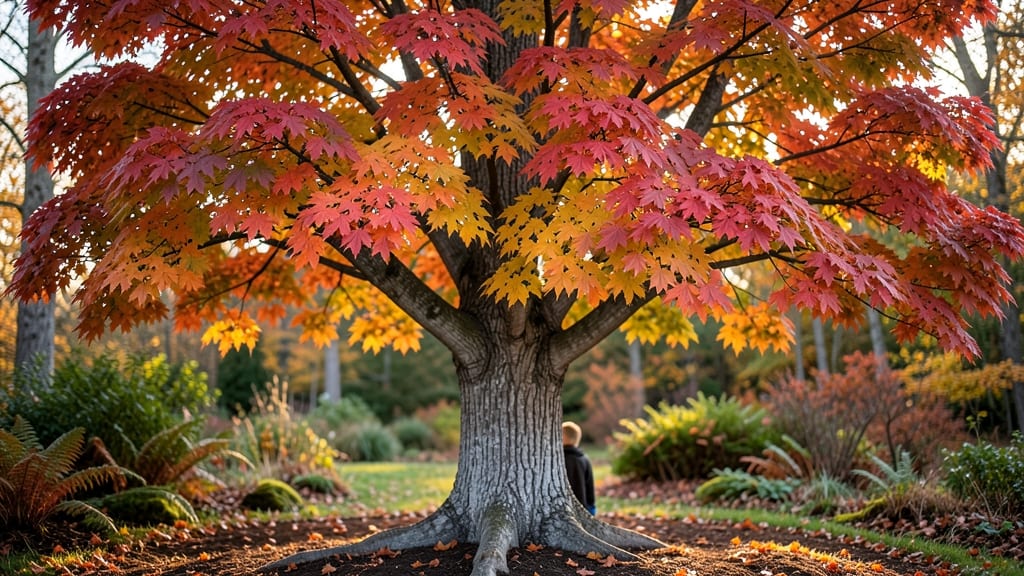
If you're planning to plant a sugar maple 🌳 in your landscape, you're probably wondering just how tall these stately trees can grow—and whether your yard can handle their impressive stature.
The answer might surprise you, as sugar maples often reach heights of 60 to 80 feet at maturity, making them one of the most majestic trees for large properties or park settings.
But here's the thing: their growth rate and final height depend on more than just genetics. Factors like your USDA zone (6a and beyond), soil quality, and sunlight exposure play a huge role in determining how quickly they'll tower over your landscape.
In ideal conditions, these trees can grow 2 to 3 feet per year during their early years, though that pace slows as they mature.
Whether you're dreaming of a towering shade provider or need to plan spacing for multiple trees, understanding these growth patterns is key. I'll break down what to expect based on your location and how proper care—like pruning and soil prep—can influence their height over time.
Let's dive into the details so you can decide if a sugar maple is the right fit for your outdoor space and long-term landscaping goals.


Sugar maple mature height by US hardiness zones: what to expect
The sugar maple (Acer saccharum) is one of North America's most iconic trees, known for its brilliant fall foliage and towering stature. But how tall can you expect your sugar maple to grow? The answer depends heavily on your USDA hardiness zone, regional climate, and growing conditions.
In ideal settings, these trees can reach 60 to 80 feet tall, with some specimens exceeding 100 feet in their native forests.
Understanding these variations helps you plan spacing, pruning, and long-term landscape integration. For example, a sugar maple in Zone 3 may grow slightly slower than one in Zone 7 due to colder winters.
Meanwhile, urban planting can restrict growth compared to rural, open spaces. Let’s break down what to expect by zone and environment.
| USDA Zone | Mature Height (ft) | Growth Rate (ft/year) | Climate Impact |
|---|---|---|---|
| 3-4 | 50-65 ft | 0.5-1 ft | Slower growth due to cold winters |
| 5-6 | 60-75 ft | 0.8-1.2 ft | Moderate growth, typical for most regions |
| 7-8 | 70-80+ ft | 1-1.5 ft | Faster growth in milder climates |
| Urban Areas | 40-60 ft | 0.3-0.8 ft | Restricted root space slows growth |
| Rural/Forest | 80-100+ ft | 1.2-2 ft | Optimal conditions for maximum height |
Note: Height can vary based on soil quality, water availability, and pruning practices.
In Zones 3 and 4, sugar maples grow more slowly due to shorter growing seasons and colder winters. These trees may take 50+ years to reach their full height of 50 to 65 feet.
However, once established, they thrive in these conditions, making them a hardy choice for northern climates.
For gardeners in Zones 5 through 8, expect faster growth rates, with mature heights ranging from 60 to 80 feet. In Zone 7 and 8, where winters are milder, sugar maples can grow 1 to 1.5 feet per year during their prime growth years.
This accelerated growth makes them ideal for landscapes where you want quicker shade and aesthetic impact.
Urban environments present unique challenges for sugar maple growth. Restricted root zones and compacted soil often limit their height to 40 to 60 feet, even in optimal zones. To maximize growth in cities, plant in well-amended soil and avoid planting near sidewalks or buildings that could hinder root expansion.
If you're planting a sugar maple in a rural or forest setting, you’ll see the most dramatic growth. These trees can reach 80 to 100 feet or more with 1.2 to 2 feet of growth per year during peak years.
The key to achieving this height is providing full sun exposure, well-draining soil, and ample space for root development.
One common misconception is that sugar maples grow uniformly in all directions. In reality, their canopy spread (typically 30 to 50 feet wide) often exceeds their height in younger trees.
This means you’ll need to account for both height and width when planning your landscape. Always leave at least 40 feet of clearance around the base for mature growth.
Pruning plays a crucial role in managing height. While sugar maples don’t require heavy pruning, regular maintenance can encourage a stronger structure and prevent overgrowth. Avoid topping the tree, as this can lead to weak branches and reduced longevity.
Instead, focus on structural pruning in late winter or early spring to shape the tree while it’s dormant.
For those in coastal regions or areas with high humidity, sugar maples may grow slightly taller due to increased moisture availability. However, they’re still susceptible to disease pressure like tar spot fungus, which can affect overall health and growth. Always choose disease-resistant cultivars if you’re in a high-risk area.
Before planting, check local regulations, as some municipalities have height restrictions for trees in residential areas. A sugar maple’s majestic height is a gift, but it’s essential to plan accordingly to avoid future issues with power lines or neighboring structures.
With the right conditions, your sugar maple will reward you with decades of shade, beauty, and that iconic fall color.
Sugar maple mature height by US hardiness zones: what to expect
Understanding how tall sugar maples grow in your specific USDA hardiness zone is essential for planning your landscape. These trees thrive in zones 3 through 8, but their mature height can vary significantly based on climate and growing conditions.
In ideal conditions, sugar maples reach 60 to 80 feet tall, but urban environments or poor soil can limit their growth to 40 to 50 feet.
In colder zones like 3 and 4, sugar maples grow more slowly but often reach their full height potential due to cooler temperatures and longer growing seasons.
Meanwhile, in warmer zones like 7 and 8, they may grow faster but can sometimes struggle with heat stress, which may slightly reduce their mature height.
Here’s a quick breakdown of what to expect based on your zone:
| USDA Zone | Average Mature Height | Growth Rate | Notes |
|---|---|---|---|
| 3-4 | 60-80 ft | Slow to moderate | Cooler climates promote taller growth |
| 5-6 | 55-75 ft | Moderate | Ideal balance of sun and moisture |
| 7-8 | 40-60 ft | Moderate to fast | Heat stress may limit height |
Urban planting can also affect height. Trees grown in smaller spaces or with limited root zones may not reach their full potential. If you’re planting near power lines or structures, consider pruning to manage height while maintaining the tree’s health.
For optimal growth, ensure your sugar maple has well-draining soil and full sun exposure. In areas with poor soil, amending with compost can encourage stronger root development, helping the tree reach its full height potential.
If you’re planting near other trees or structures, leave at least 30 to 50 feet of clearance to avoid future conflicts as the tree matures. Proper spacing ensures your sugar maple has room to grow into the stunning shade provider you’re envisioning.