
Size
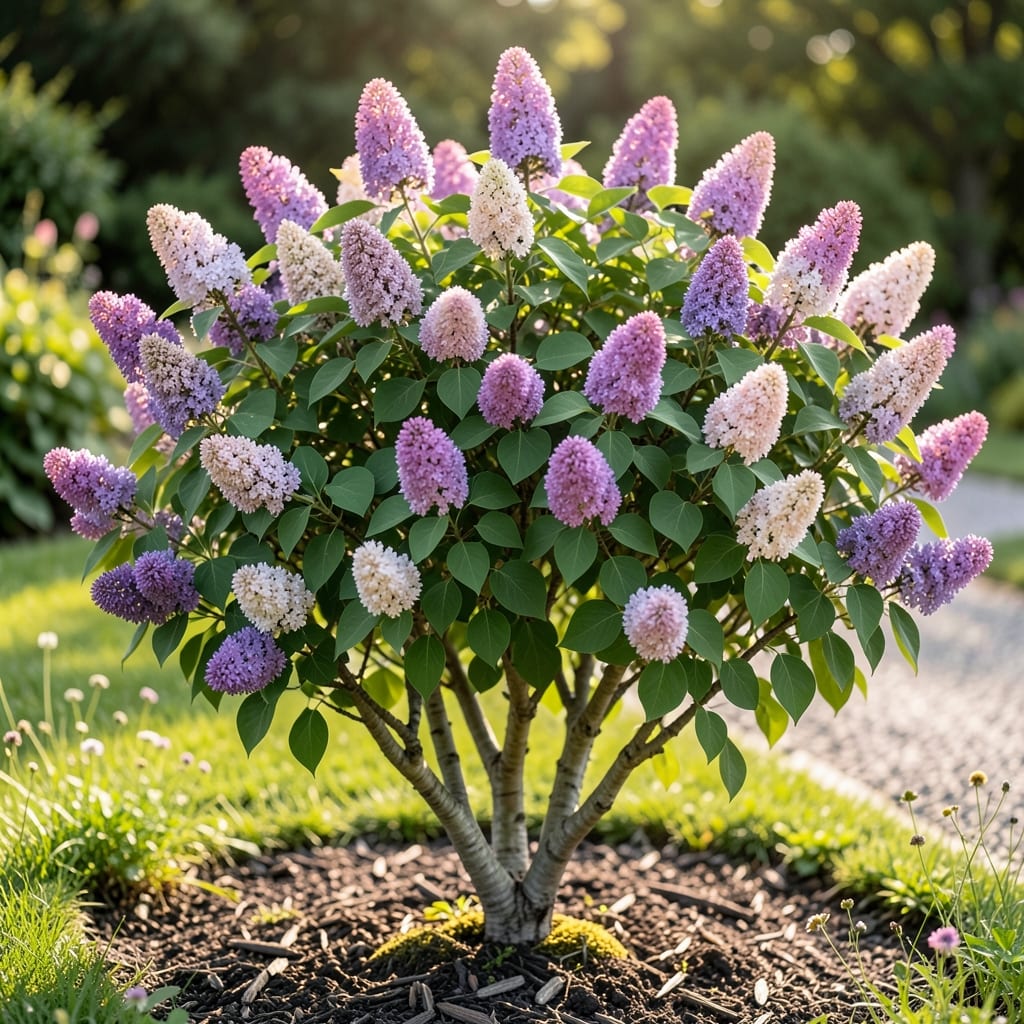
If you're wondering how tall can lilacs grow, the answer might surprise you—these fragrant shrubs can reach heights of 8 to 15 feet in ideal conditions, turning your backyard into a towering purple paradise. The common lilac (🌸 Syringa vulgaris) is the classic tall variety, while dwarf types stay compact at just 4 to 6 feet, making them perfect for smaller gardens.
But here's the catch: their final height depends on more than just genetics. Pruning plays a huge role—cutting back too late can stunt growth, while strategic trimming encourages fuller blooms. Even soil quality and sunlight exposure can push a lilac toward its maximum height or keep it more manageable.
Whether you're planning a privacy hedge or a fragrant border, knowing these growth patterns helps you choose the right variety for your space. I'll break down the specifics so you can decide: Do you want a tall statement piece or a neatly contained shrub that won't overwhelm your landscape?
Let’s explore how to control lilac height—from selecting the perfect variety to mastering pruning techniques that keep your shrubs healthy and your garden looking intentional.

Lilac mature heights by popular varieties: what to expect
If you’ve ever admired a lilac’s fragrant purple blooms and wondered, "How tall can lilacs grow?" the answer depends entirely on the variety you choose. Common lilacs (🌸 Syringa vulgaris) are the classic tall growers, reaching 8 to 15 feet at maturity, while dwarf varieties stay compact at just 4 to 6 feet. The difference isn’t just about space—it’s about the pruning needs, bloom intensity, and even the climate where you live.
For example, the French lilac (a hybrid) often tops out at 10 to 12 feet, while dwarf Korean lilacs max out around 5 feet. Even within the same species, regional climate plays a role—lilacs in USDA Zone 5 may grow slightly taller than those in Zone 7 due to longer growing seasons. Knowing these differences helps you pick the perfect lilac for your garden’s layout and your pruning comfort level.
Here’s a quick visual guide to help you compare the most popular lilac varieties and their mature heights, so you can plan your garden with confidence.
| Variety | Mature Height | Notes |
|---|---|---|
| Common Lilac (Syringa vulgaris) | 8–15 ft | Classic tall grower; needs regular pruning to control size. |
| French Lilac (Syringa x hyacinthiflora) | 10–12 ft | Hybrid with larger blooms; thrives in full sun. |
| Dwarf Korean Lilac (Syringa meyeri) | 4–6 ft | Compact and low-maintenance; blooms early. |
| Miss Kim Lilac (Syringa meyeri 'Palibin') | 6–8 ft | Semi-dwarf; disease-resistant and fragrant. |
| Bloomerang Lilac (Syringa x 'Bloomerang') | 6–10 ft | Reblooms twice per season; great for small spaces. |
Choosing the right variety isn’t just about height—it’s also about bloom time and fragrance intensity. For instance, Miss Kim lilacs bloom earlier in the season and are perfect for small gardens or containers, while French lilacs offer dramatic height and longer bloom periods. If you’re working with limited space, consider dwarf varieties like Syringa meyeri, which stay under 6 feet and still deliver that iconic lilac scent.
But here’s the kicker: even within the same variety, pruning habits can drastically alter a lilac’s height. For example, if you never prune a common lilac, it can easily reach 15 feet or more, while aggressive annual pruning can keep it under 8 feet. This flexibility means you can shape your lilac to fit your garden’s needs—whether that’s a privacy screen, a border plant, or a container specimen.
If you’re in a warmer climate (Zone 8+), lilacs may grow slightly faster and taller due to longer growing seasons. Conversely, in cooler climates (Zone 4-5), growth might be slower, but the plants often produce hardier blooms. Always check your local USDA zone to gauge how your climate might influence your lilac’s growth potential.
Pro tip: If you’re planting lilacs near a fence or wall, choose a semi-dwarf variety like Bloomerang to avoid overgrowth. For maximized fragrance, opt for French lilacs, but be prepared for their taller stature. The key is to match the variety to your space and sunlight—most lilacs thrive in full sun (6+ hours daily), so placement matters just as much as the variety you pick.
Ready to pick your perfect lilac? Start by measuring your space and considering how much maintenance you’re willing to put into pruning. A well-placed lilac can be a garden centerpiece for decades—just choose wisely!
Lilac mature heights by popular varieties: what to expect
Lilacs (🌸 Syringa spp.) come in a stunning range of heights, from towering giants to compact shrubs perfect for small gardens. The most common variety, common lilac (Syringa vulgaris), typically matures between 8 and 15 feet tall, while French lilacs (Syringa x chinensis) often reach 6 to 10 feet. Dwarf varieties like 'Little Lila' or 'Miss Canada' stay a modest 4 to 6 feet, making them ideal for borders or containers.
Regional climate plays a surprising role—lilacs in warmer USDA zones (7-9) may grow taller due to longer growing seasons, while those in cooler zones (3-5) often stay shorter and bushier. For example, a common lilac in Zone 5 might max out at 10 feet, while the same variety in Zone 8 could easily hit 14 feet without intervention.
| Variety | Mature Height (ft) | Growth Habit | Best For |
|---|---|---|---|
| Common Lilac (Syringa vulgaris) | 8–15 ft | Upright, multi-stemmed | Privacy screens, focal points |
| French Lilac (Syringa x chinensis) | 6–10 ft | Bushy, rounded | Borders, hedges |
| Dwarf Lilac ('Little Lila') | 4–6 ft | Compact, multi-branched | Containers, small gardens |
| Korean Lilac (Syringa meyeri) | 6–8 ft | Semi-upright, dense | Foundation plantings |
Hybrid varieties like 'President Grevy' or 'Bloomerang' (a reblooming type) often fall in the 6 to 12-foot range, offering a balance between height and manageability. If you're working with limited space, consider columnar varieties like 'Loddon Pink', which grows 8 to 10 feet tall but only 3 to 4 feet wide, making it perfect for narrow gardens.
Pro tip: Always check the nursery tag or plant description for mature height estimates, as some hybrid lilacs can exceed expected sizes. For example, a 'Bloomerang' might start as a 6-foot shrub but grow 2 feet taller in ideal conditions. Planting depth also matters—burying the root ball too deep can encourage leggy growth, while shallow planting promotes bushier habits.
For fastest growth, prioritize well-draining soil and full sun exposure. In my own garden, a common lilac planted in Zone 6 with rich loam soil reached 12 feet in 5 years, while the same variety in sandy soil stayed around 8 feet. Soil pH between 6.0 and 7.5 also supports optimal growth—test yours before planting!
If you're still unsure which variety fits your space, start with a dwarf or semi-dwarf type—they’re just as fragrant but far easier to manage. And remember: even tall lilacs can be pruned back by up to 1/3 to control height without sacrificing blooms. I’ll cover pruning techniques in the next section to help you keep your lilacs at your ideal height.