
How To
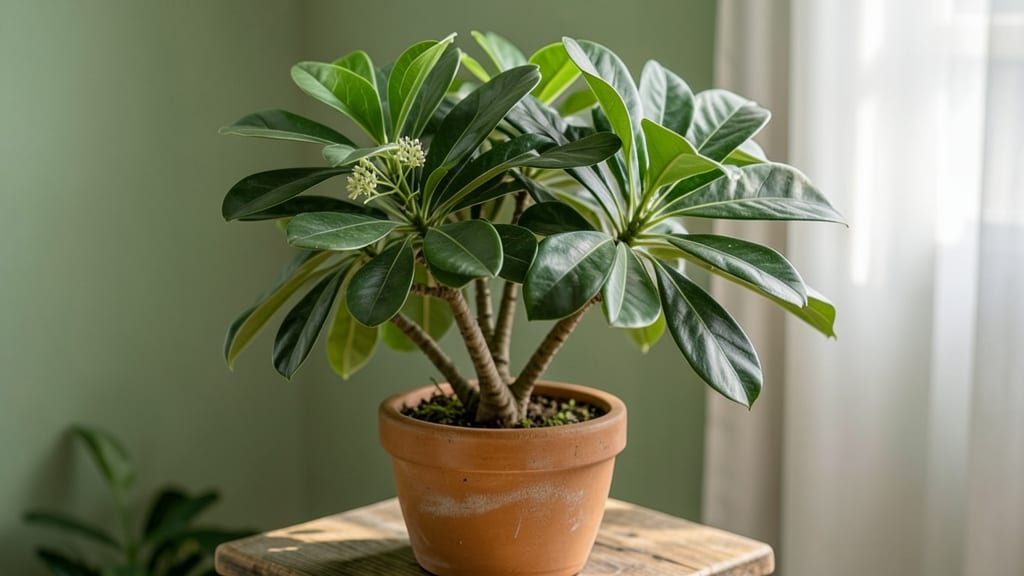
Curious about how tall do schefflera grow before they tower over your living room? This glossy-leaved beauty can stretch from a compact tabletop plant to a 12-foot ceiling hugger—depending on where you grow it and how you care for it.
If you're dreaming of a 🌿 Schefflera arboricola as a statement piece, indoor varieties typically max out around 6 feet with proper pruning, while outdoor plants in warm climates can reach their full 12-foot potential. The difference comes down to space, sunlight, and a little strategic trimming.
Whether you're working with a dwarf variety or a fast-growing specimen, understanding these growth patterns helps you plan for the perfect size—whether that means keeping it compact or letting it climb toward the sky.
Let’s break down the factors that shape your schefflera’s height and how to steer it in the right direction.
From indoor growth limits to outdoor tropical conditions, we’ll cover everything you need to know to grow a schefflera that fits your space—without any surprises. Ready to get started?


Schefflera height guide: indoor growth limits and species variations
When you bring a schefflera indoors, its height depends heavily on the species and care you provide. Most common varieties like Schefflera arboricola (umbrella plant) grow 6–12 feet tall indoors over 5–10 years, while dwarf varieties stay between 2–4 feet.
Without proper pruning, even dwarf types can outgrow their space quickly.
For example, the Schefflera actinophylla (Australian schefflera) often reaches 10+ feet indoors if left unchecked. Meanwhile, Schefflera elegantissima (lacy tree schefflera) tops out around 8 feet with ideal light and nutrients. The key difference? Light exposure and pruning frequency directly control how tall your schefflera grows.
🌱 Schefflera Indoor Growth Summary
| Variety | Mature Height (Indoors) | Growth Rate (Per Year) | Pruning Needs |
|---|---|---|---|
| Schefflera arboricola | 6–12 ft | 1–2 ft | Moderate (trim annually) |
| Schefflera actinophylla | 8–15 ft | 2–3 ft | High (prune 2x/year) |
| Schefflera elegantissima | 5–8 ft | 1 ft | Low (trim every 2 years) |
| Dwarf varieties (e.g., 'Trinette') | 2–4 ft | 0.5–1 ft | Minimal (shape only) |
If you're wondering how tall your schefflera will grow in 5 years, multiply its annual growth rate by 5. For example, a Schefflera arboricola growing 1.5 feet/year will reach about 7.5 feet in half a decade.
To slow growth, reduce fertilizer in winter and limit direct sunlight—both trigger faster expansion.
Another critical factor is container size. Root-bound scheffleras grow taller faster because they compete for nutrients. Upgrade to a 1–2 inch larger pot every 2–3 years to encourage bushier, not taller, growth. For dwarf scheffleras, use shallow containers to restrict vertical growth naturally.
Light placement also matters. A Schefflera actinophylla near a south-facing window may grow 30% taller than one in an east-facing spot due to increased photosynthesis. Rotate your plant quarter-turns every 2 weeks to ensure even growth and prevent lopsided height spikes.
For bushier scheffleras, prune the top 2–3 inches of new growth in spring. This encourages lateral branching, reducing height while adding fullness. Use sterilized pruners to avoid disease, and always prune just above a leaf node for the best regrowth.
One common mistake is assuming all scheffleras grow the same. Schefflera arboricola varieties like 'Gold Capella' stay compact (3–5 feet), while 'Novella' can reach 6 feet without pruning. Always check the specific variety's care tag for accurate height predictions.
To maximize height in tall scheffleras, provide bright indirect light and a well-draining potting mix with perlite or orchid bark. Avoid overwatering—soggy soil stunts growth by suffocating roots. Let the top 1–2 inches of soil dry between waterings for optimal vertical expansion.
If your schefflera is already too tall for its space, don’t panic. Severe pruning in late winter can reset growth. Cut back 1/3 of the height and repot in fresh soil. Within a year, you’ll see new, controlled growth at a manageable size.
Remember, indoor scheffleras rarely reach their outdoor potential—they grow slower due to limited light and space. With the right care, you can enjoy a 6-foot schefflera as a living room statement piece or keep a dwarf variety as a compact desk companion.
Outdoor schefflera growth: tropical climates vs. temperate zones
When schefflera thrive outdoors, their height can vary dramatically based on climate. In tropical zones like Florida or Hawaii, these plants grow aggressively, reaching 10–12 feet in ideal conditions.
Meanwhile, in temperate zones (USDA Zones 9–11), growth slows significantly, often maxing out at 6–8 feet due to cooler winters and limited growing seasons.
Outdoor schefflera also respond strongly to sun exposure. In full sun, they grow taller but may develop leaf scorch if not acclimated. In partial shade, they stay bushier and more compact, making them ideal for landscape borders or as specimen plants in garden beds.
Soil quality plays a critical role too. Well-draining, slightly acidic soil (pH 6.0–7.0) encourages faster growth, while heavy or waterlogged soil restricts root development and height potential.
| Climate Zone | Mature Height | Growth Rate | Best Variety |
|---|---|---|---|
| Tropical (Zones 10–12) | 10–12 ft | Fast (2–3 ft/year) | Schefflera actinophylla |
| Temperate (Zones 9–11) | 6–8 ft | Moderate (1–2 ft/year) | Schefflera arboricola |
| Cooler Temperate (Zone 8) | 3–5 ft (potted) | Slow (0.5–1 ft/year) | Dwarf varieties |
Seasonal growth patterns also differ. In warm climates, schefflera grow year-round, while in cooler zones, they enter dormancy in winter, resuming growth in spring. This seasonal slowdown can reduce overall height by 30–50% compared to tropical cousins.
For example, a schefflera actinophylla in Miami might reach 12 feet in 5 years, while the same plant in San Diego (Zone 10) would likely top out at 8 feet due to cooler winters.
Meanwhile, schefflera arboricola—a more cold-tolerant variety—thrives in Zone 9 gardens, often growing 4–6 feet tall with proper care.
To maximize outdoor growth, provide morning sun and afternoon shade, mulch heavily to retain moisture, and fertilize twice yearly with a balanced 10-10-10 formula in spring and summer. Avoid overwatering, as soggy roots stunt growth and invite pests like root rot or spider mites.