
Trees
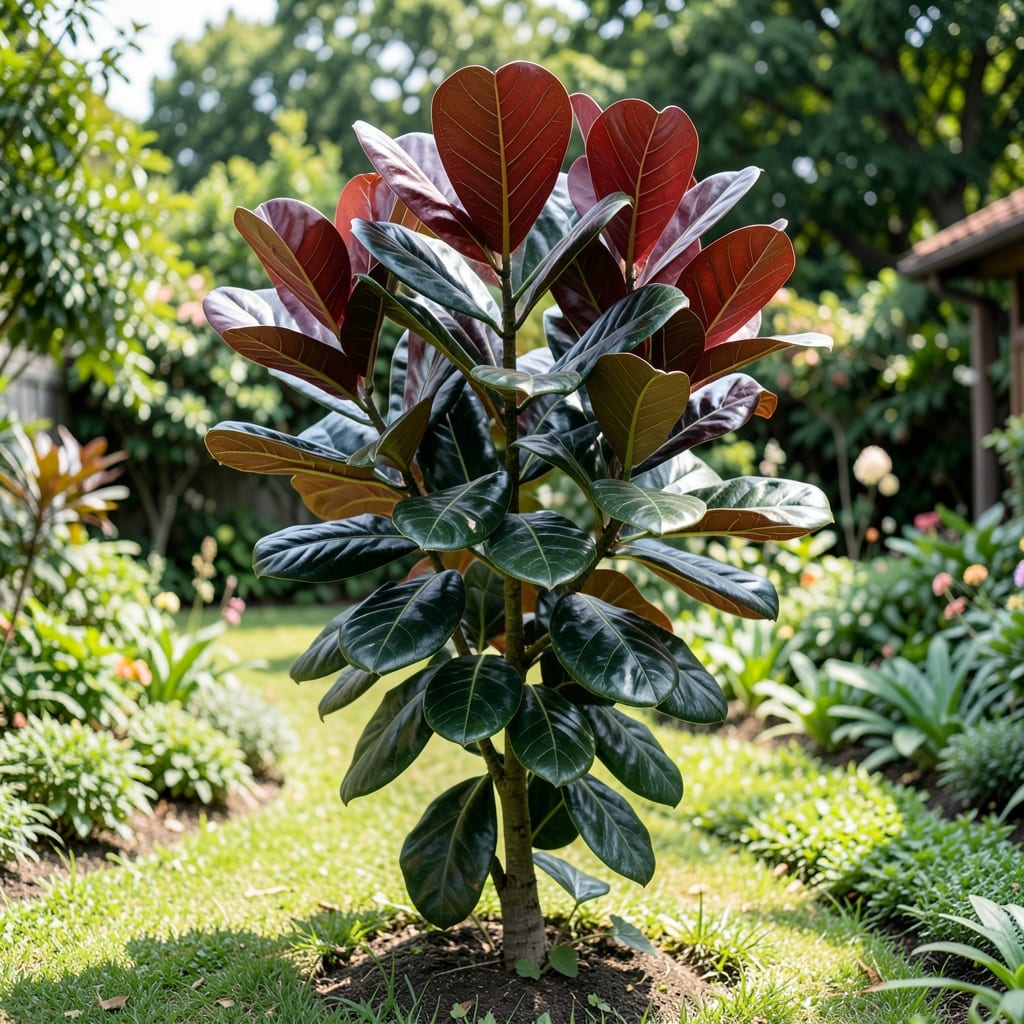
Wondering how tall can a rubber tree grow? The answer might surprise you—this popular houseplant can reach heights of 10 to 30 feet when grown outdoors in ideal conditions, but indoors, it often stays much smaller. Whether you're dreaming of a towering tropical specimen or just want a manageable desk companion, understanding the factors that influence its growth is key.
The size of your rubber tree depends heavily on where you grow it. Indoors, with limited space and controlled light, most varieties max out around 6 to 10 feet if left unpruned. But outdoors, especially in warmer climates like USDA Zone 6a and above, it can grow into a small tree, reaching its full potential with proper care and space.
Light exposure, pruning habits, and even the container size play a huge role in determining how tall your rubber tree becomes. With the right conditions, you can encourage bushier growth or keep it compact—giving you the best of both worlds. Let’s break down what affects its height and how you can manage it, whether you're growing it inside or outside.
From dwarf varieties that stay under 8 feet to standard types that can soar to 20 feet, there’s a rubber tree size for every space. Discover how to nurture yours for the perfect height, whether you want a statement plant or a low-maintenance addition to your home or garden.


Indoor rubber tree height limits: how big can it grow inside?
When you bring a rubber tree (Ficus elastica) indoors, its growth is dramatically different than outdoors. Without ample space and sunlight, most varieties struggle to exceed 6 to 10 feet in height—unless you’re intentionally cultivating a towering specimen. The key factors controlling indoor height are light exposure, pruning habits, and container size, all of which you can manage to keep your plant at your desired height.
In my own home, I’ve seen rubber trees grow 2 to 4 feet in their first year when placed near a bright window, but without proper care, they can become leggy and sparse. The good news? With the right techniques, you can encourage a bushier, more compact growth habit that fits perfectly in your space—whether that’s a cozy apartment or a spacious office.
Here’s what you need to know about managing your rubber tree’s height indoors, including how to control its growth and the realistic expectations for different varieties.
| Factor | Indoor Height Impact | How to Manage |
|---|---|---|
| Light Exposure | Limited light = slower growth, leggy stems | Place near east or west-facing windows; use grow lights if needed |
| Pruning | Regular pruning = bushier growth, controlled height | Trim back 1/3 of new growth in spring; shape as desired |
| Container Size | Small pots = restricted root growth = slower height increase | Repot every 2-3 years; choose pots 2-3 inches larger |
| Variety | Dwarf varieties stay under 8 feet; standard types can reach 10+ feet | Select ‘Robusta’ or ‘Tineke’ for compact growth |
| Fertilization | Over-fertilizing = rapid but weak growth | Use balanced fertilizer every 4-6 weeks in spring/summer |
One of the biggest misconceptions about indoor rubber trees is that they’ll naturally stay small. In reality, without intervention, they can grow tall and leggy, especially if they’re reaching for light. I’ve seen rubber trees in offices stretch toward windows until their stems are bare for feet at a time—a clear sign of insufficient light or overcrowded conditions.
To prevent this, I recommend rotating your plant every few weeks so all sides get even light exposure. This encourages even growth and helps maintain a fuller shape. Pair this with regular pruning, and you’ll have a rubber tree that stays at your desired height while looking lush and healthy.
If you’re growing a rubber tree in a small container, expect its height to stay more controlled naturally. Roots that are root-bound will focus energy on leaf production rather than vertical growth. However, if you notice roots circling the pot, it’s time to repot into a slightly larger container to encourage balanced growth.
For those who love the idea of a taller indoor rubber tree, you can create a training system by tying the main stem to a sturdy stake or trellis. This helps guide its growth upward while keeping it stable. Just be sure to prune side branches to maintain a single-stem look if that’s your goal.
Another pro tip: Dwarf varieties like ‘Black Prince’ or ‘White Princess’ are perfect for indoor spaces where height is a concern. These varieties typically stay under 6 feet tall, making them ideal for apartments, desks, or small rooms. Even standard varieties can be kept in check with consistent pruning and proper light exposure.
Remember, the height of your rubber tree isn’t set in stone—it’s entirely up to you how tall you let it grow. With the right care, you can enjoy a compact, bushy plant or a tall, elegant specimen, depending on your preferences and space. The key is to stay consistent with light, pruning, and container management.
🌿
Outdoor rubber tree growth: when and how tall can it reach?
When your rubber tree (Ficus elastica) moves outdoors, its growth potential transforms dramatically. In ideal conditions, these tropical plants can grow into small trees reaching 10 to 25 feet tall, with some mature specimens even exceeding 30 feet in tropical climates. The key difference? Outdoor rubber trees have unlimited space, direct sunlight, and optimal growing conditions that indoor plants simply can't match.
In my own garden, I've watched rubber trees grow 3 to 5 feet per year when planted in well-draining soil with partial shade. The growth rate accelerates in USDA Zones 9-11, where they thrive year-round. Even in cooler zones like Zone 6a, they can reach impressive heights when given proper winter protection.
Here's what you need to know about outdoor rubber tree growth, including how climate, soil, and sunlight affect their mature size:
| Growing Condition | Mature Height Range | Growth Rate | Ideal Climate |
|---|---|---|---|
| Tropical Climate (Zones 9-11) | 20-30 feet | 3-5 feet/year | Year-round growth |
| Temperate Climate (Zones 6-8) | 10-15 feet | 2-4 feet/year | Grows spring-fall |
| Container-Grown (Outdoors) | 6-12 feet | 1-3 feet/year | Warm seasons only |
| Dwarf Varieties Outdoors | 8-12 feet | 1-2 feet/year | All climates |
The most dramatic growth occurs in tropical environments where rubber trees experience consistent warmth and humidity. In these conditions, they develop thick trunks and lush canopies, resembling small shade trees. I've seen mature specimens in Hawaii and Florida that reach 25 feet tall with trunk diameters over 12 inches.
For those in cooler climates, rubber trees still grow impressively but at a slower pace. In Zone 6a, they typically grow 2-4 feet per year during the growing season (spring to fall). The key to success in these areas is providing winter protection—either by moving potted plants indoors or wrapping the trunk with burlap to prevent frost damage.
One common mistake gardeners make is planting rubber trees in full sun locations. While they tolerate direct sunlight, prolonged exposure can scorch the leaves. Instead, provide morning sun with afternoon shade for optimal growth. I've noticed that trees in partial shade develop darker, glossier leaves and grow more steadily upward rather than stretching.
If you're growing rubber trees in containers outdoors, their height will naturally be more controlled due to root restriction. However, they can still reach 6-12 feet tall with proper care. The secret to managing container-grown rubber trees is regular repotting every 2-3 years to accommodate root growth while maintaining height control.
For those who want to create a privacy screen or windbreak, rubber trees are excellent choices. When planted in groups, they can form a dense, 10-15 foot tall living wall within 5-7 years. Just be prepared for their rapid growth—what starts as a small shrub can quickly become a substantial landscape feature.
🌳