
Trees
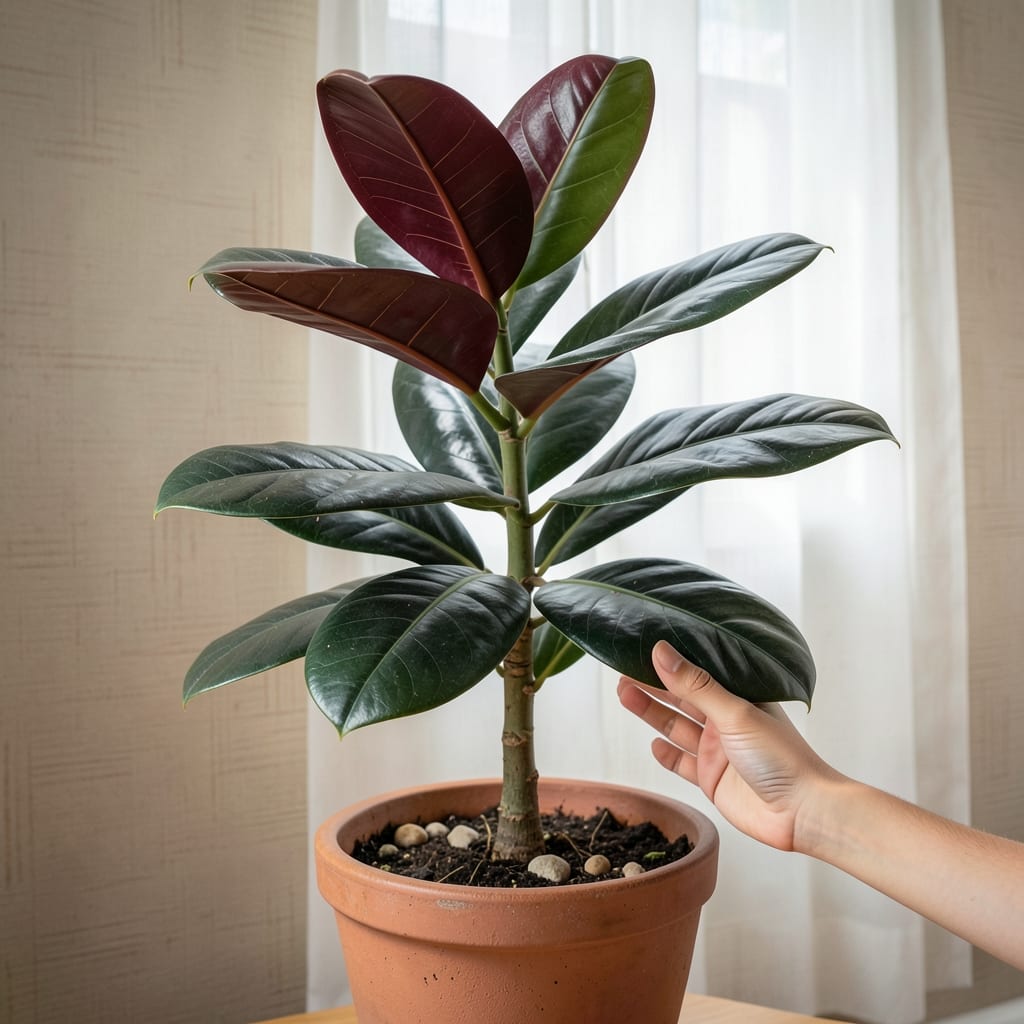
If you've ever wondered how tall your rubber tree 🌿 could grow, the answer might surprise you—some varieties reach 10 feet indoors or tower up to 30 feet outdoors with the right conditions. But before you start measuring ceilings, there's more to the story than just height.
Rubber trees (Ficus elastica) are the ultimate shape-shifters of the plant world, adapting dramatically based on where they live. Whether you're dealing with a compact 'Decora' in your living room or a wild 'Robusta' in your garden, their growth patterns can change everything about how you care for them. The key? Understanding what influences their height—and how to guide it.
You might assume bigger always means better, but that's not the case with rubber trees. Indoor plants often stay shorter due to limited space and light, while outdoor specimens stretch toward the sky when given room to grow. I'll show you exactly how to manage their height, whether you want a statement piece or a manageable houseplant that fits your space perfectly.
From pruning secrets to variety comparisons, you'll discover how to keep your rubber tree at the ideal height for your home—without sacrificing its stunning, glossy leaves. Let's dive into the factors that determine just how tall (or short) your rubber tree can become.


Rubber tree height by variety: from floor to ceiling (and beyond)
Rubber trees (Ficus elastica) come in a stunning array of varieties, each with its own growth potential. The average mature height ranges from 6 feet indoors to a breathtaking 30 feet outdoors, but the real story lies in the differences between cultivars. Some stay compact enough for apartments, while others become architectural statements in sunrooms or gardens.
Your choice of variety determines whether you'll need to prune regularly or simply admire your ceiling-height jungle. For example, the 'Decora' variety typically stays between 6-10 feet tall indoors, making it perfect for living rooms, while the 'Robusta' can reach 15-20 feet outdoors with proper care. Even within the same species, growth habits vary dramatically based on growing conditions.
Here's the key insight: indoor rubber trees rarely reach their outdoor height potential. Limited light, smaller containers, and cooler temperatures all conspire to keep them shorter. But with the right variety and care, you can coax even a 10-foot-tall specimen indoors—ideal for high-ceiling spaces or sunlit atriums.
Let's break down the most popular varieties and their typical mature heights to help you choose the perfect fit for your space.
| Variety | Indoor Height | Outdoor Height | Growth Rate | Best For |
|---|---|---|---|---|
| 'Decora' | 6-10 ft | 12-15 ft | Moderate | Small spaces, offices |
| 'Robusta' | 8-12 ft | 15-20 ft | Fast | Large rooms, gardens |
| 'Black Prince' | 5-8 ft | 10-14 ft | Slow-Moderate | Dark foliage lovers |
| 'Tineke' | 4-6 ft | 8-10 ft | Slow | Small spaces, variegated look |
| 'Variegata' | 7-10 ft | 12-16 ft | Moderate-Fast | Statement plants, bright spaces |
Note: Heights vary based on growing conditions and pruning habits.
The 'Decora' variety is often the top choice for indoor gardeners with standard ceilings, typically reaching 6-10 feet with proper care. Its slower growth rate makes it easier to manage in smaller spaces, while still offering that lush, tropical look. If you're working with 8-foot ceilings or higher, you might even let it grow taller for a dramatic effect.
On the other hand, the 'Robusta' variety is the growth champion of rubber trees, capable of reaching 15-20 feet outdoors when given ample space and sunlight. Indoors, it still grows impressively but may require more frequent pruning to maintain manageable proportions. The trade-off? Its bold, dark leaves and faster growth make it a favorite for collectors and gardeners with larger spaces.
For those with limited vertical space, the 'Tineke' variety offers a stunning variegated look while staying compact at 4-6 feet indoors. Its slower growth rate means you'll spend less time pruning, making it ideal for busy plant parents who still want that tropical aesthetic. The key with dwarf varieties is to avoid overpotting—they'll grow toward their full potential if given too much room.
Remember, these height ranges are general guidelines. With optimal conditions—bright, indirect light, proper watering, and regular feeding—your rubber tree could exceed these estimates. The opposite is also true: poor lighting or neglect will stunt growth significantly. Your care routine becomes the deciding factor between a 6-foot beauty and a 12-foot giant in the same variety.
One common misconception is that all rubber trees will eventually reach their maximum height potential. In reality, many indoor rubber trees stay permanently smaller due to limited growing conditions. The good news? You can train their growth through pruning and container selection to create the perfect size for your space.
Indoor vs. outdoor rubber tree growth: why your ceiling height matters
Your rubber tree's ultimate height depends almost entirely on whether it lives indoors or outdoors. Outdoor rubber trees can reach their full 10-30 foot potential when given space, sunlight, and proper care, while indoor specimens typically stay between 5-12 feet due to limited growing conditions. The difference isn't just about space—it's about light exposure, temperature consistency, and root development.
Indoor rubber trees experience stunted vertical growth because most homes lack the bright indirect light they crave. Without adequate light, they focus energy on leaf production rather than height, resulting in shorter, bushier plants. The good news? You can train indoor rubber trees to grow taller by placing them near east-facing windows or using grow lights during winter months.
Here's the critical factor: container size matters. Rubber trees in small pots will naturally stay shorter because their roots can't expand. If you want a taller indoor specimen, upgrade to a 15-20 gallon container every 2-3 years. The trade-off? Larger containers require more frequent watering and heavier pruning to maintain shape.
If your rubber tree grows too tall for its space, it becomes a pruning challenge. Overly tall trees develop weak stems that can't support their own weight, leading to stem collapse or leaf drop. The fix? Prune strategically every 6-12 months to maintain a stable, balanced shape.
Outdoor rubber trees, on the other hand, grow 30-50% taller because they have unrestricted root space and consistent sunlight. In tropical climates (USDA Zones 10-12), they can reach 20-30 feet within 10 years. Even in cooler climates, they'll outgrow indoor counterparts by 50% or more when planted in the ground.
One surprising factor is temperature fluctuations. Indoor rubber trees thrive in stable 65-80°F conditions, while outdoor plants endure seasonal changes. These temperature swings actually stimulate growth because the plant adapts by producing more foliage and height. The result? Outdoor rubber trees develop thicker trunks and stronger branches capable of supporting greater height.
For indoor gardeners, the key to managing height is pruning discipline. I recommend pinching back new growth when stems reach 6-8 inches to encourage bushier growth. For outdoor plants, prune in late winter to remove dead or crossing branches before the growing season begins. This prevents overcrowding and allows light to reach lower leaves, promoting even growth throughout the plant.
Remember: your ceiling height isn't destiny. With the right variety, light conditions, and pruning routine, you can grow a 10-foot indoor rubber tree in a standard 8-foot room. The secret? Balance growth with maintenance—don't let your plant outpace your space without intervention.