
How To
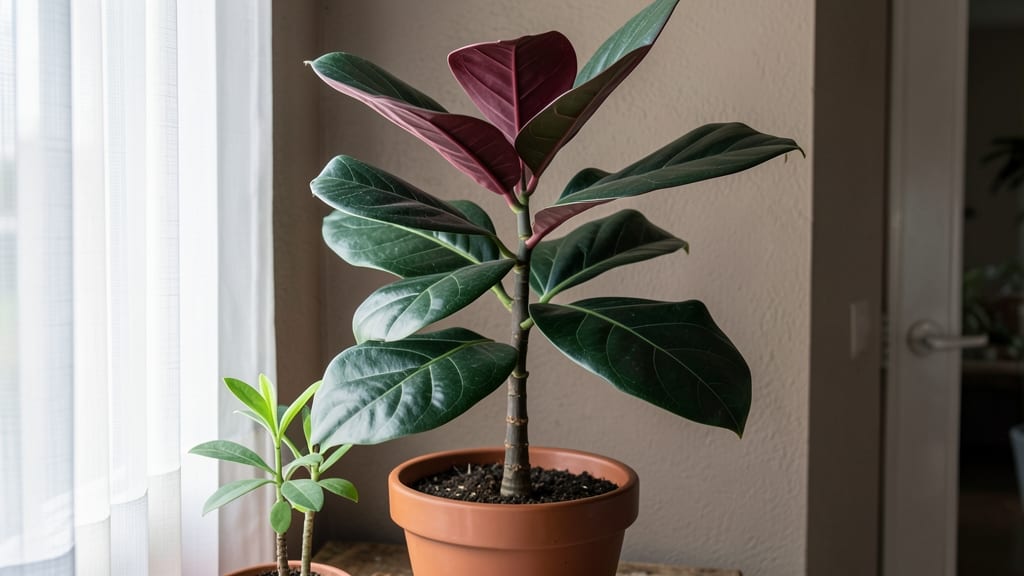
Wondering how tall does rubber plant grow before it becomes a ceiling fan rival? You’re not alone—this striking 🌿 Rubber Plant can stretch from a modest tabletop height to a towering indoor statement piece, depending on care and conditions.
Most Rubber Plants in Zone 6 homes reach 6–10 feet indoors with ideal light and space, but their growth speed varies wildly. Some stay compact at 3 feet if pruned regularly, while others shoot up like a jungle tree if left unchecked.
The key? Understanding their growth stages and how to guide their size.
In this guide, I’ll break down the average height ranges by age, the factors that make them skyrocket (or stay small), and pro tips to keep your plant at your preferred height—whether you love a bushy shrub or a tall, dramatic centerpiece.
Ready to stop guessing and start shaping your Rubber Plant’s future? Let’s dive into the science (and secrets) behind their vertical growth.


Rubber plant height limits: average indoor growth stages explained
The rubber plant (Ficus elastica) is a tropical stunner that can grow surprisingly tall—especially when given ideal conditions. On average, indoor rubber plants reach 6 to 10 feet at maturity, though some varieties stay shorter.
Understanding their growth stages helps predict how quickly your plant will climb toward the ceiling.
In the first year, expect your rubber plant to grow 1 to 2 feet. By year two, it typically doubles in height, reaching 2 to 4 feet.
If you’re lucky (or patient), a well-cared-for rubber plant can hit 10 feet indoors within 5–7 years, though this is more common in larger spaces with optimal light.
Here’s the kicker: outdoor rubber plants grow faster and taller—sometimes exceeding 15 feet in tropical climates. But indoors, their height depends on light exposure, pot size, and pruning habits. Let’s break down the growth stages so you can set realistic expectations for your plant’s future skyscraper ambitions.
| Growth Stage | Height Range | Timeframe | Key Care Notes |
|---|---|---|---|
| Juvenile | 1–2 ft | Year 1 | Slow growth; focus on root establishment |
| Mature | 3–6 ft | Years 2–5 | Fastest growth; prune to control height |
| Overgrown | 7–10+ ft | Years 5+ | Leggy growth; needs aggressive pruning |
Light is the #1 factor influencing your rubber plant’s height. Placed near a bright, indirect window, your plant will grow 2–3 times faster than in low-light conditions.
For example, a rubber plant in a south-facing window might hit 6 feet in 3 years, while one in a dim corner could take 7+ years to reach the same height.
Pot size also plays a role. Root-bound rubber plants grow taller because they’re forced to stretch upward for light. If your plant’s roots are circling the pot, it’s time to repot into a container just 1–2 inches larger to slow vertical growth.
Pro tip: Use a heavy ceramic pot—it stabilizes taller plants and prevents tipping.
Pruning is your secret weapon for controlling height. By pinching back the top 2–3 inches of new growth, you encourage bushier, more compact growth. This technique is especially useful for ‘Tineke’ or ‘Black Prince’ varieties, which can get leggy without regular trimming.
Think of it as giving your plant a haircut to keep it manageable.
Fun fact: Rubber plants grow faster in summer due to longer daylight hours. During this time, you might see 6–12 inches of new growth per month if conditions are ideal. In winter, growth slows to a crawl—sometimes just 1–2 inches per month—so don’t panic if your plant seems dormant.
If you’re growing a rubber plant outdoors in USDA Zones 9–11, expect even more dramatic growth. Without pruning, these plants can become small trees with thick trunks, reaching heights of 15–20 feet.
But indoors? With the right care, you can keep your rubber plant at a manageable 3–6 feet—perfect for adding tropical flair without sacrificing ceiling space.
Ready to harness this growth power? Start by placing your rubber plant in the brightest spot in your home and monitor its progress. With a little patience (and occasional pruning), you’ll have a stunning, ceiling-friendly plant that thrives for decades.
Rubber plant height limits: average indoor growth stages explained
Your rubber plant (Ficus elastica) can grow into a stunning indoor statement piece, but its height depends on its growth stage and care conditions.
Unlike outdoor trees, indoor rubber plants typically reach 3 to 10 feet tall, with most staying between 6 and 8 feet under ideal conditions. The key to controlling its height lies in understanding how it grows over time—from a tiny cutting to a towering shrub.
In the first year, expect your rubber plant to grow 1 to 2 feet tall, developing thick, glossy leaves and a sturdy stem. By year two, it can double in height, reaching 2 to 4 feet, especially if given bright indirect light and regular watering.
Without proper care, however, it may grow leggy and sparse, stretching toward light sources like windows or grow lights.
Here’s how your rubber plant’s height progresses over time under average indoor conditions:
| Growth Stage | Height Range | Timeframe | Care Tip |
|---|---|---|---|
| Juvenile | 1–2 ft | First year | Use small pots to slow growth |
| Mature | 3–6 ft | Years 2–5 | Prune to encourage bushiness |
| Overgrown | 7–10 ft | Years 5+ | Repot or prune aggressively |
If you’re growing your rubber plant in a sunny outdoor space (like a patio or greenhouse), it can grow even taller, sometimes exceeding 10 feet in ideal conditions. Outdoor plants also develop thicker stems and larger leaves due to increased light exposure.
However, they’re more susceptible to pests like spider mites and cold damage in zones below USDA Zone 10.
One of the biggest factors influencing height is pot size. Rubber plants grown in small pots (under 10 inches in diameter) tend to grow taller and leggier as they stretch for light.
To encourage bushier, compact growth, choose a pot that’s only slightly larger than the plant’s root ball—this forces the plant to focus on leaf and stem development rather than vertical growth.
Light exposure plays a crucial role too. While rubber plants thrive in bright indirect light, they’ll grow much faster in direct sunlight (though this can scorch leaves).
If your plant is growing too quickly and becoming unruly, move it to a shadier spot or prune the top to slow its vertical growth. The goal is balance—you want a healthy, proportionate plant, not a skinny tower!
Finally, pruning is your best tool for managing height. Regular pruning not only keeps your rubber plant at a manageable size but also encourages fuller growth and can even produce new plants from cuttings.
I’ll cover pruning techniques in detail in the next section, but for now, remember: prune in spring or early summer for the best results.