
Shrubs
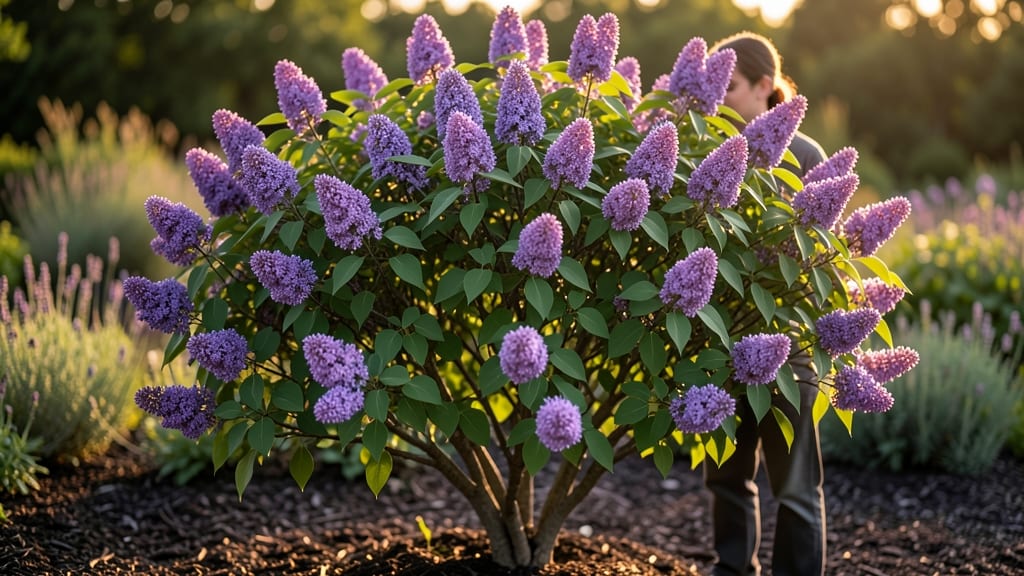
Wondering how tall do lilac bushes grow before they become that unruly giant in your yard? These fragrant 🌸 shrubs can surprise you—some stay neatly compact while others stretch toward the sky, making variety choice your first big decision.
If you’ve ever planted a lilac only to watch it shoot up 10 feet in just a few years, you’re not alone.
The truth is, their height depends entirely on the type you pick—dwarf varieties top out at 4-6 feet, while standard lilacs can reach 15 feet or more when left unchecked.
But here’s the good news: with the right pruning techniques and spacing, you can keep even the tallest lilacs in check. Whether you’re working with USDA Zone 6a conditions or just love their springtime perfume, I’ll show you how to balance their natural growth with your garden’s needs.
Let’s break down the height ranges, spacing tricks, and pruning secrets so your lilacs stay beautiful—and manageable—for years to come.


Lilac bush height variations by popular varieties (with mature sizes)
Lilac bushes (Syringa spp.) come in a stunning array of heights, from dwarf varieties that stay under 4 feet to standard types reaching 15 feet or taller.
The height of your lilac depends entirely on the cultivar you choose, so selecting the right one for your space is key to avoiding overcrowding and ensuring those fragrant spring blooms shine.
Most gardeners plant lilacs for their showstopping fragrance and vibrant colors, but few realize how drastically their mature size can vary.
For example, the common lilac (Syringa vulgaris) often grows 8–15 feet tall, while dwarf varieties like 'Little Miss' or 'Bloomerang' max out at 4–6 feet. Understanding these differences helps you plan your garden layout with confidence.
Here’s a quick look at how lilac heights compare: dwarf (4–6 ft), semi-dwarf (6–10 ft), and standard (10–15 ft). The growth rate also varies—some lilacs grow 2–3 feet per year, while others mature more slowly. Choosing the right variety ensures your lilac thrives without dominating your landscape.
| Variety | Mature Height | Spread | Growth Rate | Best For |
|---|---|---|---|---|
| Common Lilac (Syringa vulgaris) | 8–15 ft | 6–12 ft | 2–3 ft/year | Large gardens, borders |
| French Lilac (Syringa vulgaris 'Madame Lemoine') | 6–10 ft | 5–8 ft | 1–2 ft/year | Medium spaces, hedges |
| Dwarf Lilac (Syringa microphylla) | 4–6 ft | 4–5 ft | 1 ft/year | Containers, small gardens |
| Bloomerang Lilac (Syringa 'Bloomerang') | 6–8 ft | 5–7 ft | 2 ft/year | Reblooming, privacy screens |
| Korean Lilac (Syringa meyeri) | 6–10 ft | 4–6 ft | 1–2 ft/year | Cold-hardy zones, small yards |
The common lilac (Syringa vulgaris) is the classic choice for large gardens, often reaching 12–15 feet with a wide, rounded shape. Its intense fragrance and vibrant purple blooms make it a standout, but its size requires ample space—at least 8–10 feet in all directions.
If you’re working with limited space, dwarf varieties like 'Little Miss' or 'Baby Blue Eyes' are perfect, topping out at just 4–6 feet while still delivering that signature lilac scent.
For reblooming lilacs, like the popular 'Bloomerang' series, expect 6–8 feet of height with a 5–7 foot spread. These varieties produce two flushes of blooms per season—one in spring and another in summer—making them a high-value pick for gardeners who want extended color.
Just be prepared for slightly faster growth compared to dwarf types.
If you’re designing a hedge or privacy screen, consider French lilacs or Korean lilacs, which offer a compact yet sturdy form.
French lilacs, like 'Madame Lemoine,' typically grow 6–10 feet tall with a 5–8 foot spread, while Korean lilacs are hardier in colder climates and maintain a neater shape. Both are excellent for structured garden designs where height control is essential.
One of the most misunderstood aspects of lilac growth is how quickly they expand. While some varieties grow aggressively in their first few years, others—like dwarf lilacs—take their time, adding only 1 foot per year. Always check the cultivar’s growth rate before planting to avoid surprises.
For example, a standard lilac planted near a small patio could quickly outgrow its welcome, while a dwarf variety would thrive in the same spot for decades.
Pro tip: If you love the look of lilacs but lack space, container gardening is a great solution. Dwarf varieties like 'Bloomerang Compact' or 'Little Miss' do beautifully in large pots, allowing you to move them to sunny spots or patio areas as needed.
Just ensure the container has drainage holes and use a high-quality potting mix to prevent root rot.
For maximum fragrance and bloom density, plant lilacs in full sun with well-draining soil. Poor soil conditions can stunt growth, leading to shorter stature and fewer flowers.
Amend clay or sandy soil with compost to improve fertility, and mulch around the base to retain moisture and regulate temperature. With the right care, even taller lilacs will reward you with years of fragrant blooms.
🌸
Optimal spacing requirements for different lilac heights (avoid overcrowding)
Choosing the right spacing for your lilac bushes depends entirely on their mature height and spread. Standard varieties like Syringa vulgaris can reach 10–15 feet tall with a 10–12-foot spread, while dwarf types like Little Lila stay compact at 4–6 feet tall with a 3–4-foot spread.
Crowding these shrubs leads to poor air circulation, increasing risks of fungal diseases and stunted blooms.
For standard lilacs, plant them 8–10 feet apart to allow room for their wide canopies and prevent overcrowding. This spacing also ensures they receive adequate sunlight exposure—critical for those fragrant spring blooms.
In smaller gardens, consider semi-dwarf varieties like Miss Kim, which mature at 6–8 feet tall and only need 5–6 feet of space.
Here’s how to calculate spacing for your lilacs based on their mature size and your garden layout:
| Variety Type | Mature Height | Mature Spread | Recommended Spacing |
|---|---|---|---|
| Standard Lilac (e.g., Syringa vulgaris) | 10–15 ft | 10–12 ft | 8–10 ft apart |
| Semi-Dwarf (e.g., Miss Kim) | 6–8 ft | 5–6 ft | 5–6 ft apart |
| Dwarf (e.g., Little Lila) | 4–6 ft | 3–4 ft | 3–4 ft apart |
| French Lilac (e.g., Syringa meyeri) | 8–12 ft | 6–8 ft | 6–8 ft apart |
Sunlight plays a crucial role in spacing decisions. Lilacs thrive in full sun (6+ hours daily), so avoid planting them too close to tall trees or structures that cast long shadows.
If your garden has partial shade, opt for dwarf varieties like Bloomerang, which tolerates 3–4 hours of shade while still reaching 6–8 feet tall.
Pruning also impacts spacing needs. Regular spring pruning keeps lilacs shapely and controlled, reducing their spread over time. If you prune aggressively to maintain a compact form, you can plant them slightly closer—3–4 feet apart for dwarf types—without sacrificing airflow or bloom quality.
Pro tip: Always dig a hole twice as wide as the root ball to encourage outward root growth, which stabilizes the shrub and reduces future crowding. Mulch around the base with 2–3 inches of organic mulch to retain moisture and suppress weeds, giving your lilacs the best start.