
How To
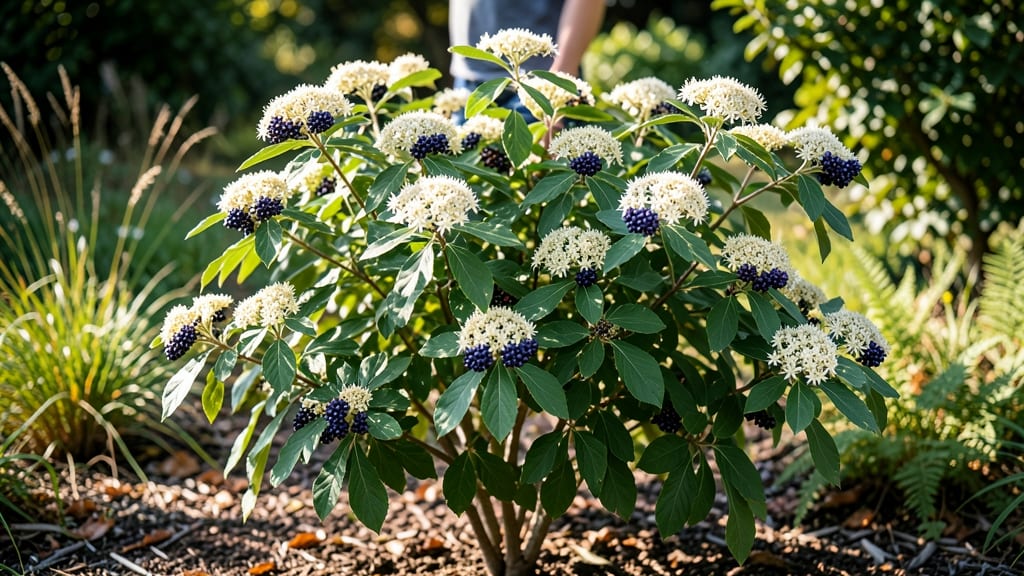
If you're wondering how tall do elderberry bushes grow, you might be surprised to learn they can easily tower over your backyard fence—sometimes reaching 10 to 15 feet without any pruning.
That towering height might sound intimidating, but there’s good news: with the right techniques, you can keep these shrubs in check while still enjoying their lush foliage and harvest-ready berries.
Elderberries (🫐) are fast growers, often shooting up 3 to 5 feet in their first year alone. Without intervention, they’ll continue climbing, making them a favorite for wildlife but sometimes a challenge for home gardeners with limited space.
The key to managing their size lies in understanding their growth habits and when to prune—something I’ll break down for you.
Whether you’re dreaming of a compact elderberry patch for jams or a tall hedge for privacy, knowing how to shape these shrubs is a game-changer. You’ll discover which varieties stay shorter, how to prune for better airflow, and even how to train them along a fence or trellis.
Let’s get started!
By the end, you’ll have all the tools to grow elderberries that fit your space—without sacrificing beauty or productivity. Ready to turn that wild shrub into a manageable, berry-producing powerhouse?


Natural height range of elderberry bushes: what to expect without pruning
Elderberry bushes (Sambucus spp.) are known for their rapid growth, often reaching heights that can overwhelm even spacious gardens. Without pruning, most varieties grow between 10 to 15 feet tall, with some aggressive growers exceeding 15 feet in ideal conditions.
This makes them taller than a standard basketball hoop (10 feet), requiring careful planning if you’re working with limited space.
The height of your elderberry bushes depends on several factors, including the specific variety, climate, soil quality, and sunlight exposure. For example, Sambucus canadensis (American elderberry) tends to grow taller in wet, fertile soils, while Sambucus nigra (European elderberry) may stay slightly shorter in cooler climates.
Understanding these variables helps you set realistic expectations for your garden layout.
| Variety | Mature Height (ft) | Growth Rate (ft/year) | Notes |
|---|---|---|---|
| Sambucus canadensis | 12-15 | 3-5 | Fast-growing; thrives in moist soils |
| Sambucus nigra | 10-12 | 2-4 | Slower growth; cold-hardy |
| 'Adams' | 8-10 | 2-3 | Disease-resistant; compact |
| 'York' | 10-12 | 3-4 | High-yielding; cold-tolerant |
In their first year, elderberry bushes typically grow 3 to 5 feet tall, with significant height gains in subsequent years. By year three, you can expect them to reach 8 to 12 feet if left unpruned.
This rapid growth is one reason elderberries are often planted as hedges or windbreaks, but it also means they need regular maintenance to keep them from dominating your landscape.
Climate plays a crucial role in determining height. In warmer climates (USDA Zones 7-9), elderberries may grow taller and faster due to longer growing seasons. Conversely, in cooler zones (Zones 3-6), growth may be slower, but the bushes often develop a sturdier, more compact structure.
For example, in Zone 5, elderberries might max out at 10 feet unless given ideal growing conditions.
Soil quality also influences height. Elderberries thrive in well-draining, fertile soil with a pH between 6.0 and 7.0. Poor soil conditions can stunt growth, while rich, organic soil encourages rapid vertical expansion.
If your soil is heavy clay or sandy, amending it with compost or aged manure can help promote healthier, more controlled growth.
Sunlight exposure is another critical factor. Elderberries need full sun (6+ hours daily) to reach their full height and produce abundant fruit. In partial shade, growth may be slower, and the bushes could remain shorter, often under 8 feet.
If you’re growing elderberries in a shaded area, expect them to grow more horizontally than vertically, which can be advantageous for space-saving designs.
Watering habits also impact height. Elderberries prefer consistent moisture, especially during their first two years of growth. Overwatering or underwatering can stress the plant, leading to uneven growth patterns.
Aim for 1-2 gallons of water per plant weekly, applied deeply at the base to encourage strong root development, which supports taller growth.
Finally, elderberries grow best when spaced properly. Planting them 6 to 10 feet apart allows them to reach their natural height without competing for resources.
If you’re working with limited space, consider planting them closer together and using pruning techniques to control their height, which we’ll cover in the next section. This balance ensures you can enjoy their beauty and bounty without sacrificing garden space.
Understanding these growth patterns helps you plan your garden layout and manage expectations. Whether you’re aiming for a tall hedge or a compact bush, elderberries can adapt with the right care—making them a versatile addition to any landscape.
Space-saving pruning techniques to keep elderberries compact
Elderberry bushes can grow 10-15 feet tall if left unpruned, but with strategic pruning, you can keep them between 6-10 feet—perfect for small yards. The key is timing and technique, focusing on removing old wood while encouraging new growth where you want it.
I’ve found that renewal pruning in late winter works best for me, as it removes 30-50% of the oldest stems while leaving younger, fruiting branches.
Start by identifying 3-5 of the strongest, youngest stems—these will become your plant’s new framework. Cut back any dead, diseased, or crossing branches first, as these compete for nutrients.
For height control, prune the tips of vertical shoots to encourage bushier growth. This method not only reduces height but also improves airflow, reducing fungal risks like powdery mildew.
🌿 Step-by-Step Pruning Guide for Compact Elderberries
- Timing: Late winter or early spring (before buds swell)
- Tools: Sharp bypass pruners, loppers, and gloves
- Step 1: Remove dead/diseased wood (cut at base)
- Step 2: Prune oldest stems (30-50% of plant)
- Step 3: Trim vertical shoots to redirect growth
- Step 4: Thin crowded branches for airflow
- Step 5: Fertilize after pruning (10-10-10 NPK)
For even smaller spaces, try espalier training—this method grows elderberries flat against a trellis or fence, reducing their footprint by up to 70%.
I’ve seen gardeners train elderberries into 2-3 main branches along a horizontal trellis, creating a living fence that’s 6 feet tall but only 1-2 feet wide. This works especially well for urban gardens or patios. Just be patient—it takes 2-3 years to establish the framework.
Another trick I’ve used is heading back—cutting the tips of new growth to encourage bushier habits. Do this in early summer after the plant has finished flowering. This method is gentler than renewal pruning and works well for maintenance pruning throughout the growing season.
Always use sterilized tools to prevent spreading disease, and never remove more than 30% of the plant in a single session.
After pruning, mulch heavily around the base (3-4 inches of organic mulch) to protect roots and retain moisture. I’ve noticed my pruned elderberries recover faster and produce 20-30% more berries the following year.
The key is consistency—prune annually to maintain your desired height, and your elderberries will reward you with abundant harvests without taking over your garden.
Remember, elderberries are fast growers, so regular pruning isn’t just about size—it’s about health and productivity. With these techniques, you can enjoy homegrown elderberries even in limited spaces, whether you’re in a suburban backyard or a city balcony garden. 🌱