
Vegetables
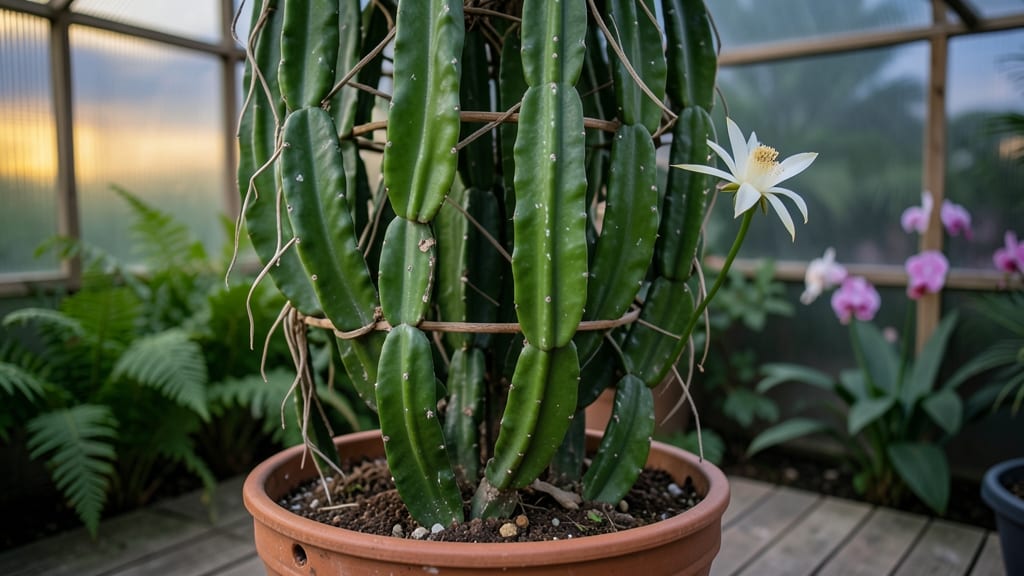
If you're wondering how tall do dragon fruit plants grow, you might be surprised to learn these tropical vines can climb 15 to 20 feet when given the right support.
The 🐉 dragon fruit isn’t just a novelty—it’s a vigorous climber that thrives when trained along trellises, fences, or walls in zones 10-11 (or indoors year-round in cooler climates).
Growing from a small seedling to a mature plant takes 18-24 months, but the real magic happens in the second year when vines start stretching aggressively.
Without proper guidance, they’ll sprawl unpredictably, but with a sturdy trellis or cage, you can direct their growth—and even grow them in containers if space is limited.
What makes dragon fruit so fascinating is how its height directly impacts fruit production. Taller vines mean more climbing space for those iconic pink or yellow fruits to develop, but don’t worry—you can prune and train them to fit your garden.
Whether you’re a balcony gardener or have a full backyard, this guide will help you harness their climbing potential without losing control.
Ready to transform your space into a dragon fruit oasis? Let’s break down exactly how to support these vines, manage their growth, and ensure they bear fruit—no matter how tall they get.


Dragon fruit plant height: average growth ranges & climbing behavior explained
Dragon fruit plants—also called pitaya—are vigorous climbers that can reach heights most gardeners don’t expect. In ideal conditions, these tropical vines grow between 15 to 20 feet tall, though some varieties or grafted plants may exceed 25 feet when given proper support.
Their climbing habit is what makes them so fascinating, but it also means your garden space needs careful planning.
The Hylocereus genus (the most common dragon fruit types) produces long, flexible vines that latch onto structures using small, aerial roots. Without support, vines sprawl along the ground, but with a trellis or fence, they’ll vertically climb like a grapevine.
This climbing behavior is key to understanding their growth patterns and managing their height in your space.
Here’s what you need to know about their height progression over time: In their first year, dragon fruit plants grown from seed typically reach just 1 to 3 feet.
However, if you start with a grafted plant (which is faster-growing), you’ll see 4 to 8 feet of growth by year two. By year three, a mature dragon fruit vine can easily hit 10 to 15 feet, especially if it’s climbing a sturdy trellis.
One common misconception is that dragon fruit plants grow straight up like a tree. In reality, they’re horizontal climbers, meaning their main stems spread outward while smaller branches grow downward to bear fruit.
This unique growth habit affects how you’ll need to train and prune the plant to maximize fruit production and manage its height.
The variety of dragon fruit you choose can slightly influence height. For example, the Hylocereus undatus (white-fleshed dragon fruit) tends to grow slightly taller than Hylocereus costaricensis (red-fleshed). However, all varieties require similar support structures to reach their full potential.
If you’re growing dragon fruit in containers, expect slightly shorter vines—around 6 to 10 feet—due to root restriction.
Seasonal growth also plays a role in how tall your dragon fruit plant becomes. In spring and summer, when temperatures are warm and days are long, vines can grow up to 6 inches per month.
During cooler months or in indoor settings, growth slows dramatically, sometimes to just 1 to 2 inches per month. Understanding this seasonal rhythm helps you plan for pruning and support adjustments throughout the year.
Dragon Fruit Growth Summary
| Stage | Height Range | Growth Rate | Key Notes |
|---|---|---|---|
| Year 1 (Seed) | 1–3 ft | Slow (1–2 ft/year) | Focus on root establishment |
| Year 2 (Grafted) | 4–8 ft | Moderate (3–5 ft/year) | Install support early |
| Year 3+ (Mature) | 10–20 ft | Fast (6+ in/year) | Prune to encourage fruit |
| Container Growth | 6–10 ft | Slower (root-bound) | Use large pots with drainage |
If you’re growing dragon fruit in a small garden or balcony, don’t let its height intimidate you. With the right support system, you can easily manage its growth.
For example, a 6-foot trellis is perfect for container-grown plants, while a 10-foot fence or pergola works well for in-ground vines. The key is to train the vines early—within the first few months—to climb in the direction you want, whether that’s upward or along a wall.
Another factor to consider is how fruit production relates to vine height. Dragon fruit flowers and fruits typically form on horizontal branches rather than the main vertical stem. This means the taller the vine climbs, the more fruiting branches it can produce.
However, if your vine grows too tall without proper pruning, it may focus more on vertical growth than horizontal branching, reducing your fruit yield. Balancing height and fruit production is all about strategic pruning and support.
For those in cooler climates or growing dragon fruit indoors, expect slightly slower growth and potentially shorter vines. Indoor plants rarely exceed 6 to 10 feet unless given supplemental grow lights and a large
Dragon fruit plant height: average growth ranges & climbing behavior explained
Dragon fruit plants (Hylocereus species) are climbing cacti that can reach staggering heights—typically between 15 to 20 feet when given proper support. Without trellises or walls, their vines sprawl horizontally, but with vertical structures, they’ll shoot upward aggressively, often surpassing basketball hoops in just a few years.
This tropical vine’s growth rate depends on variety, care, and environment, but most gardeners see 3–5 feet of new growth per year once established.
The fastest-growing varieties, like Hylocereus undatus (pink-skinned dragon fruit), can climb up to 25 feet in ideal conditions—think warm climates, full sun, and consistent moisture. Smaller varieties, though rare, still top out at 6–10 feet with dwarf-like behavior, making them perfect for balconies or patios.
Whether you’re growing pitaya (red-fleshed) or yellow dragon fruit, understanding these height expectations helps you plan support structures early.
| Growth Stage | Height Range | Time to Reach | Notes |
|---|---|---|---|
| Seedling (Year 1) | 1–3 ft | 12 months | Slow growth; needs patience |
| Grafted Plant (Year 2) | 4–8 ft | 24 months | Faster with grafted rootstock |
| Mature Plant (Year 3+) | 15–20 ft | 36–48 months | Requires strong trellis support |
| Container-Grown | 6–12 ft | 3–5 years | Limited by pot size; prune regularly |
One common misconception is that dragon fruit vines stop growing after reaching a certain height. In reality, they’re perennial climbers—meaning they’ll keep extending their vines indefinitely if given space and care.
However, fruit production peaks when vines are 10–15 feet tall, so managing height isn’t just about aesthetics; it’s also about maximizing harvests. Without pruning, older vines can become woody and less productive, so regular maintenance is key to keeping them fruit-bearing and manageable.
If you’re growing dragon fruit in containers, expect shorter heights—typically 6–12 feet—due to root restrictions. To encourage upward growth in pots, use tall, narrow containers (like 5-gallon buckets stacked vertically) and train vines along a central trellis.
For outdoor gardens, pair your plant with a strong trellis, fence, or pergola to support its weight. Remember, these vines can weigh 50+ pounds when fully loaded with fruit, so your support structure must be sturdy and anchored securely.
Seasonal growth patterns also play a role in height management. In spring and summer, when temperatures are warm and daylight is long, dragon fruit plants grow most aggressively, sometimes adding a foot or more per month.
During fall and winter, growth slows dramatically—especially in cooler climates—so this is the ideal time to prune back overgrowth and reinforce support structures for the next growing season. Even in tropical zones, monsoon seasons can cause temporary slowdowns due to excess moisture.
For gardeners in USDA Zones 9–11, dragon fruit thrives outdoors year-round, while those in Zones 8 or cooler must grow it in containers and bring it indoors during winter.
In these cases, height growth pauses almost entirely until spring, but with proper care, the plant will resume climbing once temperatures rise above 60°F. This seasonal rhythm means you can control height more easily by adjusting water, light, and fertilizer during dormant periods.
Understanding your dragon fruit’s climbing behavior is the first step to successful growth. Whether you’re aiming for a small balcony setup or a backyard jungle, knowing how tall these vines can get—and how to guide them—will help you harvest more fruit with less stress.
Start with a strong support system, monitor growth closely, and don’t hesitate to prune aggressively to keep your plant productive and contained. 🌱