
How To
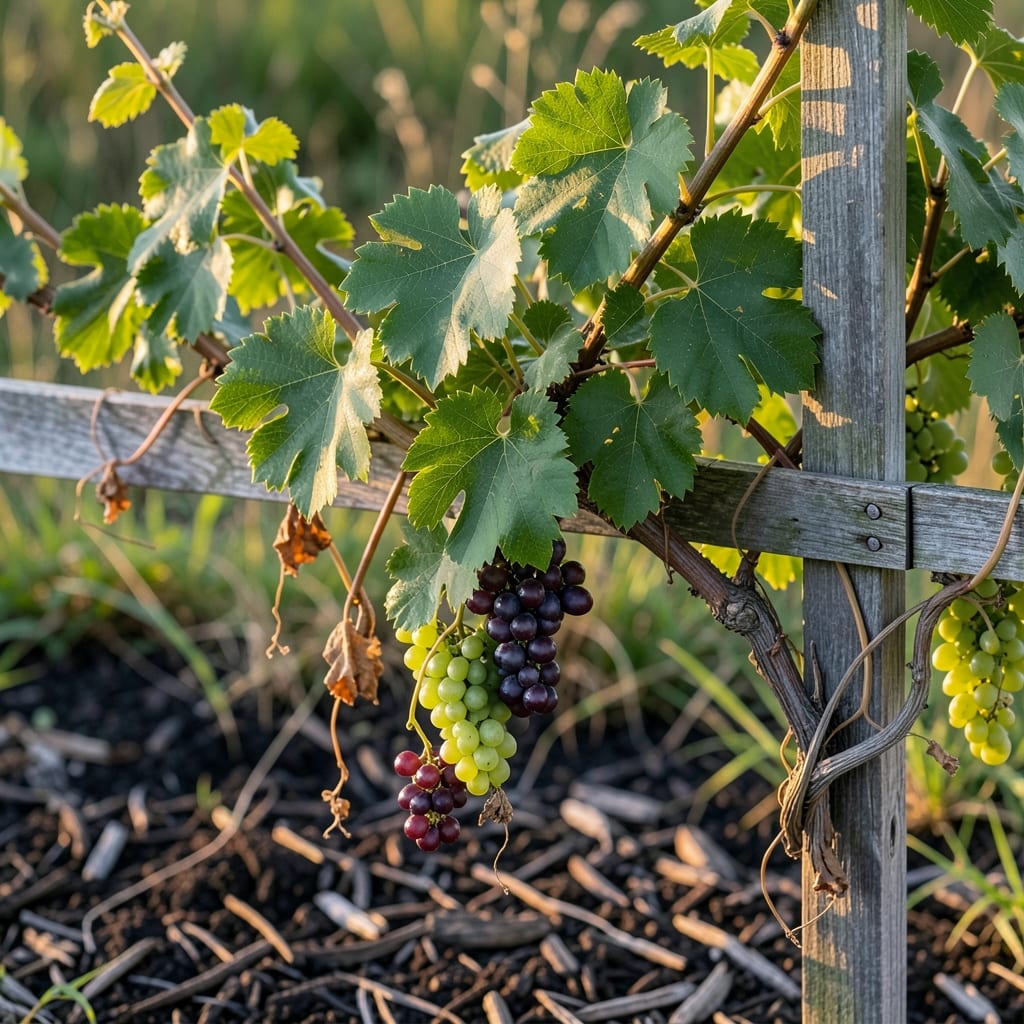
If you’ve ever dreamed of growing your own grapes but wondered how tall can grape vines grow, you’re not alone—this is the first question every gardener asks. 🍇 These woody climbers can stretch from compact bushes to towering giants, depending on the variety and care you provide.
The truth is, grape vines like Vitis vinifera can reach heights of 30 to 60 feet when left unchecked, while others like Muscadine stay shorter at 10 to 20 feet. Whether you’re working with a small backyard or a sprawling vineyard, understanding these limits will help you plan your space and support structures.
But here’s the kicker: with the right training techniques—like pruning or trellising—you can control their growth to fit your garden perfectly. I’ll break down the science behind vine height and share practical tips to keep your grape vines thriving without overpowering your yard.
Ready to transform your space with lush, productive vines? Let’s dive into the secrets of skyward growth and how to manage it like a pro.


Grape vine height limits by varietal type: from bush vines to towering giants
Grape vines are nature’s vertical artists, capable of reaching heights that will make your backyard feel like a vineyard in Tuscany. The Vitis vinifera species, which includes many wine grapes, can climb to 30 to 60 feet when given the right conditions. Meanwhile, native American varieties like Concord grapes often top out at 20 to 30 feet. But here’s the twist: these heights are only the beginning—your training methods can push them even higher or keep them compact.
Some grape varieties, like Muscadine grapes, naturally stay shorter at 10 to 20 feet, making them perfect for small spaces or trellises. Others, such as Cabernet Sauvignon or Chardonnay, are built for vertical growth and will happily climb a sturdy trellis or arbor if given the chance. The key is understanding whether your chosen variety is a self-supporting bush vine or a climbing vine that needs a structure to reach its full potential.
🌱 Pro Tip: If you’re short on space, consider dwarfing rootstocks like 1202C Couderc, which can reduce mature height by up to 50% while maintaining fruit quality.
| Variety | Natural Height Range | Growth Habit | Best For |
|---|---|---|---|
| Muscadine (Vitis rotundifolia) | 10–20 ft | Bush or sprawling vine | Small yards, trellises, or arbors |
| Concord (Vitis labrusca) | 20–30 ft | Climbing vine | Backyard trellises, pergolas |
| Cabernet Sauvignon (Vitis vinifera) | 30–50+ ft | Aggressive climber | Large vineyards, commercial trellises |
| Chardonnay (Vitis vinifera) | 25–40 ft | Moderate climber | Trellis systems, sloped gardens |
| Thompson Seedless (Vitis vinifera) | 15–25 ft | Bush or trained vine | Raised beds, small-scale farming |
*Height varies with pruning, trellis support, and climate conditions.
If you’re growing grapes in a container, expect heights to stay more manageable—typically between 8 to 12 feet—but you’ll need to prune aggressively to maintain that size. Container-grown vines also require dwarfing rootstocks or regular topiary pruning to prevent them from outgrowing their pots.
🌿 Climate Matters: In warmer climates like USDA Zones 8–10, grape vines grow faster and taller due to longer growing seasons. In cooler zones (e.g., Zone 5–6), growth slows, and vines may max out at 20 to 30 feet unless you use a greenhouse or cold-hardy varieties.
For commercial vineyards, growers often train vines to reach 6 to 8 feet on trellises to maximize sunlight exposure and airflow, which improves fruit quality and reduces disease risk. This method, called vertical shoot positioning (VSP), is a game-changer for managing height while boosting yield.
💡 Space-Saving Hack: If you love the look of grapevines but lack yard space, try growing them on a vertical trellis or fence. Varieties like Niagara grapes thrive in this setup and produce abundant fruit without sprawling horizontally.
Now that you know the height potential of different grape varieties, the next step is learning how to control their growth—and that’s where pruning and training come into play. Stay tuned for my next section on managing vine height like a pro!
How training and pruning control grape vine height: the science of skyward growth
Ever looked at a grape vine and wondered how gardeners coax them into reaching 30 feet or more—or how they keep others neatly contained? The secret lies in pruning and training, two techniques that act like a gardener’s scalpel and scaffold. Without proper guidance, even the most compact varieties can become unruly giants. But with the right approach, you can shape your vines to fit any space—whether that’s a 6-foot trellis or a sprawling pergola.
Pruning isn’t just about cutting back—it’s about directing growth. The most common methods are cane pruning (for vigorous varieties like Cabernet Sauvignon) and spur pruning (ideal for bushier types like Muscadine). Cane pruning involves removing all but the strongest canes, leaving 4–8 buds per vine to encourage vertical growth. Spur pruning, on the other hand, keeps shorter spurs with 2–3 buds, perfect for compact vines or container growth.
🌱 Key Insight: The timing of pruning matters just as much as the technique. Dormant pruning (late winter/early spring) promotes new growth, while summer pruning (after harvest) controls size and improves fruit quality. For example, a Concord grape vine pruned in summer will produce smaller, sweeter berries while staying shorter.
Remove dead or weak canes, leaving 4–8 buds on healthy canes. Ideal for vertical growth in varieties like Cabernet Sauvignon.
Trim excess shoots to improve airflow and fruit quality. Best for compact varieties like Thompson Seedless.
Use vertical shoot positioning (VSP) to guide vines upward. Reduces height by 30–50% while maximizing sunlight.
Trim outer roots to limit vine size. Essential for container-grown vines or small-space gardens.
Trellis systems are the backbone of height control. The Geneva Double Curtain (GDC) trellis, for example, trains vines into two parallel rows, keeping them at a manageable 6–8 feet while doubling fruit production. This method is a favorite in commercial vineyards but works beautifully in home gardens too. For smaller spaces, a single-wire trellis or arbor can keep vines under 10 feet while still allowing them to climb.
💡 Pro Tip: If your grape vine is growing too tall too fast, try topiary pruning—shaping the vine like a tree by removing lateral shoots and encouraging a single main trunk. This works especially well for container-grown vines or varieties like Chardonnay that naturally grow tall.
For advanced gardeners, grafting onto dwarfing rootstocks (like 1103 Paulsen) can permanently reduce vine height by up to 40%. This is how many commercial growers keep their vines at a 4–6 foot height while maintaining high yields. The trade-off? It requires more upfront effort but pays off in long-term space savings.
🌿 Climate Consideration: In cooler climates (Zones 5–6), prune 10–20% less to encourage slower, hardier growth. In warmer zones (Zones 8–10), aggressive pruning in summer can prevent vines from becoming unmanageable giants.
Mastering these techniques will give you the power to shape your grape vines into whatever form fits your garden—whether that’s a sky-high trellis or a neatly pruned bush. Next, we’ll tackle what happens when vines get too tall and how to bring them back under control.