
Size
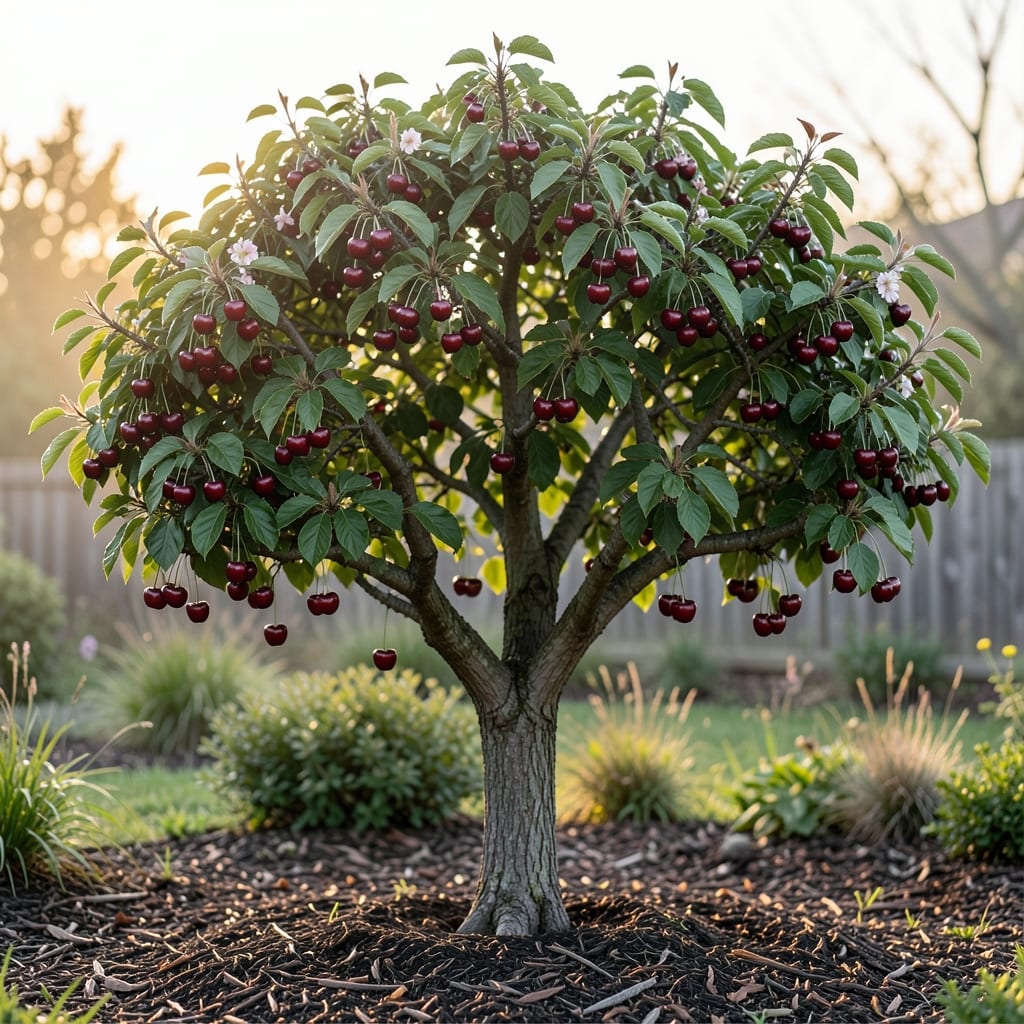
If you're wondering "how tall do Bing cherry trees grow", you're not alone—many gardeners hesitate before planting these fruit-bearing beauties. The classic Bing cherry tree 🍒 can easily reach 15-25 feet at maturity, making it a statement piece in any landscape. But don’t let that intimidate you—with the right approach, you can grow one even in smaller spaces.
The good news is that size isn’t set in stone. While standard Bing cherries tower over most backyard gardens, dwarf varieties stay between 8-12 feet, perfect for urban yards or containers. The key lies in choosing the right rootstock and pruning techniques to control growth without sacrificing fruit production.
Whether you're dreaming of a lush orchard or just a single tree for fresh summer snacks, understanding your Bing cherry’s potential height helps you plan spacing, sunlight, and pruning strategies. Let’s break down how to maximize your space while still enjoying those sweet, juicy cherries every June-July.
From compact varieties to creative training methods, you’ll discover how to grow a Bing cherry tree that fits your yard—no matter how big or small. Ready to get started?


Bing cherry tree height guide: standard varieties and their growth patterns
Understanding how tall Bing cherry trees grow starts with recognizing that these trees are deciduous fruit trees with dramatic growth potential. Standard Bing cherry trees typically mature between 15-25 feet, making them a stunning but space-demanding addition to any landscape. Their rapid growth—about 1-2 feet annually—means they can reach half their mature height in just 5-7 years.
The height of a Bing cherry tree depends on several factors, including rootstock type, pruning practices, and growing conditions. For example, a tree grafted onto a Mahaleb rootstock will stay smaller (around 15-20 feet) compared to one on a Mazzard rootstock, which can exceed 25 feet. Even within the same variety, pruning techniques can significantly influence final height.
When do Bing cherry trees reach full height? Most standard varieties take 8-12 years to mature, though they may start bearing fruit as early as year 4 or 5. Dwarf varieties, however, can reach fruiting size in just 3-5 years while staying under 12 feet. This faster maturity makes them ideal for gardeners with limited space or patience.
Here’s a quick look at how Bing cherry trees grow over time:
| Growth Stage | Height Range | Time to Reach | Key Notes |
|---|---|---|---|
| Year 1 | 1-2 feet | 12 months | Focus on root establishment |
| Year 3 | 6-8 feet | 36 months | Prune to shape; first flowers may appear |
| Year 5 | 10-12 feet | 60 months | Fruit production begins; needs structural pruning |
| Mature (Standard) | 15-25 feet | 8-12 years | Full canopy; requires annual pruning |
| Mature (Dwarf) | 8-12 feet | 5-7 years | Compact growth; ideal for small spaces |
If you’re planning your landscape, consider the spread of a Bing cherry tree, which can reach 15-20 feet wide at maturity. This means you’ll need at least 20 feet of clearance from buildings, fences, or other trees to avoid shading issues or structural damage. Always plant your tree 10-15 feet from structures to allow for proper airflow and sunlight penetration.
Sunlight and soil quality play critical roles in determining how tall your Bing cherry tree grows. These trees thrive in full sun (6-8+ hours daily) and well-draining soil with a pH of 6.0-7.0. Poor soil or insufficient sunlight can stunt growth, while ideal conditions accelerate it. For example, a tree in USDA Zone 6-8 with rich, loamy soil may grow faster than one in a cooler or rocky environment.
Pruning is another game-changer for height control. Regular pruning—not only removes dead or diseased branches but also encourages horizontal growth over vertical. By pruning in late winter or early spring, you can direct energy toward fruit production rather than excessive height. For standard trees, aim to prune 20-30% of the canopy annually to maintain shape and manage size.
Finally, remember that Bing cherry trees are self-pollinating, meaning you only need one tree for fruit production. However, planting a second tree nearby can increase yield by up to 30%. Whether you choose a standard or dwarf variety, understanding these growth patterns ensures your tree thrives—and fits—wherever you plant it.
Space-saving tips: how to grow Bing cherries in small yards or containers
If your yard is on the smaller side, don’t let Bing cherry tree height concerns stop you from growing these delicious fruits. With the right techniques, you can keep your tree under 12 feet while still enjoying a bountiful harvest. The secret lies in dwarf rootstocks, pruning strategies, and even container gardening for urban spaces.
One of the easiest ways to control height is by choosing a dwarf Bing cherry variety grafted onto Mahaleb or Gisela rootstock. These rootstocks naturally restrict growth, keeping trees between 8-12 feet tall while maintaining fruit production. For example, the 'Stella' Bing cherry is a popular dwarf option that thrives in tight spaces without sacrificing flavor or yield.
Espalier training is another creative solution for small yards. By training your tree to grow flat against a fence or wall, you can reduce its footprint by up to 70% while still producing fruit. This method works especially well for standard Bing cherries if you’re willing to invest time in shaping the tree annually. Just ensure the wall or fence receives full sun exposure to support healthy growth.
Dwarf Bing Cherry Trees: Pros and Cons
✅ Pros
- Compact size: Fits in small yards
- Faster fruiting: Produces cherries in 3-5 years
- Easier maintenance: Less pruning required
- Urban-friendly: Works in containers or tight spaces
❌ Cons
- Lower yield: Produces fewer cherries than standard trees
- Shorter lifespan: Typically lives 15-20 years vs. 30+ for standards
- Limited root space: Containers require annual repotting
- Higher initial cost: Dwarf trees cost more than standard varieties
For those with containers or balconies, growing a Bing cherry in a large pot is absolutely possible. Choose a 50-gallon container with drainage holes and fill it with a mix of well-draining soil and compost. Dwarf varieties like 'Compact Stella' thrive in containers, but remember that root-bound trees produce less fruit. Repot every 2-3 years to refresh the soil and encourage growth.
Pruning plays a critical role in height management, especially for standard Bing cherries. Focus on open-center pruning to create a wider, bushier tree rather than a tall, narrow one. Remove suckers and water sprouts regularly to redirect energy toward fruit production. In late winter, prune to remove dead wood and shape the canopy, while summer pruning can control vertical growth by trimming the topmost branches.
Even in small spaces, proper spacing is key. Place your Bing cherry tree at least 6-8 feet from buildings or fences to allow for airflow and future growth. If growing in a container, ensure the pot is stable and large enough to support the tree’s weight as it matures. With these space-saving techniques, you can enjoy fresh Bing cherries without sacrificing your garden’s layout.