
Trees
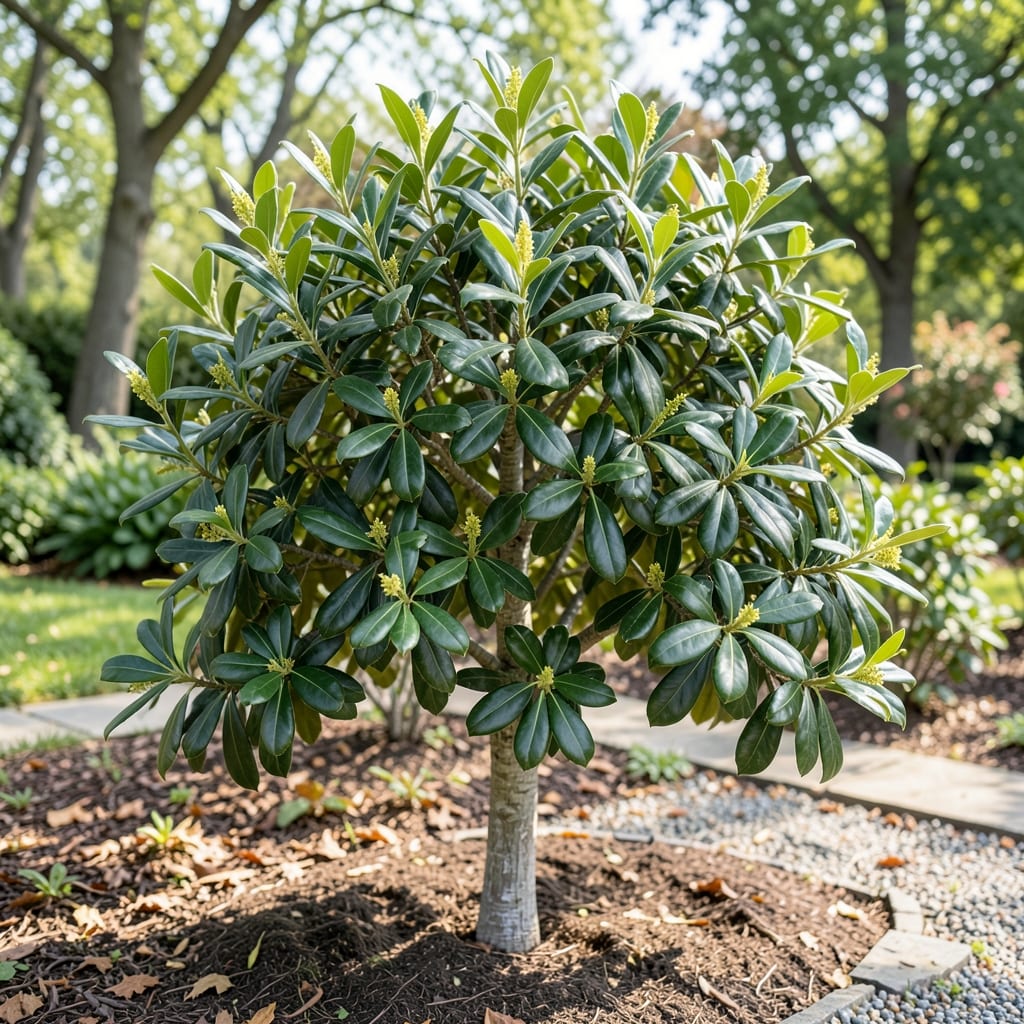
If you're wondering how tall do bay leaf trees grow, the answer might surprise you—these fragrant 🌿 beauties can reach anywhere from 15 to 40 feet at maturity, depending on the variety and growing conditions. That means your once-small potted plant could one day tower over your backyard fence or even your house!
But here’s the good news: with the right care, you can keep a bay tree at a manageable height. Whether you’re working with a dwarf variety like 'Tiny Tim' or simply pruning regularly, this versatile tree adapts beautifully to containers, small gardens, or larger landscapes. The key is understanding its growth habits and how to guide them.
In this guide, I’ll break down everything you need to know—from the fastest-growing varieties to how climate and pruning affect height. You’ll learn whether a bay tree is right for your space and how to maintain it at your ideal size, whether that’s a 6-foot shrub or a full-sized tree.
Ready to grow a bay tree that fits your vision? Let’s dive into the details so you can enjoy its lush foliage and culinary benefits without the space worries.


Bay tree mature heights by popular variety: sweet vs. california vs. purple
When choosing a bay tree, knowing the mature height of each variety helps you decide whether it’s right for your garden. The most common types—Sweet Bay, California Bay, and Purple Bay—grow at dramatically different rates and sizes, so let’s compare them side by side.
The Sweet Bay Laurel (Laurus nobilis), the classic culinary variety, typically reaches 15 to 40 feet tall in ideal conditions. This is the variety you’ll find in most grocery stores and Mediterranean gardens, prized for its aromatic leaves. Meanwhile, the California Bay (Umbellularia californica) grows even taller, often exceeding 50 feet in its native habitat.
If you’re short on space, the Purple Bay (Laurus nobilis 'Aurea' or 'Angustifolia') is a stunning alternative, though it still reaches 10 to 20 feet if left unpruned. These varieties aren’t just about height—their growth habits and spread also impact how they fit into your landscape.
Here’s how they stack up in terms of mature height, spread, and ideal spacing for a balanced garden:
| Variety | Mature Height | Spread | Growth Rate | Ideal Spacing |
|---|---|---|---|---|
| Sweet Bay (Laurus nobilis) | 15–40 ft | 10–15 ft | Moderate (1–2 ft/year) | 15–20 ft from structures |
| California Bay (Umbellularia californica) | 30–50+ ft | 20–30 ft | Fast (2–3 ft/year) | 30+ ft for full growth |
| Purple Bay (Laurus nobilis 'Angustifolia') | 10–20 ft | 6–10 ft | Slow to moderate | 10–15 ft for compact look |
The Sweet Bay is the most versatile for home gardens, balancing height and manageability. If you’re in a coastal climate, the California Bay might thrive but requires more space. For smaller gardens or containers, the Purple Bay offers a compact, ornamental option with striking foliage.
Pro tip: If you’re growing a Sweet Bay in a container, expect it to stay under 6 feet with regular pruning. However, in-ground plants will naturally reach their full height unless pruned aggressively. Always account for the spread too—bay trees develop wide canopies that need room to breathe.
For example, planting a Sweet Bay near a 6-foot fence will eventually create shade and block views unless you prune it annually. Meanwhile, a Purple Bay can fit neatly beside a patio if given enough sunlight and pruned back in early spring.
Understanding these dimensions helps you visualize how bay trees will look in your space. Whether you’re aiming for a tall privacy screen or a small shrub for pots, choosing the right variety is the first step to success.
Next, let’s explore how climate and soil conditions can accelerate or slow down a bay tree’s growth—and how to adjust your care routine accordingly.
How climate and soil affect bay tree growth height
Your bay tree’s final height isn’t set in stone—it’s heavily influenced by climate and soil conditions. In warmer, frost-free zones like USDA 8-10, bay trees thrive and can reach their full 30-40 foot potential. But in cooler climates (like USDA 6-7), growth slows, often capping at 15-25 feet unless you protect it from winter chill.
Soil drainage is another game-changer. Bay trees despise soggy roots—poor drainage stunts growth and invites root rot. Amend heavy clay with compost or sand to keep roots happy and encourage steady upward growth. In contrast, well-draining loam fuels faster height gains, especially in full sun conditions.
🌱
Sunlight exposure also plays a role. While bay trees tolerate partial shade, they grow 30% taller in full sun (6+ hours daily). However, in scorching climates (like USDA 9-10), afternoon shade prevents leaf scorch, which can slow height gains. Balance sun and shade based on your local microclimate.
Pruning isn’t just for shaping—it’s a growth regulator. Heavy pruning in early spring can reduce height by 20-30% if done annually. For example, to keep a bay tree under 10 feet, prune new growth by 1/3 each spring. Without pruning, even dwarf varieties like 'Tiny Tim' may outgrow containers in 3-5 years.
Finally, wind exposure matters. Sheltered bay trees grow straighter and taller, while windy sites encourage bushier, shorter growth. If your yard is breezy, stake young trees to prevent stunted or leaning growth—this ensures they reach their genetic height potential.
By tweaking these factors, you can control your bay tree’s height—whether you want a towering specimen or a compact shrub. The key is consistency: monitor soil moisture, prune strategically, and adjust sunlight as seasons change. 🪴