
Size
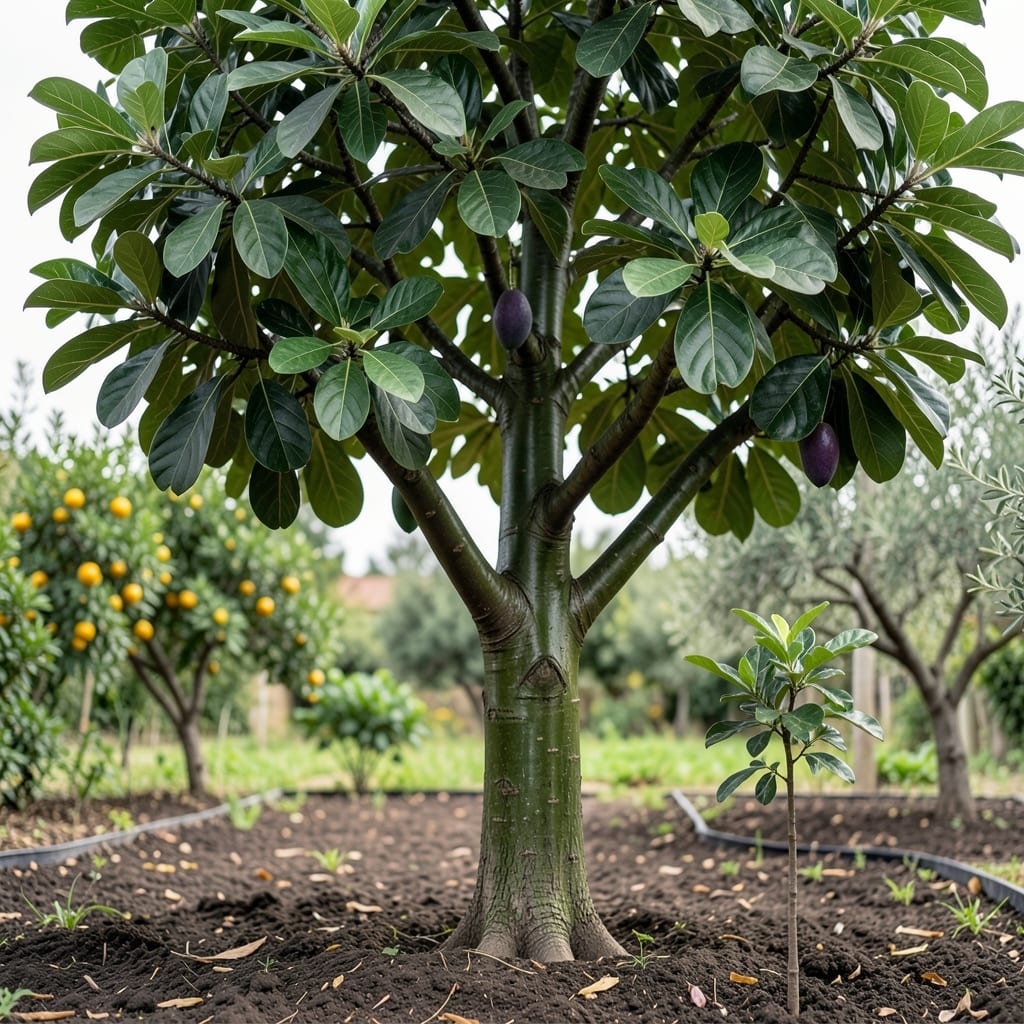
If you're dreaming of growing your own avocado tree, you might be surprised by just how tall these tropical giants can grow—some varieties reach over 80 feet while others stay manageable for backyard spaces. The 🥑 avocado tree's height depends on its variety, growing conditions, and whether you're growing it in a pot or the ground.
Understanding these factors is key to planning your garden or choosing the right variety for your space. Whether you're in a warm climate like California or a cooler zone like Florida, knowing how tall your avocado tree could become helps you prepare for its long-term care and space needs.
For those with limited space, dwarf varieties offer a great solution, staying between 16 to 20 feet tall. But even standard varieties can be managed with proper pruning techniques, making it possible to enjoy fresh avocados without sacrificing your garden layout.
Let’s dive into the specifics—from the tallest varieties to practical tips for controlling height—so you can grow the perfect avocado tree for your home. You’ll learn how to balance growth with space, ensuring your tree thrives without taking over your yard.


Mature height ranges of popular avocado tree varieties
Avocado trees are famous for their impressive height, but the exact size depends heavily on the variety you choose. Some can grow taller than a three-story building, while others remain manageable for home gardens. The Hass avocado, one of the most popular varieties, typically reaches 30 to 40 feet at maturity, making it a mid-sized option for larger yards.
If you're limited on space, consider dwarf varieties like the Mexican avocado or Reed avocado, which max out around 16 to 20 feet. These compact trees are perfect for containers or small backyards, offering the same delicious fruit without the towering height.
Other common varieties like Fuerte and Bacon can grow between 25 to 35 feet, striking a balance between manageable size and robust fruit production. Understanding these differences helps you select the right tree for your space and climate.
Pruning plays a crucial role in managing height, even for standard varieties. Regular pruning can reduce growth by 20 to 30%, making it easier to keep your tree within desired limits while maintaining healthy fruit production.
For those in USDA zones 8-11, where avocados thrive, choosing the right variety ensures your tree not only fits your space but also adapts well to local conditions. Let’s explore how different varieties compare in terms of height and growth habits.
| Variety | Mature Height (ft) | Growth Habit | Best For |
|---|---|---|---|
| Hass | 30-40 ft | Standard | Large yards, full sun |
| Fuerte | 25-35 ft | Semi-dwarf | Medium spaces, containers |
| Bacon | 30-40 ft | Standard | Warm climates, large gardens |
| Reed | 16-20 ft | Dwarf | Containers, small yards |
| Mexican (e.g., Lula) | 15-25 ft | Dwarf | Cold tolerance, small spaces |
When selecting a variety, consider not just height but also fruit production and climate adaptability. For example, the Hass is cold-hardy but grows tall, while the Mexican varieties are more compact and tolerate cooler temperatures better.
If you’re growing avocados in containers, dwarf varieties like Reed or Mexican types are ideal. These trees can thrive in large pots, making them perfect for patios or balconies, provided they get enough sunlight and proper care.
Pruning young trees early can also shape their growth, reducing height by up to 50% if done consistently. This is especially useful for standard varieties like Hass or Bacon, which can become unmanageable without intervention.
For those with limited space, combining dwarf varieties with regular pruning ensures your avocado tree stays within bounds while still producing abundant fruit. The key is balancing growth with your garden’s layout and your willingness to maintain the tree’s size over time.
Climate zones and how they affect avocado tree growth height
Your avocado tree's height isn't just about the variety—your climate zone plays a huge role too. Avocados thrive in USDA zones 8-11, where warm temperatures and frost-free winters create ideal growing conditions. In these zones, standard varieties like Hass can reach their full 30-40 foot potential, while cooler microclimates may stunt growth or require extra care.
In zone 10-11, where temperatures rarely drop below 30°F, avocado trees grow most vigorously, reaching their maximum height potential. However, in zone 8, where occasional light frosts occur, trees may grow more slowly and stay slightly shorter unless protected. Understanding these climate impacts helps you set realistic expectations for your tree's size.
Wind exposure also affects height—strong coastal winds can stunt vertical growth by 10-20% while encouraging bushier, wider canopies. In sheltered inland areas, trees grow taller and straighter. Soil quality matters too: Well-draining, slightly acidic soil (pH 6.0-7.0) promotes healthier root systems, supporting taller growth compared to poor or compacted soils.
| Climate Zone | Avg. Mature Height | Growth Impact | Key Considerations |
|---|---|---|---|
| Zone 8 | 20-30 ft | Slower growth | Frost protection needed |
| Zone 9 | 25-35 ft | Moderate growth | Wind exposure matters |
| Zone 10 | 30-40 ft | Optimal growth | Full sun required |
| Zone 11 | 35-50 ft | Rapid growth | Heat tolerance needed |
In cooler microclimates within these zones, avocado trees may grow more slowly but produce hardier fruit. For example, trees in Southern California's coastal areas often stay shorter due to salty winds, while those in inland valleys grow taller with more direct sunlight. This variation means you might see 10-15 foot differences in height between neighboring trees of the same variety.
Soil drainage is another critical factor—poorly draining soils can stunt root development, limiting a tree's ability to reach its full height potential. Amending soil with compost or sand improves drainage, helping trees grow taller and stronger. In container gardens, using well-draining potting mixes prevents root rot, allowing dwarf varieties to reach their maximum compact height.
For gardeners in USDA zone 8, choosing cold-hardy varieties like Mexican types helps offset slower growth. These varieties naturally stay shorter while still producing fruit in cooler conditions. Meanwhile, in zone 11, where heat is the main concern, regular pruning becomes essential to manage rapid vertical growth while maintaining a manageable canopy.